A dream turned into a concrete project
Since the pandemic, Moroccans' relationship with urban life has changed. Remote work, urban fatigue, and soaring living costs are pushing part of the population to dream of a different setting.
In the regions ofChefchaouen, Essaouira, Ifrane, or Benslimane, there has been a noticeable increase in the purchase of small rural houses or agricultural land.
For many, it is no longer just a weekend retreat, but asustainable life project..
"In Casablanca, everything is expensive and noisy. Here, I have a vegetable garden, time, and clean air," says Rachid, 38, who recently moved near Azrou.
The motivations for a return to one's roots
-
A more affordable cost of living
Housing prices remain significantly lower than in large cities. Even on a medium salary, it becomes possible to own land or a house. -
A quest for calm and meaning
After successive lockdowns, mental health and well-being have become priorities. The countryside represents a balance that the city can no longer provide. -
Autonomy and ecology
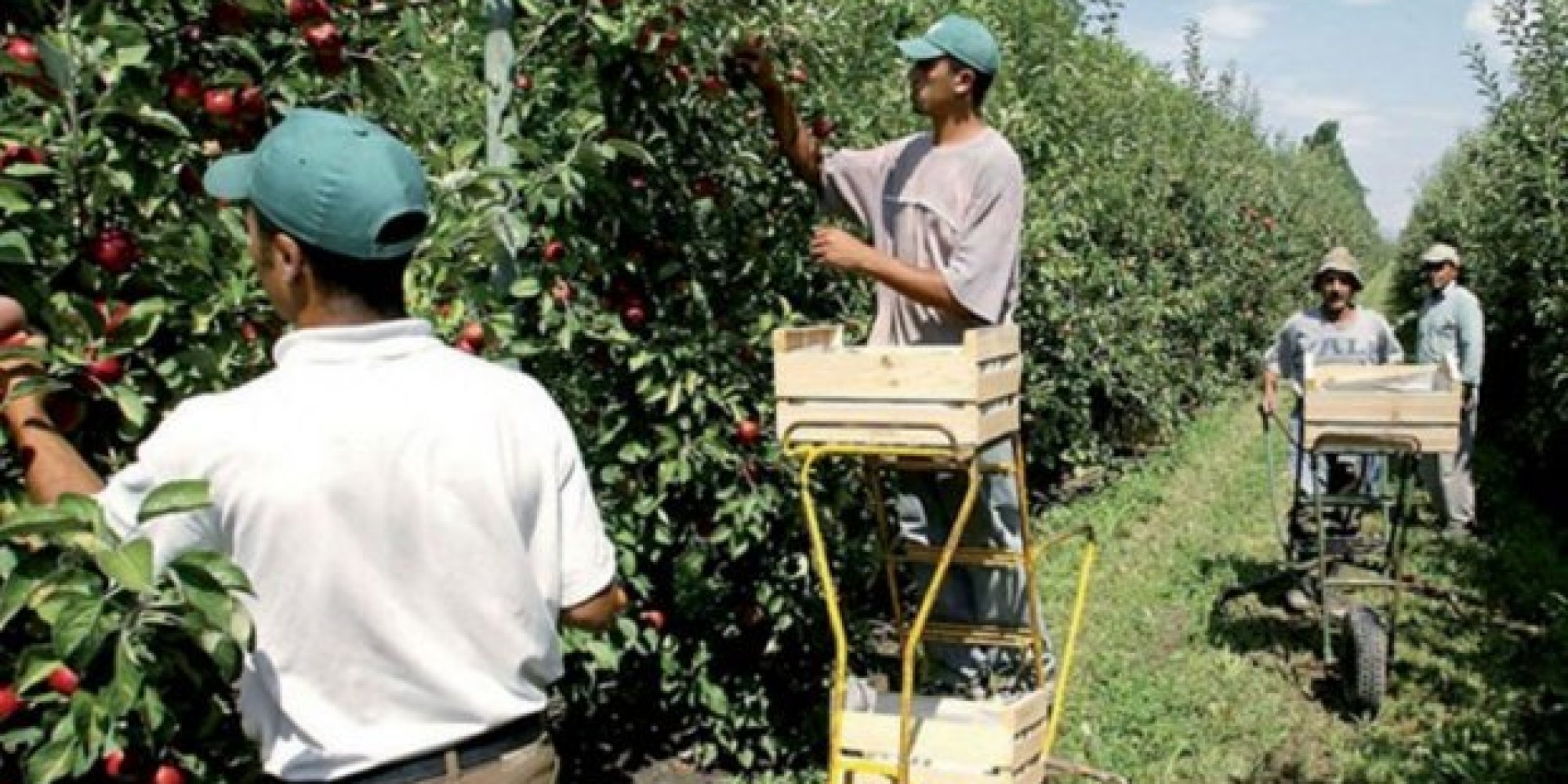
Cultivating, producing, and consuming locally: the 'slow life' trend is now impacting Moroccans as well. Some even aim for partial food self-sufficiency.
A rural Morocco in full transformation
Rural Morocco in 2025 is not what it was yesterday. Access tofiber optic, onlinetrainingande-commerce deliveryis reducing the isolation of rural areas.
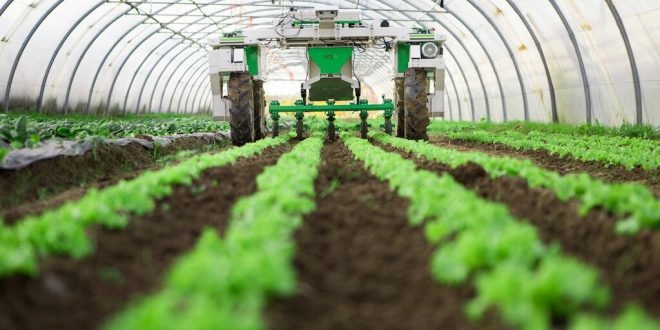
Emerging initiatives include:coworking spaces in Ifrane and Taliouine, greentourism programs, andsmart farmsutilizing AI to manage irrigation.
However, this boom also brings challenges:
-
rising land prices, particularly near tourist cities,
-
the risk of real estate speculation,
-
andpersistent inequalitiesbetween connected and isolated rural areas.
Towards a new urban/rural balance in Morocco
While migration to the countryside remains marginal on a national scale, it reflects a profound shift in mentality.
The model of the 'urban Moroccan at all costs' is losing its allure in the face of a youth seeking meaning, fresh air, and time.
The coming years will reveal whether this desire for authenticity will lead to a true territorial revolution.
Sources: HCP, MAP, Chronexium 2025 Survey, Maroc Vert 2030