In the ancient medinas, synagogues stand beside mosques, and churches rise just steps away from the souks. For generations, Morocco has embodied the image of a country where diversity and mutual respectcombine naturally. But behind this reputation for tolerance, what is the reality of coexistence today?
A Deeply Rooted Historical Heritage
Morocco has always been a land of welcome and coexistence. Since the Middle Ages, Muslims, Jews, and Christians have contributed together to the cultural flourishing of the country. Cities like Fes, Essaouira, and Marrakech were symbols of this plural balance.
Under the reign of King Mohammed V, Morocco marked its commitment to this tradition: he refused to hand over Moroccan Jews to the Vichy regime during World War II, a gesture still praised today as an act of courage and humanity.
Coexistence Enshrined in the Constitution
The 2011 Constitution affirms Moroccan diversity as a treasure.
Article one proclaims national unity based on "the convergence of its Arab-Islamic, Amazigh, and Saharan-Hassani components, nourished and enriched by its African, Andalusian, Hebrew, and Mediterranean currents."
This official recognition makes Morocco one of the few countries in the Arab world to institutionalize cultural and religious plurality..
Living Symbols of Moroccan Pluralism
Many projects reinforce this vision:
-
The renovation of synagogues and Jewish cemeteries in several cities of the Kingdom;
-
The establishment of the Museum of Moroccan Judaism in Casablanca, unique in Africa;
-
The organization of interreligious and cultural festivals (like the Festival of Sacred Music of Fes) celebrating the dialogue of civilizations.
These initiatives testify to a concrete coexistence, far from mere diplomatic discourse.
Contemporary Challenges to Address
Yet, this harmony is not without challenges.
Globalization, social inequalities, and the influence of imported ideologies can weaken this model.
Younger generations, sometimes more exposed to radical discourses on social media, must be supported in the transmission of values of tolerance and openness..
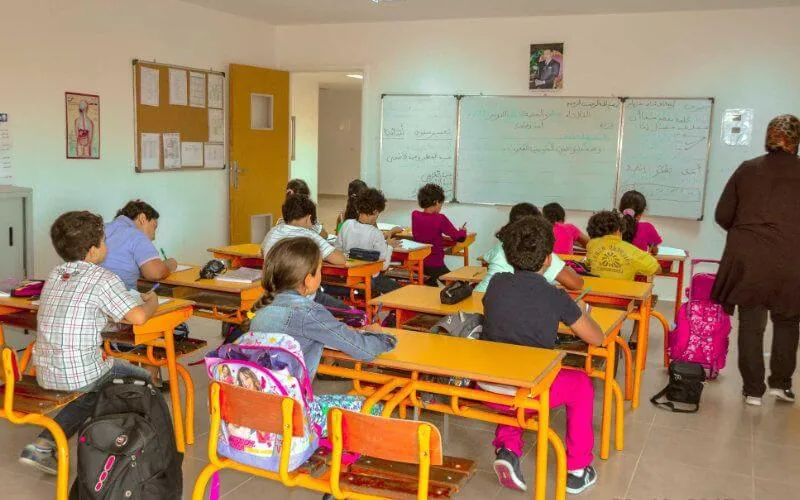
Moroccan NGOs are already working in this area, organizing intercultural workshops, school debates, and social cohesion projects.
Tolerance Experienced, Not Imposed
Morocco's strength lies in the fact that its tolerance is not a state slogan, but a reality lived daily.
Imams, priests, and rabbis regularly engage in an atmosphere of respect. In popular neighborhoods, solidarity transcends religious or ethnic affiliations.
This simplicity of coexistence, often invisible to the world, is one of the Kingdom's greatest riches.
Conclusion: A Model to Preserve
If Morocco remains an exception in a world marked by identity fractures, it is due to a constant royal vision, that of an open, spiritual, and peaceful country.
Preserving this model requires vigilance and education, as well as pride.
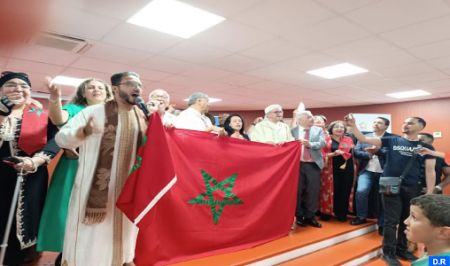
"Our identity is multiple, but our heart is one," reminded a professor from Fes during a forum on interreligious dialogue.
Moroccan coexistence is not a myth: it is a promise kept, and a living heritage to be passed on.