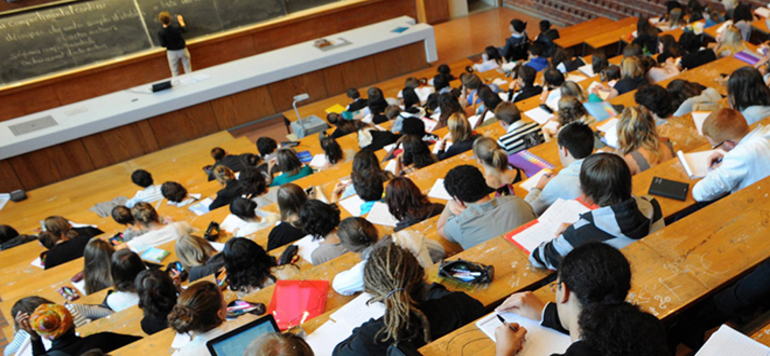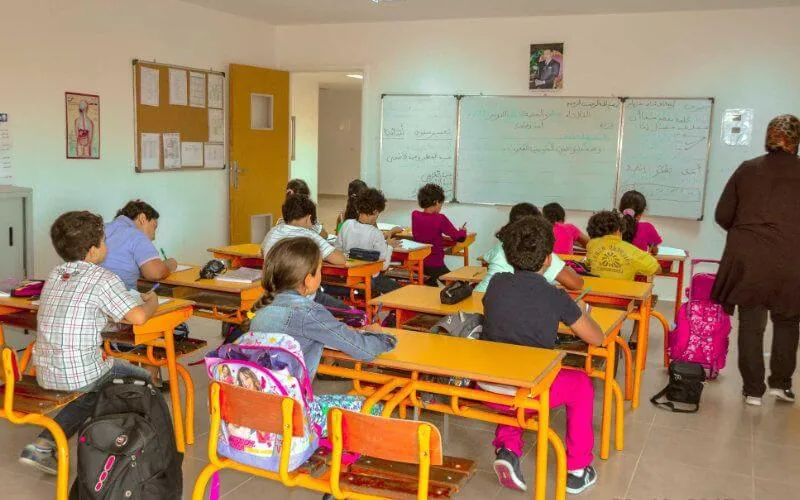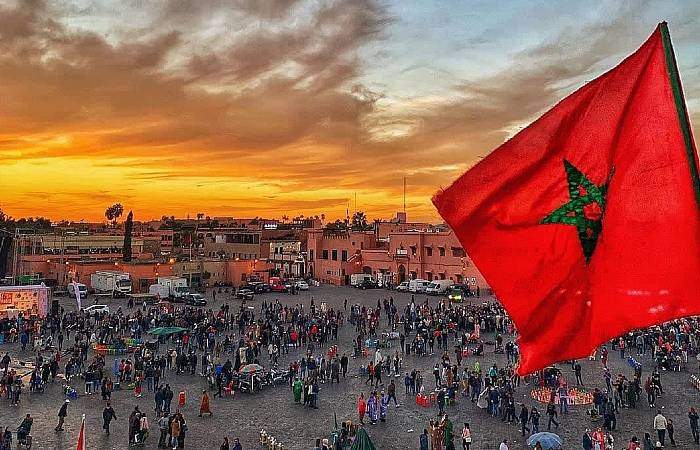
In the alleys of Fes as well as on the beaches of Agadir, in the villages of the Atlas Mountains as well as in the modern neighborhoods of Casablanca, differences intersect and intertwine without apparent friction.
Morocco has always claimed its plural identity —Arab, Amazigh, African, Andalusian, and Mediterranean— as a strength.
This cultural harmony is enshrined in the 2011 Constitution, which recognizes the linguistic and spiritual diversity of the kingdom.
But as society transforms, the question arises:Is Moroccan coexistence a solid strength or a fragile promise?
1. A History of Millennia of Coexistence
Morocco did not wait for the 21st century to invent coexistence.
For centuries, Jews, Muslims, and Christians have shared living spaces, commerce, and faith.
The Mellahs, historical Jewish quarters, remind us of a time when religious plurality was part of everyday life.
Under successive dynasties, coexistence was not always perfect, but it often rested on apragmatic balance between tolerance and mutual respect.
Even today, Morocco remains the only country in the Arab world to maintain an institutional link with its Jewish community, preserving its synagogues and restoring its cemeteries.
These symbols are not merely nostalgic; they reflect apolitical will for historical continuity.
2. Living Diversity but Unequally Valued
Modern Moroccan identity is alinguistic and cultural mosaic: Darija, Amazigh, classical Arabic, French, Spanish…
This wealth, far from being an obstacle, constitutes an invaluable cultural capital.
However, in daily reality, inequalities persist.
Certain languages or identities are more valued in economic and media spheres, while others remain marginalized.
The gradual introduction of the Amazigh language in administration and education, initiated in 2019, marks a significant advance.
However, its implementation remains slow due to a lack of resources and teacher training.
The true challenge of linguistic coexistence is toallow coexistence without hierarchy, respecting Moroccan plurality.
3. New Challenges of Coexistence in the Digital Age
The advent of social networks and online debate has redefined how Moroccans interact with each other.
Platforms have become spaces for democratic expression but also sites of identity tensions.
Controversies surrounding religion, feminism, or freedom of expression sometimes divide a society in full transformation.
Digital anonymity and the virality of information amplify these fractures.
What would be resolved in the street through dialogue or compromise often turns into virtual confrontation.
However, these debates also reflecta new civic vitality, where the youth assert their opinions and question norms.
Coexistence is not disappearing; it isreforming itself in a noisier but also freer space.
4. City and Countryside: Two Social Visions of Community
Morocco still experiences a marked gap between urban and rural areas, both economically and culturally.
In large cities, coexistence is lived daily — at work, in schools, in public spaces — but often more inindifference than in true integration.
In the countryside, community ties remain strong, based on solidarity and proximity, but sometimes at the expense of openness to difference.
Internal migrations and rapid urbanization are disrupting these balances.
They create tensions surrounding housing, employment, and collective identity.
The challenge for Morocco of tomorrow will be tobridge these two worlds— the tradition of rural social ties and the growing individualism of cities.
5. Religion and Tolerance: A Unique Moroccan Model
Moroccan Islam, historically rooted in the Maliki rite and Sufism, advocates abalance between faith, openness, and moderation.
This religious model, supported by the Commander of the Faithful, fosters a spiritual framework conducive to coexistence.
Religious minorities find a space of relative freedom, recognized and protected by the state.
Interfaith dialogue,supported by institutions such as the Higher Council of Ulemas or the Mohammed VI Foundation of African Ulemas, fits this narrative.These initiatives are not just symbolic: they participate in the cultural diplomacy of the kingdom and enhance Morocco's image as moderate and open.
However, institutional tolerance must also take root in mentalities, through education, media, and popular culture.
6. Moroccan Youth: Between Attachment and Aspiration for Change
The younger generation experiences coexistence differently.
Connected to the world and exposed to new cultural models, they are often more socially tolerant but also more critical of inherited taboos.
For many young Moroccans, diversity is no longer a slogan but
a daily reality: a diversity of opinions, lifestyles, origins, and references.However, unemployment, social malaise, and the housing crisis weaken cohesion.
A solid coexistence requires economic and social perspectives.
Without social justice, tolerance remains theoretical.
7. Education, Culture, and Media: The Levers of the Future
Strengthening the culture of coexistence begins first with
civic and cultural educationSchool programs are gradually integrating the values of respect, citizenship, and diversity..
But schools cannot do it all: culture, literature, cinema, and media must echo these values.
Morocco is teeming with artists, filmmakers, and thinkers who celebrate the country's plurality.
Films like
Ali ZaouaHaut et fort, orAdamaddress social fractures with humanity and nuance.These works contribute to
shaping a more inclusive collective consciousness, where difference is not a threat but a strength.Conclusion
Moroccan coexistence is neither a fixed myth nor a definitive achievement: it is
an ongoing projectIt rests on a history of tolerance, a plural identity, and a firm political will, but it must adapt to a rapidly changing world..
Between memory and modernity, tradition and openness, Morocco has a solid foundation — provided it continues to nurture it through education, dialogue, and social justice.
The challenge is not to preserve an image, but to
make coexistence a lived reality for all, across all regions and generations.Sources:.
Constitution of the Kingdom of Morocco, 2011
-
Ministry of Culture – Report on Cultural Diversity 2024
-
HCP – National Survey on Values and Social Cohesion
-
CNDP – Living Together and Social Networks in Morocco
-
UNESCO – Pluralism and Intercultural Dialogue in the Maghreb
-
.