As 2026 approaches, the Moroccan tourism sector confirms the trends observed throughout 2025. The keyword "Morocco tourism destinations 2025" remains one of the most searched on Google, indicating that the country continues to attract Moroccan and foreign travelers seeking authentic experiences, adventure, and nature. Morocco is no longer just selling landscapes: it offers emotions, immersion, and an accessible promise of escape.
The Reliable Must-Sees: Marrakech, Agadir, Dakhla
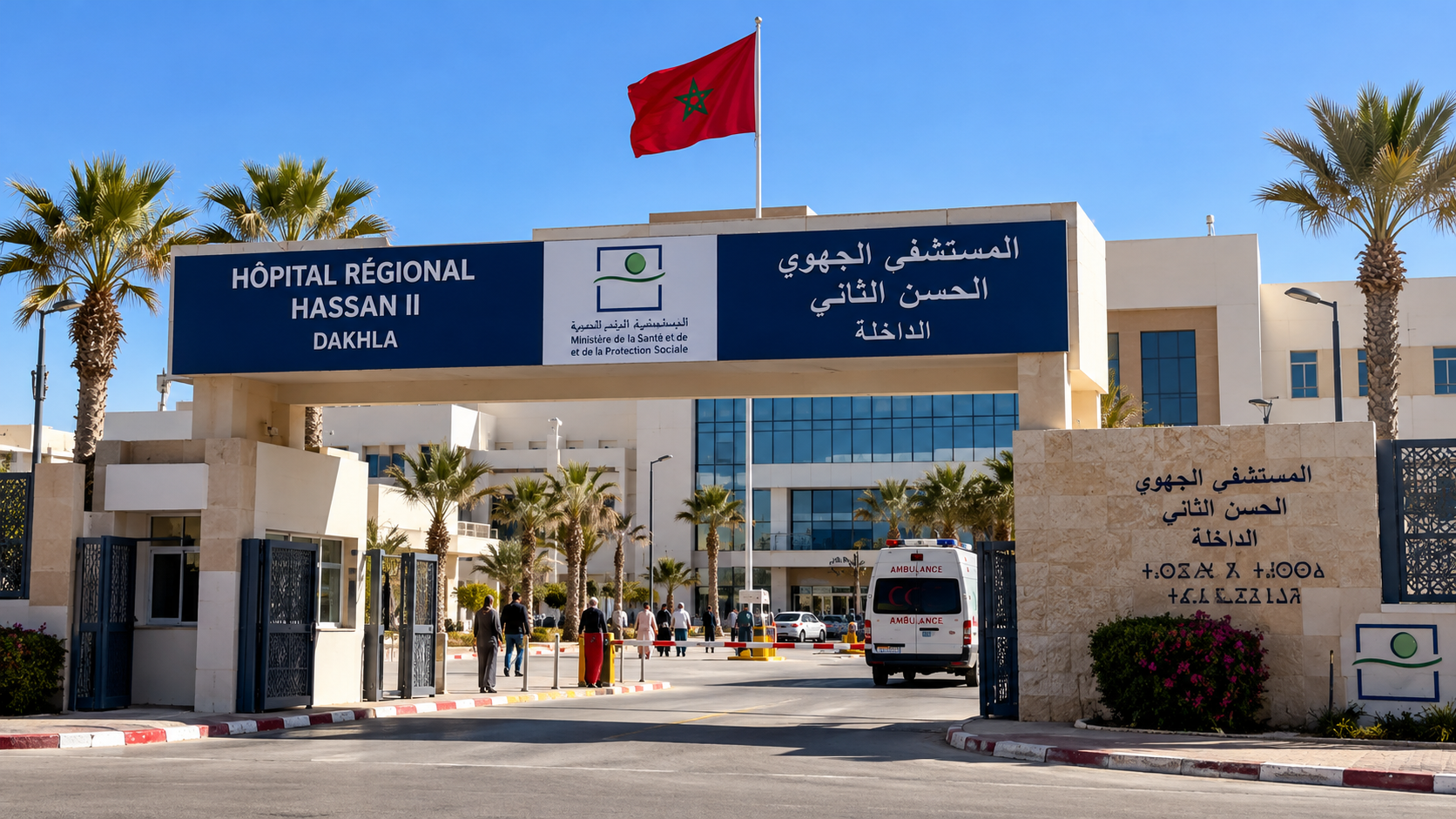
These three cities continue to be the driving forces of national tourism. Marrakech retains its status as the cultural and event capital, Agadir remains the top seaside choice, and Dakhla, now a symbol of sports tourism, attracts kite surfers and fans of desert landscapes. The novelty in 2025? Visitors no longer confine themselves to a single city. They now combine several stops: Marrakech–Essaouira, Agadir–Tiznit, or Dakhla–Laâyoune, for richer and more varied circuits.
The New Stars of Moroccan Tourism
2025 witnessed the emergence of true surprises. Chefchaouen, already prominent on social media, confirms its international renown. The blue city attracts a young clientele sensitive to ecotourism and photography. Further north, Asilah and Larache benefit from a renewed interest due to their tranquil beaches and cultural offerings.
In the Atlas Mountains, the Imlil and Bougmez valleys are becoming popular retreats for mountain enthusiasts, hikers, and those seeking disconnection. These areas, long marginalized, embody a vision of sustainable tourism in Morocco that respects local communities.
Experiential Travel, Not Just Relaxation
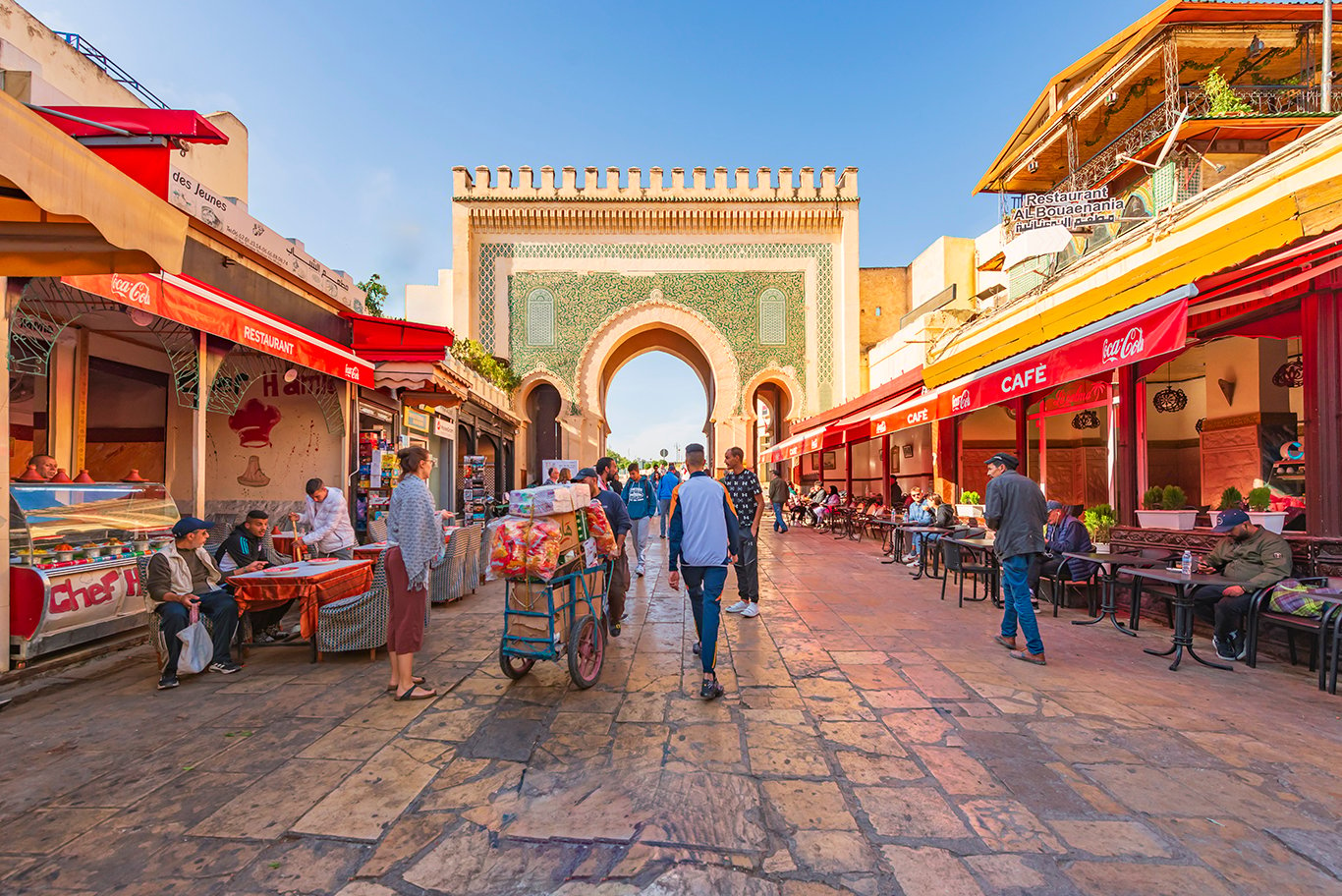
Moroccan tourism is changing its nature. Purely beach vacations are declining in favor of thematic experiences: surfing in Imsouane, cooking workshops in Fes, yoga retreats in the desert, and cultural tours in Tetouan or Meknes. This shift towards experience enhances the country's added value while attracting a more diverse and loyal clientele. Tourists are now looking for human contact, discovering local know-how, and exploring off-the-beaten-path itineraries.
Mature Domestic Tourism
The Moroccan traveler plays a central role in this evolution. More informed and more connected, they plan their getaways online, compare prices, and prefer locally managed accommodations. Short trips are gaining popularity, especially in coastal cities accessible by highway or high-speed train. This internal dynamic has helped maintain strong activity throughout 2025, even during international tourism downtimes.
Towards 2026: Sustainability and Digitalization
Predictions for 2026 confirm two major trends: the rise of sustainable tourism and the complete digitalization of the travel experience. Online bookings, local comparison tools, and rating platforms now play a crucial role in destination selection. Meanwhile, the state and regions are investing more in promoting eco-responsible tourism: green circuits, certified accommodations, and environmental awareness programs.
Conclusion: A More Diverse, Sustainable, and Connected Morocco
Morocco enters 2026 with a profoundly redrawn tourism map. Behind the prominent names that continue to shine, new territories are gaining recognition and visibility. The success of Moroccan tourism will rely on its ability to balance growth, heritage respect, and sustainable development.
Searching for "Morocco tourism destinations 2025" on Google today is already a question about what Morocco will be tomorrow: a country with multiple faces, open to the world, and more than ever proud of its roots.
FAQ — Morocco Tourism 2025-2026
1. What are the most visited destinations in Morocco in 2025?
In 2025, Marrakech, Agadir, and Dakhla remain the most visited cities in Morocco. They attract both Moroccan tourists and international travelers. Tangier, Essaouira, and Chefchaouen also confirm their popularity due to their more authentic experiences and varied offerings.
2. What new Moroccan destinations are rising in 2026?
Trends for 2026 indicate a rise in tourism in the Middle Atlas, the Rif, and the northern Atlantic coasts. Cities like Asilah, Larache, Ifrane, and Bougmez are increasingly appealing to visitors seeking tranquility, nature, and disconnection.
3. Has tourism in Morocco become more sustainable?
Yes. Since 2024, Morocco has strengthened its sustainable tourism strategy: eco-responsible accommodations, green circuits, promotion of local products, and protection of natural heritage. Many regions are now focusing on balanced tourism that respects the environment and local communities.
4. What budget should one expect for a stay in Morocco in 2025-2026?
It depends on the region and the type of stay. On average, a short stay of 3 days costs between 2,500 and 4,000 MAD per person, including accommodation. Rural and coastal areas are more affordable than Marrakech or Dakhla. For luxury circuits or exclusive experiences, the budget can exceed 10,000 MAD.
5. Is domestic tourism in Morocco continuing to grow?
Yes, local demand is growing significantly. More and more Moroccans are choosing to explore their country on weekends or during holidays, thus supporting regional economies and diversifying the tourism offer.