Dakhla faces the resurgence of a long-forgotten disease
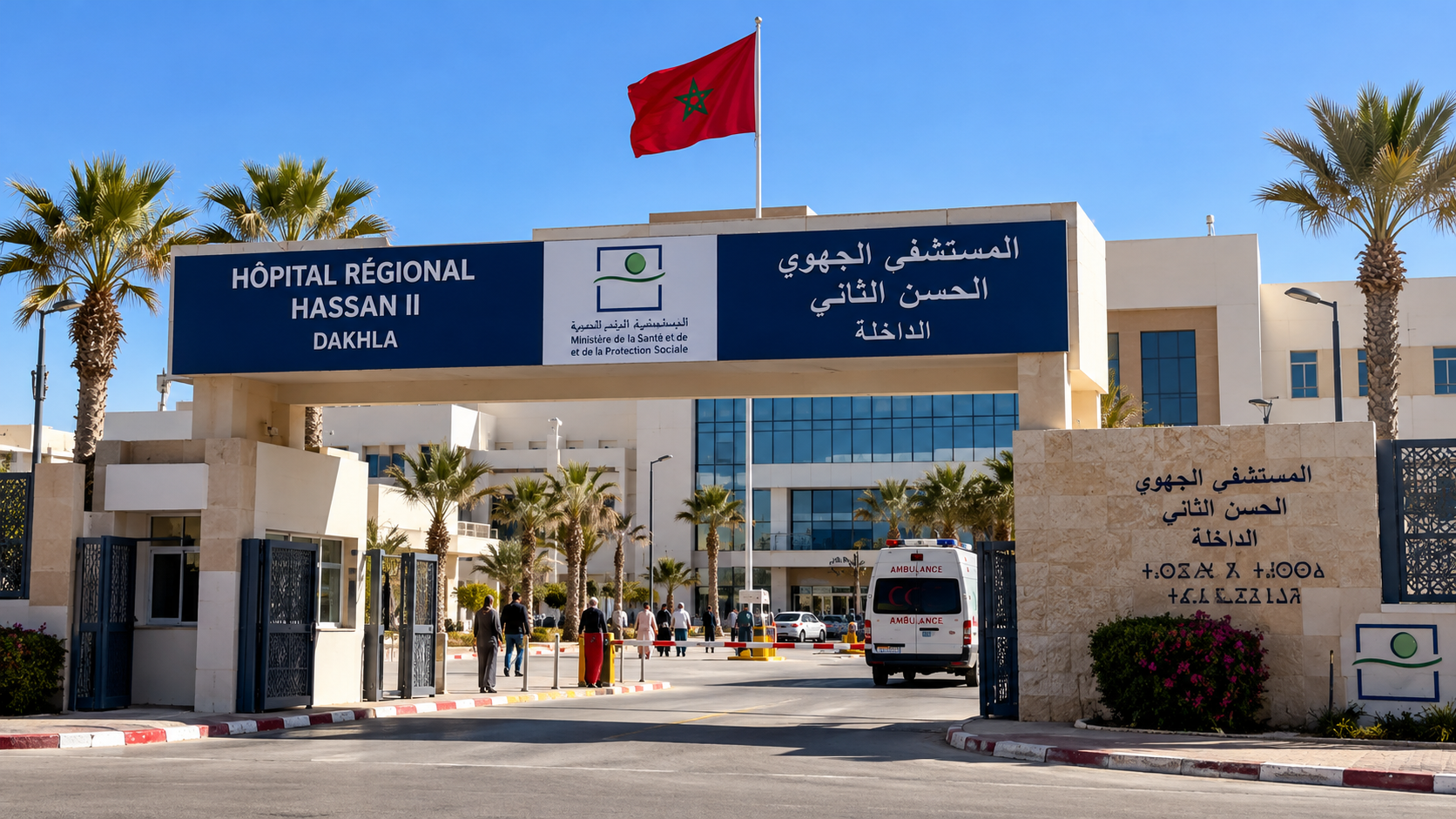
The city of Dakhla, in southern Morocco, is now at the center of a new health alert. Several cases of diphtheria, a potentially deadly bacterial infectious disease, have been reported since October 16, 2026, prompting mobilization of medical teams from Hassan II Regional Hospital.
According to reports from several local media outlets, two girls from the same family have been affected by the disease. On Monday, October 19, one of them reportedly died after four days of medical care, while her sister is continuing treatment in a stable condition.
These findings, coming from hospital sources cited by the press, had not, however, been officially confirmed in the reviewed reports.
The situation raises additional questions as other local publications have mentioned up to five infected individuals, some of whom have been placed in isolation. This number remains to be officially confirmed.
A concerning resurgence on a national scale
The Dakhla alert is part of a broader health context. After several decades without recorded cases, according to the data presented by the authorities, diphtheria has reappeared in Morocco in 2026.
The first outbreaks were notably identified in the Souss-Massa region, in Agadir Ida-Outanane and Chtouka Aït Baha, where several children have been affected.
On October 14, the Ministry of Health and Social Protection reported 15 confirmed cases of diphtheria nationwide, while stating that the epidemiological situation remained controlled. This is an outdated report prior to the Dakhla notifications, not an updated total as of October 22.
These developments remind us that a once-rare disease can reemerge when people remain insufficiently protected, particularly due to incomplete vaccinations.
What is diphtheria and why is it dangerous?
Diphtheria is a bacterial infection primarily caused by Corynebacterium diphtheriae. It usually affects the upper respiratory tract and is transmitted through respiratory droplets during close contact.
The initial symptoms can resemble those of a common upper respiratory infection: fever, fatigue, sore throat, and difficulty swallowing.
In severe cases, a thick membrane can form in the throat, obstructing breathing. The toxin produced by certain bacterial strains can also damage the heart and nervous system.
Without prompt treatment, complications can be fatal. The disease requires urgent medical care, including antitoxin when indicated and antibiotics.
Isolation of infected individuals: a protective measure, not a sign of an epidemic
The isolation of a person infected or suspected of diphtheria primarily aims to limit the risk of transmission.
Health protocols also include identifying individuals who have had close contact with the patient, assessing their medical status, and, depending on the situation, providing antibiotic prophylaxis and checking their vaccination status.
The reported cases in Dakhla are therefore not sufficient by themselves to establish the existence of a widespread epidemic in the city or in the Kingdom.
However, they warrant heightened vigilance and regular information to the public about the actual risks.
Vaccination, the first line of defense against the disease
The return of diphtheria brings the question of vaccination coverage to the forefront.
In Morocco, vaccination against diphtheria is part of the National Immunization Program. The Ministry of Health has emphasized the importance of adhering to children's vaccination schedules and completing any missing doses.
Protection relies not only on initial vaccination but also on adhering to recommended boosters.
Families are encouraged to check their children's vaccination records with healthcare professionals. In case of suggestive symptoms, especially after contact with an infected person, prompt medical consultation is essential.
Dakhla: the need for transparent health communication
Beyond the human tragedy reported by local media, the situation in Dakhla raises an essential question: how to reassure citizens while ensuring comprehensive information about the circulation of an infectious disease?
Regular publication of official data on confirmed cases, any deaths, individuals being monitored, and preventive measures would help reduce uncertainties.
Transparency does not mean dramatizing the situation. On the contrary, it prevents rumors, promotes early detection, and strengthens trust in health authorities.
Morocco has a national vaccination program and an epidemiological surveillance system. The challenge now is to ensure that each local alert receives a rapid, coordinated, and sufficiently documented response.
The situation in Dakhla serves as a reminder of a fundamental reality: a disease thought to belong to the past can return. In the face of this risk, prevention, vaccination, and the circulation of reliable information are the best collective protections.