A new report of the Nipah virus in India has reignited concerns on social media, with some messages mentioning a "deadly epidemic" and a scenario reminiscent of major past health crises. The reality, as it emerges from available information, is more nuanced.
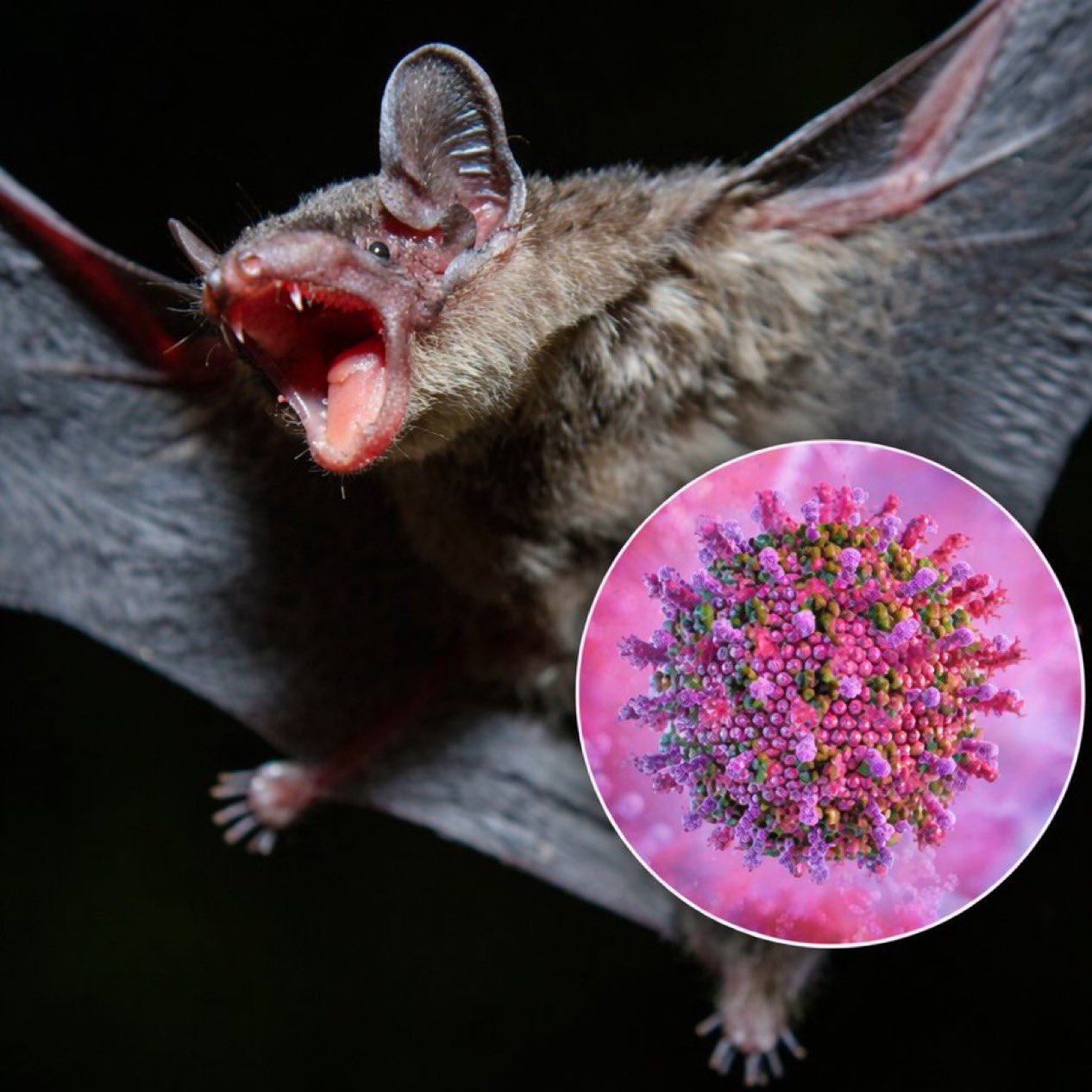
Confirmed Nipah cases have indeed been recorded recently in eastern India, leading to a rapid mobilization of local and national health authorities. The virus, known since the late 1990s, is classified among pathogens with high potential severity, with a high fatality rate observed in some past outbreaks. It is a zoonosis, with the natural reservoir generally identified in fruit bats, with possible transmissions to humans, and then, in certain contexts, between humans through close contact.
Contrary to what some viral publications might suggest, the current situation does not correspond to a widespread epidemic. Authorities have confirmed a limited number of cases, managed within a strict hospital framework, with isolation protocols activated. Some healthcare personnel have been exposed, leading to enhanced medical follow-up and, in some cases, preventive hospitalizations or severe clinical states. Available information suggests serious cases, though not all medical details have been made public in an exhaustive manner.
One frequently highlighted point—rightly so—concerns the absence of a vaccine or specific antiviral treatment against the Nipah virus. Management relies primarily on supportive care and on the early detection of cases. This is precisely why Indian authorities have undertaken a wider identification of contact cases, with targeted quarantine measures to break any potential transmission chain.
In terms of communication, the term "deadly epidemic" seems excessive at this stage. This is a surveillance outbreak, in a country that has faced Nipah several times in recent years and has established procedures to limit spread. Previous episodes have shown that rapid, localized measures can effectively contain the virus.
The concerns expressed in some messages—referencing the years 2016 or 2019—mainly illustrate a climate of post-pandemic distrust, where any health alert is immediately seen through the lens of past global crises. While vigilance is warranted, alarmism is not necessarily justified.
At this stage, Indian health authorities, in coordination with international health bodies, are monitoring the situation daily. There is no indication of uncontrolled spread or an immediate regional or global risk. The Nipah virus remains a known risk, serious, but contained, as long as transmission chains are identified and managed.