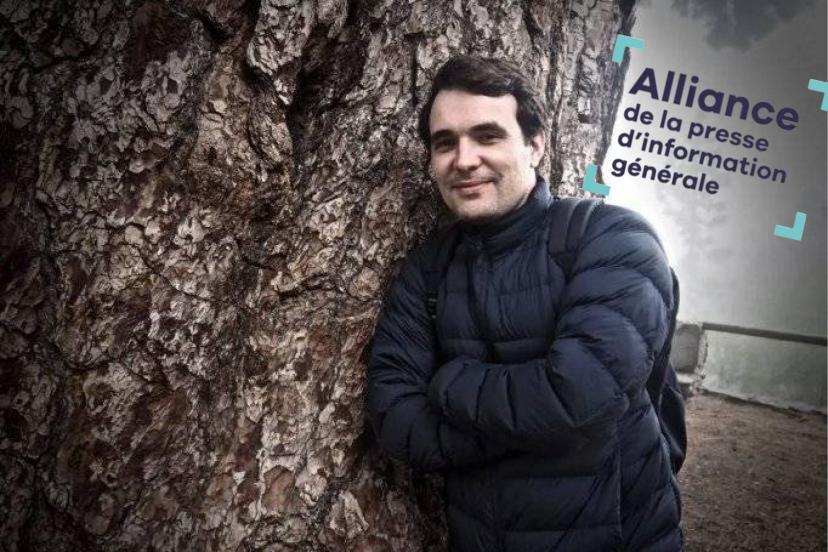
Christophe Gleizes originally had a professional aim: to tell a football story. An independent sports journalist aged 36 and a regular contributor to So Foot and Society magazines, he traveled to Algeria in May 2024 for a story on Jeunesse Sportive de Kabylie, one of the country's most iconic clubs. This was where his trip took a turn: on May 28, 2024, he was arrested in Tizi Ouzou, placed under judicial control, and quickly prohibited from leaving the country.
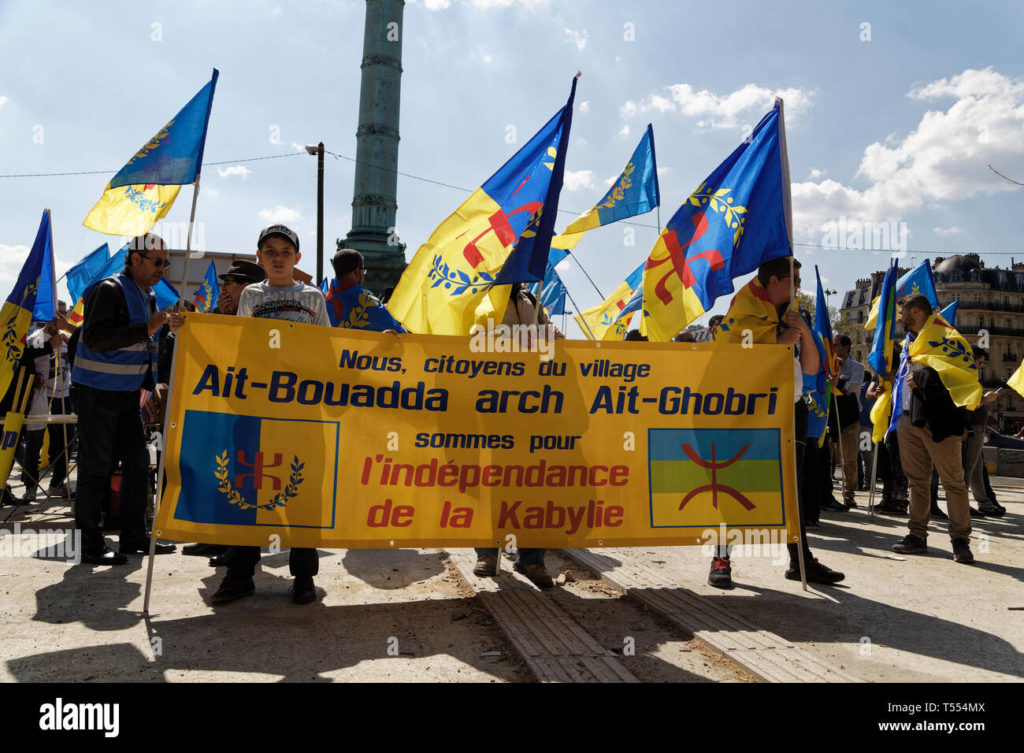
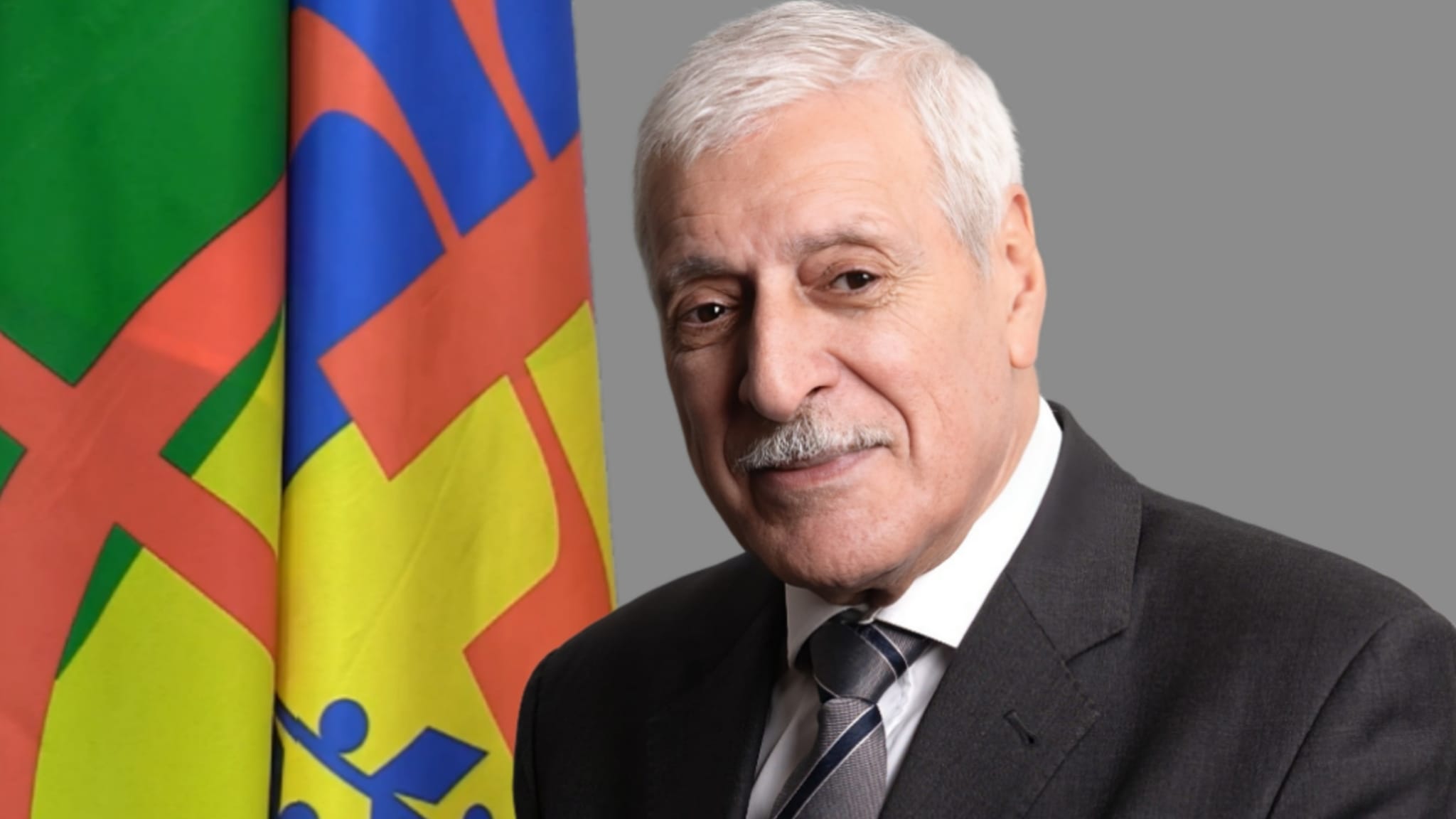
For thirteen months, Christophe Gleizes remained detained in Algeria under strict judicial control. His movements were restricted, his passport blocked, and his journalism work suspended due to the legal proceedings. Algerian authorities accused him of multiple offenses categorized as terrorism: "glorification of terrorism" and "possession of publications for propaganda purposes harmful to national interest." Central to the case were interviews and contacts made during his sports investigations, particularly with a JS Kabylie leader who is also an official of the Movement for the Autonomy of Kabylie, MAK, classified as a terrorist organization by Algeria since 2021. However, the initial exchanges between the journalist and this leader date back to years when the movement did not yet hold this status.
On June 29, 2025, the Algerian judiciary handed down a particularly heavy sentence: seven years in prison, accompanied by an immediate detention order. After more than a year under judicial control, Christophe Gleizes was incarcerated. For his relatives, supporters, and press advocacy organizations, this decision marked a significant turning point. The argument presented is straightforward: interviewing a club leader, even one engaged politically, is part of normal journalistic work, not an endorsement of their ideas or participation in a terrorist enterprise. The case has been described as a criminalization of a standard reporting act in a context where the Kabyle question remains extremely sensitive in Algeria.
Since this conviction, the case has gained significant public attention. Reporters Without Borders, the International Federation of Journalists, and several French journalists' unions have condemned the decision as unjust and disproportionate. They emphasize that Christophe Gleizes is currently the only French journalist imprisoned in the world for exercising his profession. The seven-year prison sentence is also noted as one of the heaviest imposed on a French journalist in over a decade. Tribunes, petitions, and support committees have formed, involving journalists, sports figures, artists, writers, and media personalities.
Meanwhile, the diplomatic dimension has come into play. Paris has officially expressed its disagreement with the verdict and described the sentence as "very heavy." The French Foreign Ministry states that it has been closely monitoring the situation since the arrest, providing consular assistance to the journalist and his family. The head of French diplomacy has publicly declared that France will mobilize for his release, while emphasizing the need to respect Algeria's judicial sovereignty. Thus, the situation of Christophe Gleizes is situated within a broader context of tense Franco-Algerian relations, intertwined with migration issues, security agendas, and colonial legacy.
Legally, the case is not closed. An appeal was filed swiftly after the conviction in June 2025. The appeal trial is scheduled at the criminal court of appeal in Tizi Ouzou. This new hearing is crucial: it could confirm the sentence, reduce it, or annul it. For the journalist's defense, the goal is to demonstrate that the acts for which he is accused fall entirely within the realm of information and reporting, and not any participation in a terrorist enterprise. The lawyers contest the interpretation made by Algerian authorities regarding his contacts, notes, and publications.
Beyond the personal case of Christophe Gleizes, the issue of press freedom and the limits of anti-terrorism legislation are at stake. In Algeria and beyond, anti-terrorism laws allow for extremely broad prosecutions, sometimes used against opponents, activists, or journalists. In this case, the core debate centers on whether simply interviewing a person later classified as a terrorist can be equated with support or propaganda. Press defense organizations answer no and emphasize that without contacts with controversial sources, it becomes impossible to document sensitive political realities.
The conditions of detention for the journalist also raise concerns. His family and supporters mention that he is incarcerated in an ordinary Algerian prison, facing the usual issues of overcrowding and harsh living conditions. They remind that he has already spent several weeks behind bars and that each additional day further jeopardizes his personal and professional situation. Despite this, reports indicate that he is trying to maintain a strong morale, relying on the support of his family, colleagues, and the network of solidarity that has formed around him.
With just days before the appeal hearing, several scenarios are being contemplated. In the best-case scenario, the court could drastically reduce the sentence or order his release, possibly with conditions. In the worst, it could uphold the conviction, prolonging an incarceration that has now become a focal point in a symbolic battle over press freedom. Advocates for the journalist hope that the international context, public pressure, and signals from other recent cases of Franco-Algerian detainees will lead to a more lenient outcome.
Regardless, the Christophe Gleizes case has become a test. A test for the Algerian justice system, tasked with demonstrating that it does not conflate journalistic work with support for terrorism. A test for French diplomacy, called upon to defend one of its citizens without further straining already fragile relations. Finally, a test for press freedom, in a world where the boundaries between reporting, engagement, and national security are increasingly contested.