An Amazigh Heritage Rooted in History
Kabylie, a mountainous region in northern Algeria, has always been the beating heart of Amazigh culture. This territory has managed to preserve its language, traditions, and autonomous social organization, long evading direct control from central powers.
After Algeria's independence in 1962, the Kabyles hoped their contributions to the national struggle would be recognized. However, the policy of Arabization and centralization of power marginalized their identity, sparking a peaceful but persistent resistance movement.
The Berber Spring: A Historic Turning Point
In April 1980, Kabylie rises up. The "Berber Spring," triggered by the ban on a conference about Amazigh culture in Tizi Ouzou, marks a major turning point. For the first time, the Kabyles openly demand recognition of the Amazigh language and their identity.
This cultural revolt is met with violent repression, yet it plants the seeds for a lasting movement: that of Amazigh identity claims throughout North Africa.
From Cultural Claims to Political Struggle
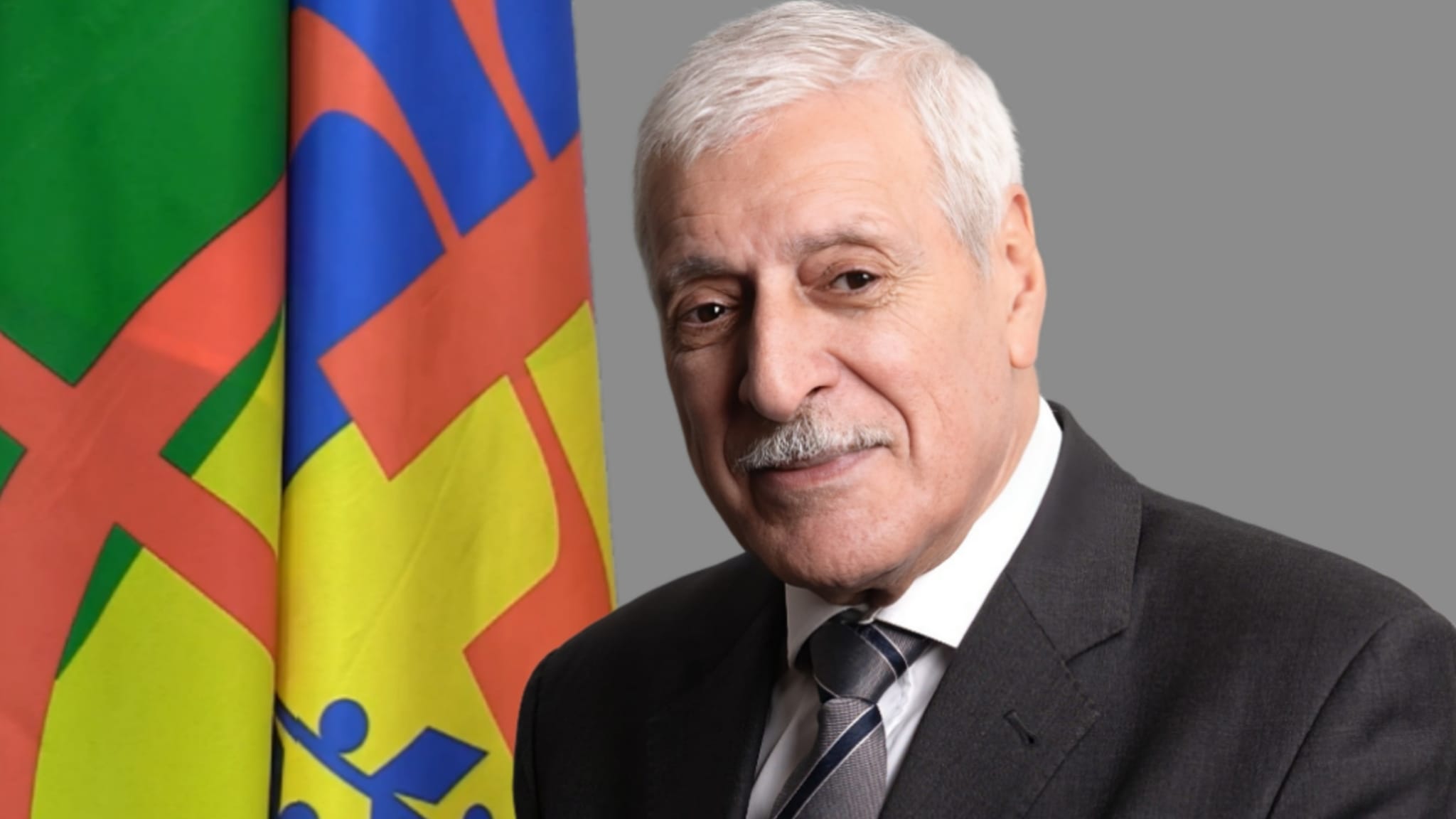
The 2000s saw the emergence of the Movement for the Autonomy of Kabylie (MAK), led by Ferhat Mehenni. This movement advocates for autonomy, or even total independence, for Kabylie.
The Algerian government considers the MAK an illegal separatist organization and has recently classified it as "terrorist." Despite this repression, Kabyle protests continue, particularly within the diaspora, where support for the cause is growing, especially in Europe and Canada.
An International Cause
The Kabyle struggle now transcends Algerian borders. Several NGOs and international organizations are raising concerns about political repression and human rights violations in Kabylie.
Kabyle activists emphasize that their struggle is not against the unity of the peoples of Algeria, but for the freedom to decide their future and preserve an ancestral identity threatened by homogenization.
The Challenge of the Future
Between calls for autonomy, demands for linguistic recognition, and independence aspirations, the Kabyle struggle remains diverse.
But one thing is certain: Kabylie continues to symbolize, for many North Africans, resistance to identity denial and the defense of people's right to self-determination.
Sources: Amnesty International, Le Monde, France 24, Jeune Afrique