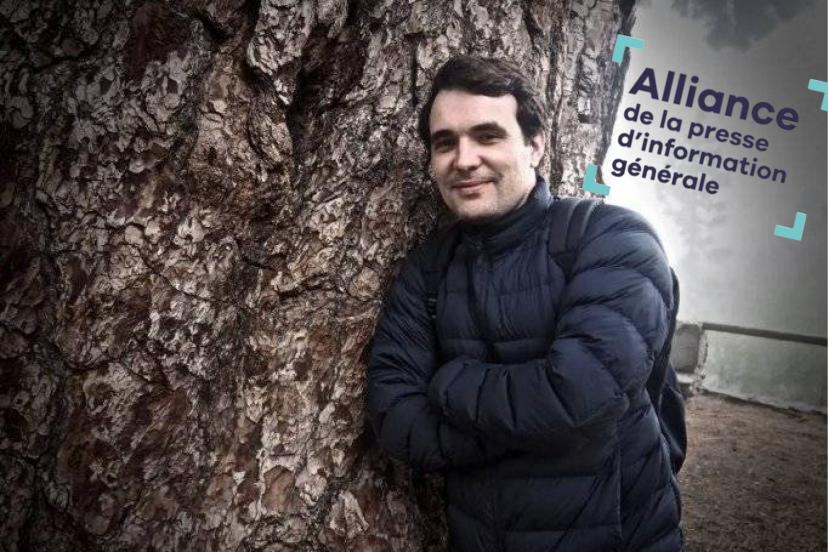
The Algerian judiciary has ruled: Christophe Gleizes, a French journalist arrested in May 2024 in Tizi Ouzou, will remain sentenced to seven years in prison. The verdict, delivered yesterday by the appeals court, confirms the heavy sentence handed down at first instance and closes a door that the defense still hoped to open. This upholding of the conviction occurs within a particularly sensitive judicial and political climate.
Gleizes, a contributor to well-known French media outlets, had traveled to Kabylie to investigate the socio-political and sporting environment surrounding JS Kabylie. He held a tourist visa, which the Algerian authorities immediately cited to deem his presence incompatible with journalistic activity. Upon his arrest, he was accused of alleged contacts with activists from the Movement for the Self-Determination of Kabylie (MAK), an organization classified as terrorist in Algeria.
During his trial and before the appeals court, the journalist acknowledged administrative oversights, admitting that he should have applied for a press visa. He expressed regret and pleaded for leniency, insisting that he had no political or subversive intentions. His defense emphasized that there was no material evidence, either on his devices or in his notes, to support the allegations of glorifying terrorism. Conversely, Algerian authorities argued that his activities constituted a 'hostile act' and that the collected evidence was sufficient to establish malicious intent.
The ruling has sparked strong emotions in France. The journalist's family describes the sentence as incomprehensible and there is growing concern. Human rights organizations have condemned a serious infringement on press freedom, claiming that the Algerian judiciary is applying anti-terrorism laws disproportionately. Paris, for its part, expressed regret over the verdict while assuring that it is monitoring the case at the highest diplomatic levels.
Beyond the individual case, this matter illustrates a noticeable hardening towards foreign journalists in Algeria. Several observers see it as a signal to those interested in Kabylie or other topics that the government considers sensitive. For media professionals, the conviction of Gleizes may have a lasting chilling effect, hindering investigations, reports, and collaborations in the region.
The immediate future of Christophe Gleizes now hinges on two options: a potential appeal to the Supreme Court or a hypothetical presidential pardon. His supporters, along with several engaged voices in France, are already calling on the Algerian authorities to reconsider a sentence deemed disproportionate. In the meantime, the journalist remains incarcerated, inadvertently symbolizing a struggle between the freedom to inform and enhanced political control.