A writer at the center of a judicial storm
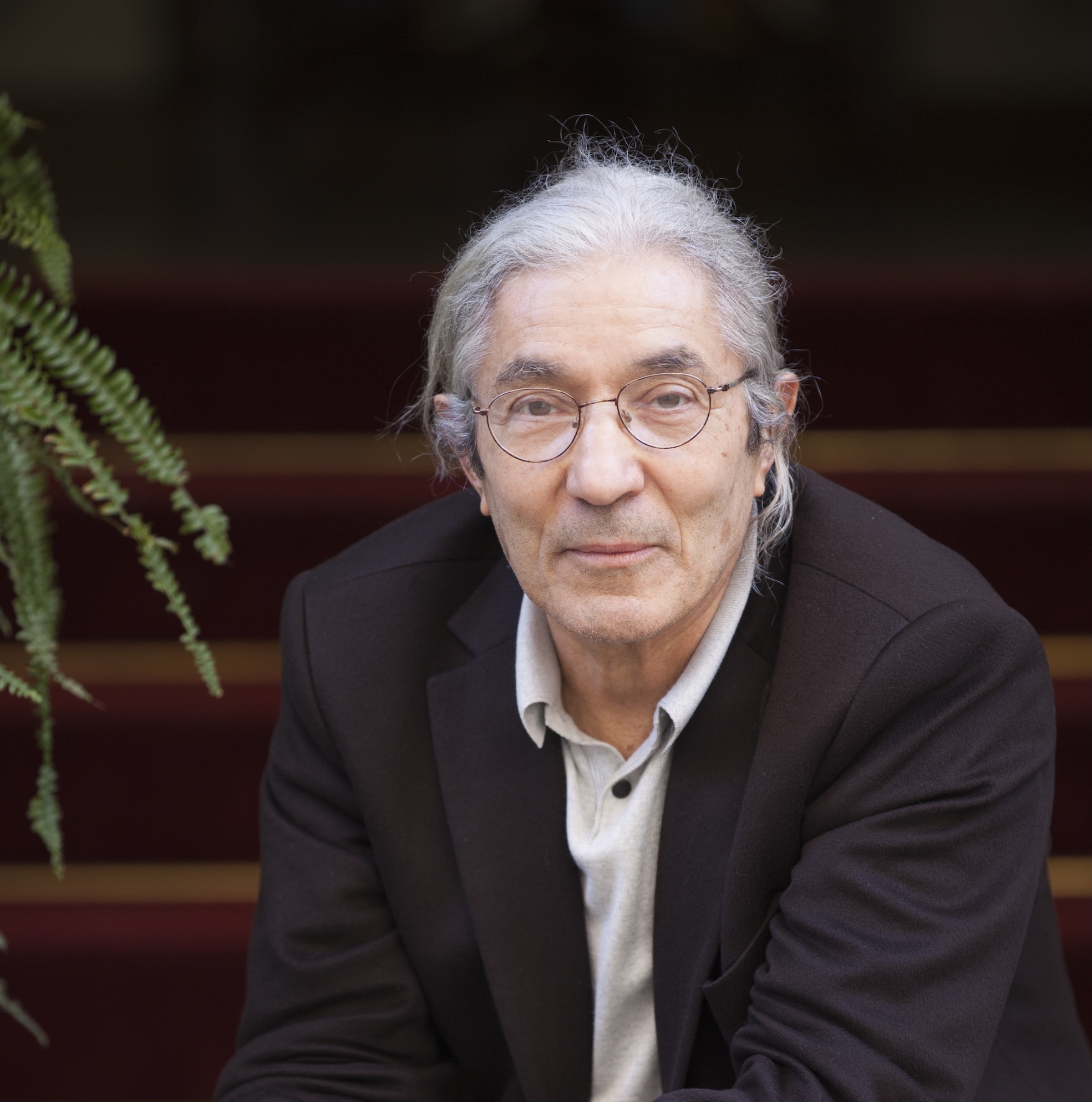
Arrested in Algiers after making statements deemed sensitive by the authorities, Boualem Sansal was prosecuted for "harming national unity." His advanced age and fragile health raised significant concerns. Despite this, he was given a heavy sentence, a symbol of the severe political climate surrounding identity and historical issues in Algeria.
An incarceration marked by tensions
During his imprisonment, the Sansal case took on a political dimension. His health condition—specifically prostate cancer—required regular medical monitoring. Public opinion, cultural circles, and several foreign actors engaged with the issue, making his case a marker of the restrictions imposed on freedom of expression.
The presidential pardon, a turning point
Boualem Sansal's release came as a result of a pardon granted by the Algerian president. This decision, framed as a humanitarian gesture, paves the way for his transfer abroad for essential medical care. It ends an incarceration that lasted over a year and has significantly impacted public debate.
A gesture with diplomatic implications
The pardon granted to Sansal cannot be separated from current diplomatic balances. Algeria seeks to ease certain international tensions while managing its internal opinion. In this matter, several observers believe that France has surprisingly taken a step back, allowing other partners to take the lead in discreet discussions that led to the writer's release.
A lasting symbol
While Boualem Sansal is now free, his case will remain linked to a broader debate: that of freedom of expression in Algeria. His arrest, conviction, and subsequent release raise a series of questions about the space allowed for dissenting voices, the role of the judiciary, and the influence of politics in sensitive cases.
A chapter closes, but the debate continues
Sansal's release is seen as a signal of openness, but it does not resolve the deep tensions surrounding freedom of expression and the treatment of intellectual opposition. Nevertheless, it brings to an end a chapter that has shaped public opinion and highlighted the fragility of those who dare to challenge official narratives.