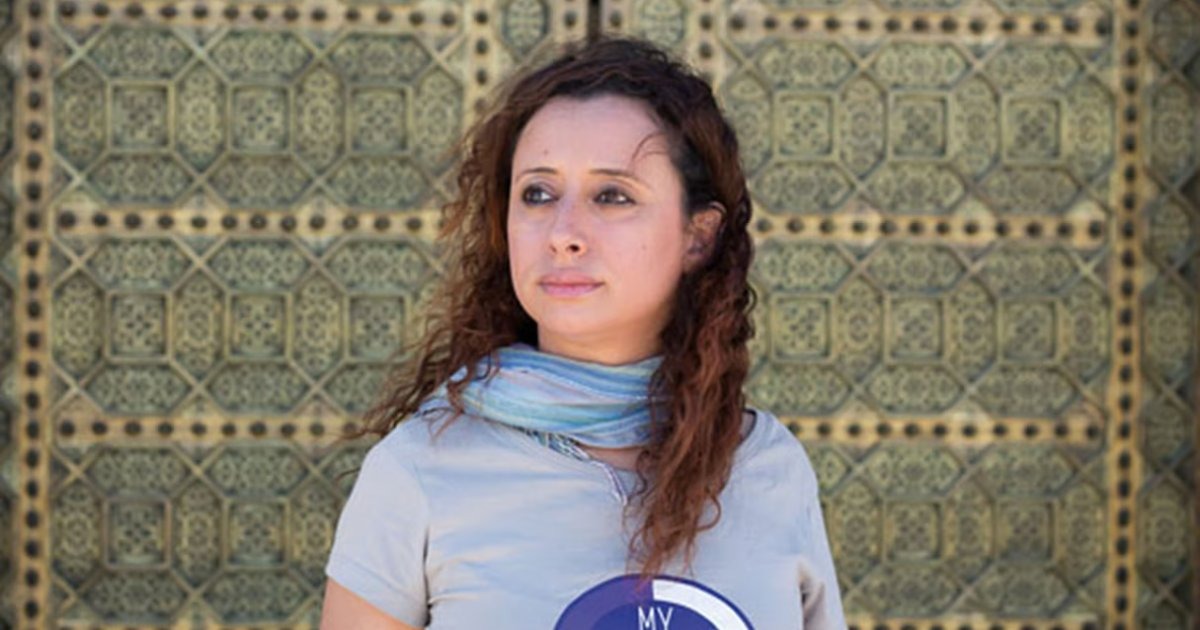
The recent sentencing of Ibtissame Lachgar to thirty months in prison has caused a media and political earthquake. A well-known figure in secular and feminist activism in Morocco and co-founder of the Alternative Movement for Individual Liberties (MALI), Lachgar is accused of making statements deemed offensive to religion and public morals.
Beyond the individual case, this affair highlights the persistent tensions between freedom of expression and respect for collective values. Reactions have multiplied in the streets and on social media: some see it as a serious infringement on fundamental rights, while others applaud the firmness of a judiciary meant to protect the 'sacred principles' of Moroccan society.
Supporters of the activist denounce a political trial. They argue that the decision reflects a hardening stance against critical voices, especially those defending secularism, gender equality, and minority rights. In their view, Morocco, a signatory to multiple international conventions on freedoms, cannot afford to condemn an opinion, no matter how disturbing it may be.
Her detractors, on the other hand, invoke the necessity of preserving social cohesion and respect for Islam, which is enshrined in the Constitution as a pillar of national identity. According to them, freedom of expression should not serve as a pretext for provocation or for undermining the beliefs of others.
This polarization is not new; it has been traversing Moroccan society for several years. The internet and social platforms have amplified expressions of opinion and made public debate more immediate, at times more brutal. Between cultural modernization and attachment to traditions, Morocco stands at a crossroads.
Jurists and intellectuals are now advocating for a clarification of the legal framework surrounding freedom of expression. They emphasize the need for a clear distinction between criticism, blasphemy, and incitement to hatred. Without this nuance, there is a risk of turning every societal debate into a judicial dispute.
For international observers, the Lachgar case symbolizes a much broader issue: the relationship between the state, religion, and civil society. In a context where the Kingdom seeks to assert its image of modernity, how it handles such cases will weigh on its democratic credibility and its international standing.
More than just a trial, the Ibtissame Lachgar case is a mirror held up to Moroccan society. It questions tolerance, diversity of opinion, and the country's capacity to accept debate, even when it is uncomfortable.
Sources:
Le Monde Afrique, Hespress, TelQuel, Amnesty International, Human Rights Watch