A City Symbol… and Symptom
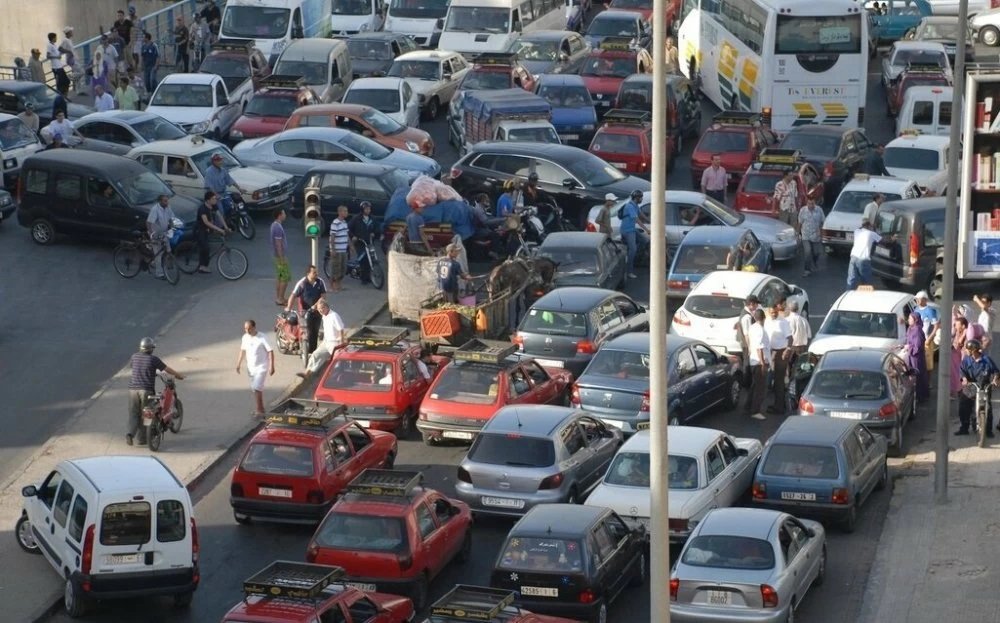
Casablanca embodies all the ambitions and contradictions of contemporary Morocco. A city of business, finance, and creativity, it attracts thousands of new residents each year. However, this rapid growth comes at a cost: extreme urban density, pressure on infrastructure, lack of maintenance, and a feeling of abandonment.
The evidence is glaring: litter scattered on sidewalks, haphazard parking, incessant honking, graffiti on facades, neglected green spaces. Incivility, far from being marginal, has become a daily reflex.
When Modernity Stops at the Sidewalk
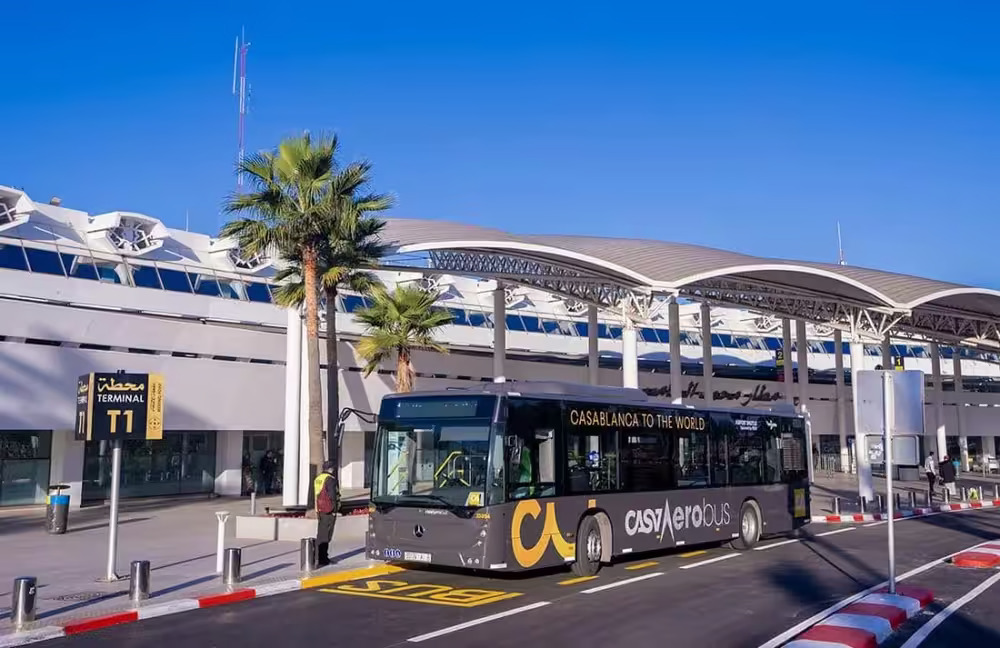
Authorities are investing billions to modernize the city: trams, revamped corniches, road tunnels, smart cameras… but without collective discipline, these advancements lose their meaning.
A smart city cannot exist without responsible citizens. What good are ultra-modern infrastructures if they are overwhelmed with waste, graffiti, and vandalism?
Incivility, a Reflection of Social Malaise
Behind the lack of civility lies a deeper issue: the disconnect between citizens and the city. Many residents of Casablanca no longer feel concerned about public spaces. A sense of irresponsibility is taking hold: “it's not my problem,” “the state should clean up,” “I pay my taxes.”
This distance reflects a feeling of disenchantment and powerlessness in the face of a city viewed as chaotic, impersonal, and inhumane.
The Role of Institutions and Public Policies
Local authorities have increased initiatives: awareness campaigns, fines for littering, environmental brigades. However, these actions remain sporadic, lacking continuity or coordination.
An effective urban policy must be accompanied by in-depth work on education, pedagogy, and civic participation. It is in schools, neighborhoods, and families that civic awareness is forged.
When the 2030 World Cup Brings Image Demands
Morocco is set to host the 2030 World Cup, a global event. Casablanca will be scrutinized by the entire world. While modernization progresses, the image of a dirty and noisy city could tarnish the national narrative of an organized and welcoming Morocco.
This challenge is also symbolic: cleanliness and urban discipline are not just aesthetic issues but markers of collective self-respect.
Casablancans, Actors of Change
Fortunately, civic initiatives are emerging: neighborhood associations, ecological collectives, recycling startups, and young volunteers cleaning beaches and public squares. These still isolated actions show that awareness is on the rise.
The future of Casablanca will depend on the ability to transform these gestures into a shared culture.
Reinventing Urban Citizenship
It is no longer just about punishing, but about educating and rehabilitating the notion of the common good. Civility is an invisible infrastructure, as essential as roads and bridges.
If Casablanca manages to restore this social link, it will become not just an economic engine but also a model of coexistence for all of Morocco.
Sources
Le360, SNRT News, Médias24, Le Matin, Urbanisme Maroc