A city born from nothing, shaped by the world
Casablanca is one of the few major cities in the world that has been created in less than a century. At the beginning of the 20th century, it was merely a small dusty port. Within a few decades, it transforms into a cosmopolitan metropolis, a crossroads of cultures and the industrial engine of the kingdom.
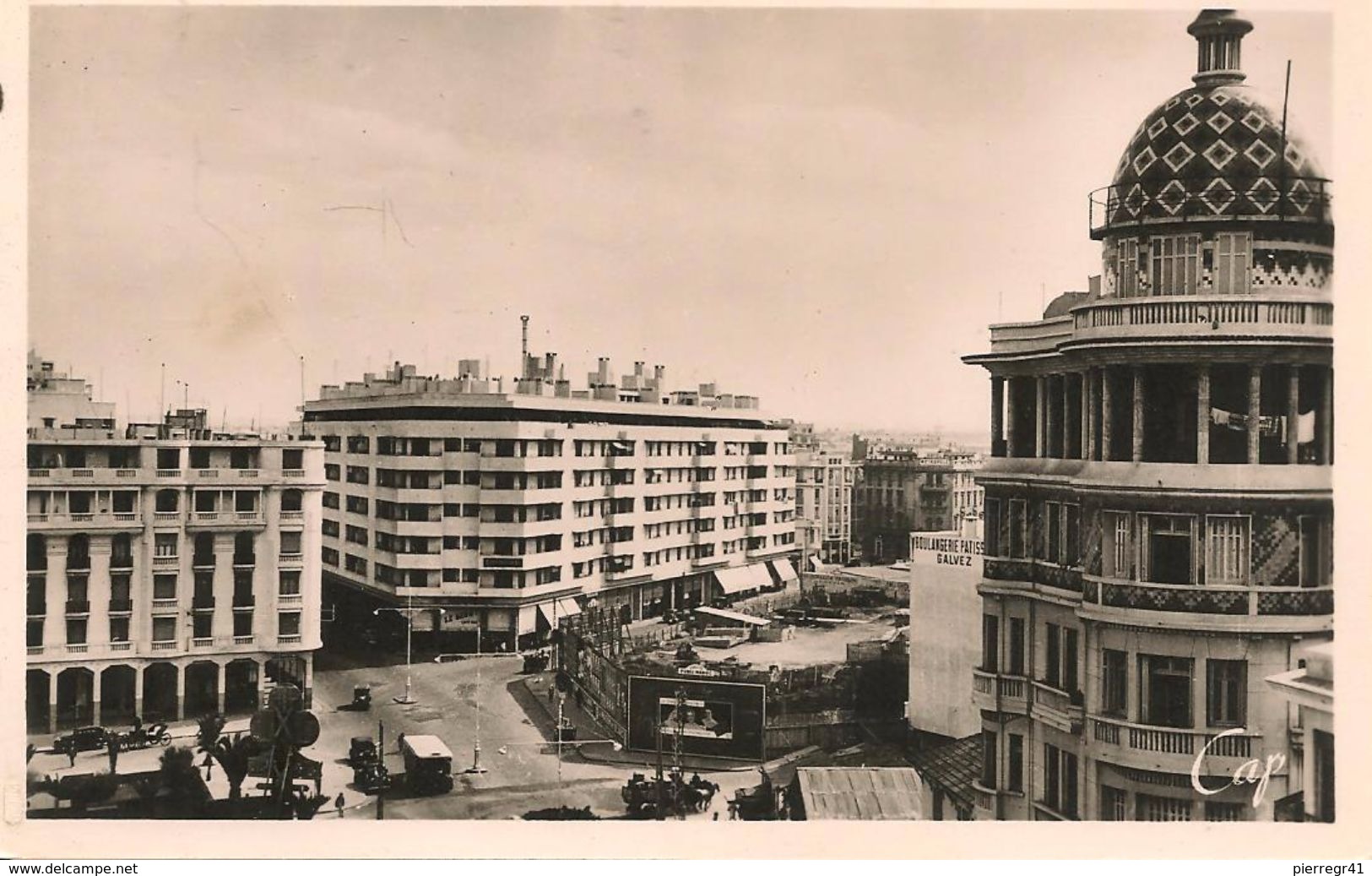
French architects, influenced by Art Deco, experimented with innovative urban planning. Moroccan craftsmen, on the other hand, blended traditional skills with modernity. It is this unique fusion that gave birth to the Casablanca spirit.
An Architectural Heritage Under Threat
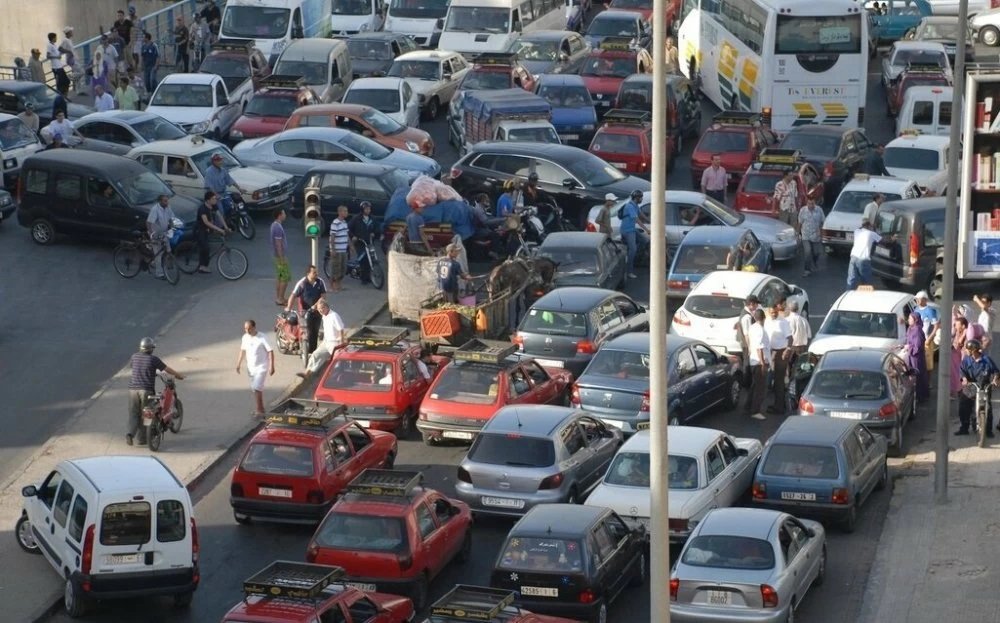
However, this spirit is crumbling. Each year, historic buildings disappear under bulldozers. Art Deco façades make way for glass towers. Iconic buildings — cinemas, hotels, cafés, hammams — close their doors, victims of neglect or speculation.
Municipal archives, often poorly preserved, bear witness to this fragility: missing plans, lost photos, destroyed documents. The history of Casablanca is being lost, stone by stone, page by page.

Colonization: A Past Still Hard to Read
Casablanca was also a colonial laboratory. France tested its model of a “modern city” there: spatial segregation, separate infrastructures, European neighborhoods facing Moroccan medinas.
Yet this period, far from being merely one of domination, also left major urban traces: avant-garde architecture, Henri Prost's plan, the first collective transport systems, and port development.
Nevertheless, this colonial memory remains sensitive to discuss, often reduced to clichés of nostalgia or injustice.
An Overlooked Popular Memory
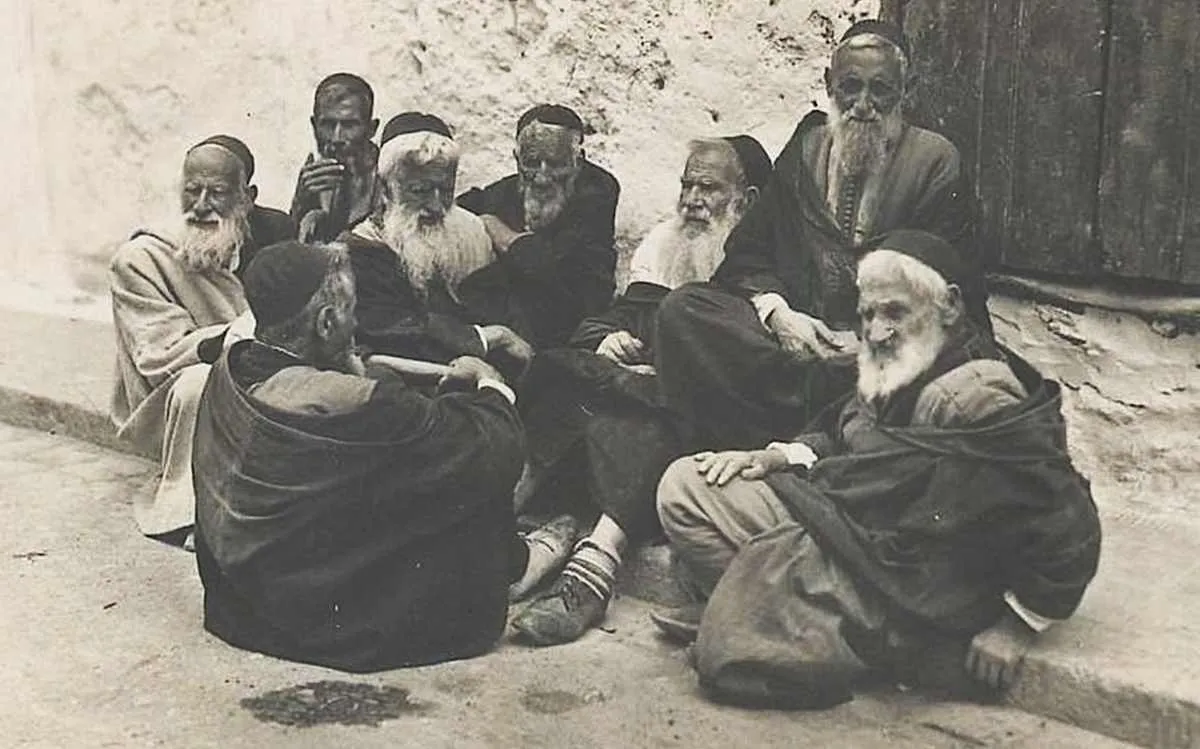
Behind the skyscrapers and urban legends, the true memory of Casablanca is popular: that of dock workers, Anfa fishermen, Derb Omar artisans, or families who came from all over Morocco to “move to Casa.”
These voices, these stories of migration, solidarity, and hope, are not found in any official archive. Yet, they constitute the living soul of the city — one that its inhabitants pass down through oral tradition, music, and cinema.
Cinema as a Guardian of Memory
Casablanca has never had a history museum, but it has its cinema. From the iconic film “Casablanca” by Michael Curtiz (1942) to “Ali Zaoua,” “Casa Negra,” or “Razzia,” the city has told its story through the camera.
Moroccan cinema has often served as a social mirror, revealing the beauty and harshness of the city, its chaos, its energy, its thirst for freedom.
Giving Meaning Back to Urban Memory

Today, architects, researchers, and citizens are campaigning to save this heritage. Initiatives like “Casamémoire” catalog, document, and restore historical buildings.
The issue is not only aesthetic: preserving memory is also about rebuilding the connection between the past and the future, between the inhabitants and their city.
Casablanca, a City Without a Past or a City to Reinvent?

The history of Casablanca is not lost: it sleeps under the rubble, in family photos, in forgotten archives, in the memories of the old.
Rediscovering this memory is to remind us that progress has meaning only if it is rooted in continuity. Casa must not only build towers but also landmarks.
Casamémoire, Revue Zamane, Le Matin, Maroc Diplomatique, Moroccan Urban Heritage Archives