The origins of a millennia-old civilization
Long before the arrival of Rome or Islam, the Moroccan territory hosted structured Amazigh kingdoms. The most famous is the kingdom of Mauretania, whose king Juba II already symbolized a learned Morocco, open to the Mediterranean and Africa.
Far from being mere tribes, these societies mastered agriculture, trans-Saharan trade, and metallurgy. Their influence extended as far as the Sahel and the Iberian Peninsula.
From resistance to rebirth
The history of Berber Morocco is also one of resistance. Figures such as Massinissa, Jugurtha, and later Al-Kahina testify to the struggle to preserve an identity in the face of successive invasions: Roman, Vandal, Arab, and then colonial.
However, these episodes of resistance never meant a retreat. Amazigh identity, on the contrary, thrived on cultural mixing, integrating and transforming external influences to create a unique, resilient, and inclusive identity.
The influence of Amazigh dynasties
The great medieval Moroccan dynasties — Almoravids, Almohads, Merinids — all originated from Berber tribes. They brought Morocco to the height of its power.
Under Yusuf Ibn Tasfin, the kingdom extended from Mauritania to Spain, establishing Marrakech as the capital of the western Islamic world. These dynasties built not only an empire but a centralized, organized, and intellectually vibrant political model.
A memory long erased
For centuries, Amazigh history was relegated to the background by official narratives focused on Arab-Muslim heritage. This imbalance fostered a collective amnesia, which Moroccan researchers and historians are now striving to mend.
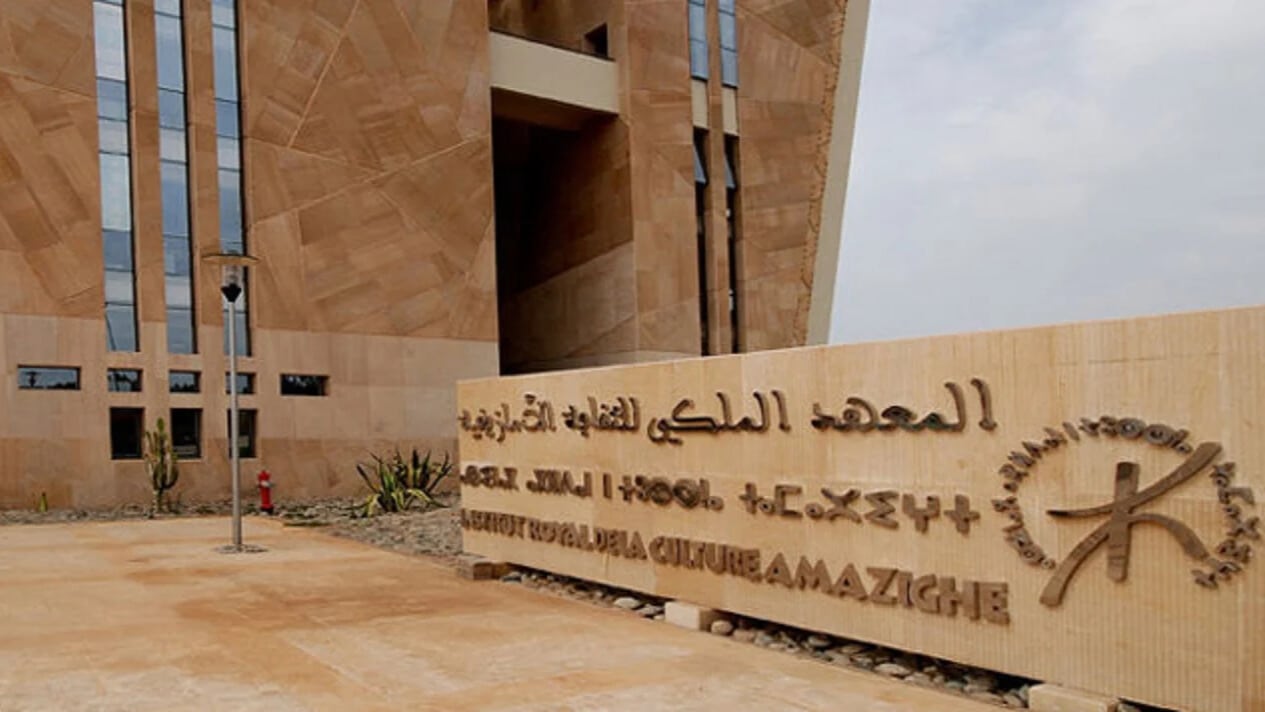
The constitutional recognition of the Amazigh language in 2011 marked a symbolic milestone: the return to an assumed plurality.
Contemporary Morocco and Amazigh heritage
Today, Amazigh identity is no longer a subject of archives but a matter of the future. It flows through the kingdom's culture, music, toponymy, and even cultural diplomacy.
From festivals to audiovisual productions, Morocco is giving a voice back to this essential component of its identity, long silenced.
A living heritage to pass on
Teaching the Amazigh language, preserving historical sites, and promoting oral heritage are the keys to reconciling with the past.
For revisiting Berber history is not to oppose identities, but to understand the richness of a diverse country, woven from languages, memories, and civilizations.
Royal Institute of Amazigh Culture (IRCAM), Zamane Review, Maroc Diplomatique, Ibn Tofaïl University