A maritime power born from resistance
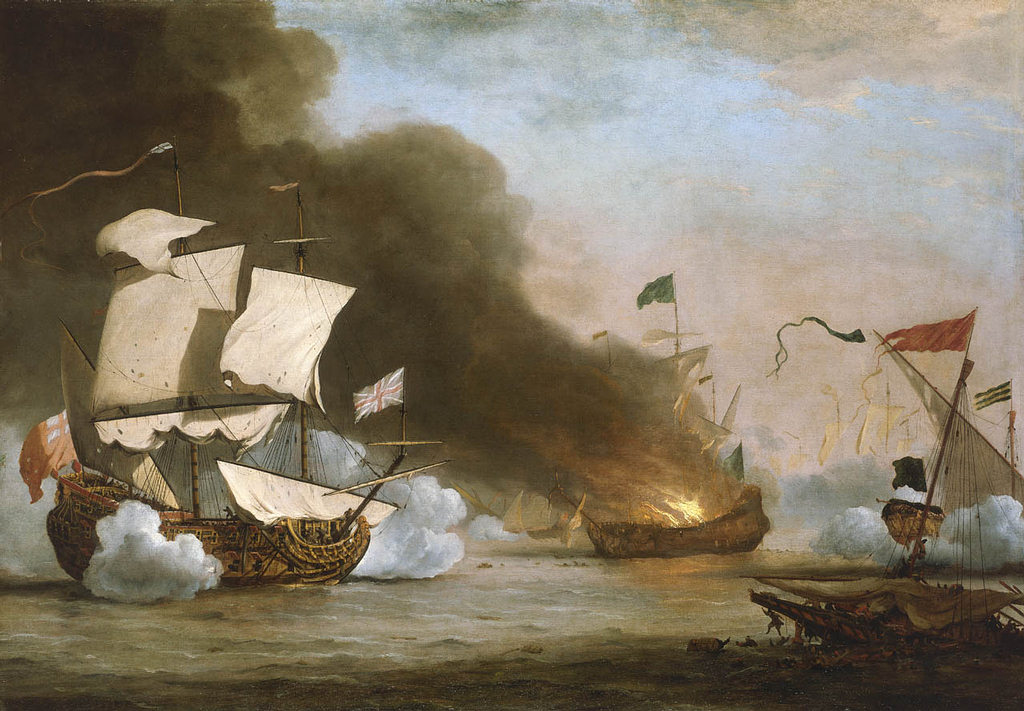
In the 17th century, as European powers contested the seas, Morocco emerged as an independent force. In the ports of Rabat, Salé, and Tétouan, entire fleets set sail under Moroccan flags to defend the kingdom's interests.
Their goal was not just plunder: it was an economic and political war, a response to rising colonial dominance.
The Republic of Salé: a privateer's lair in service of the kingdom
The port of Salé was the beating heart of this epic. From the 1620s onward, it became a feared center for privateering, both autonomous and loyal to the sultan.
Known as the "Republic of Salé," this port city brought together sailors from Andalusia, the Rif, England, and Atlantic coasts. These free men, often former exiles from the Reconquista, sailed under royal license to capture enemy ships.
Their plunder enriched the kingdom, financed defense, and ensured local prosperity.
Heroes feared by European powers
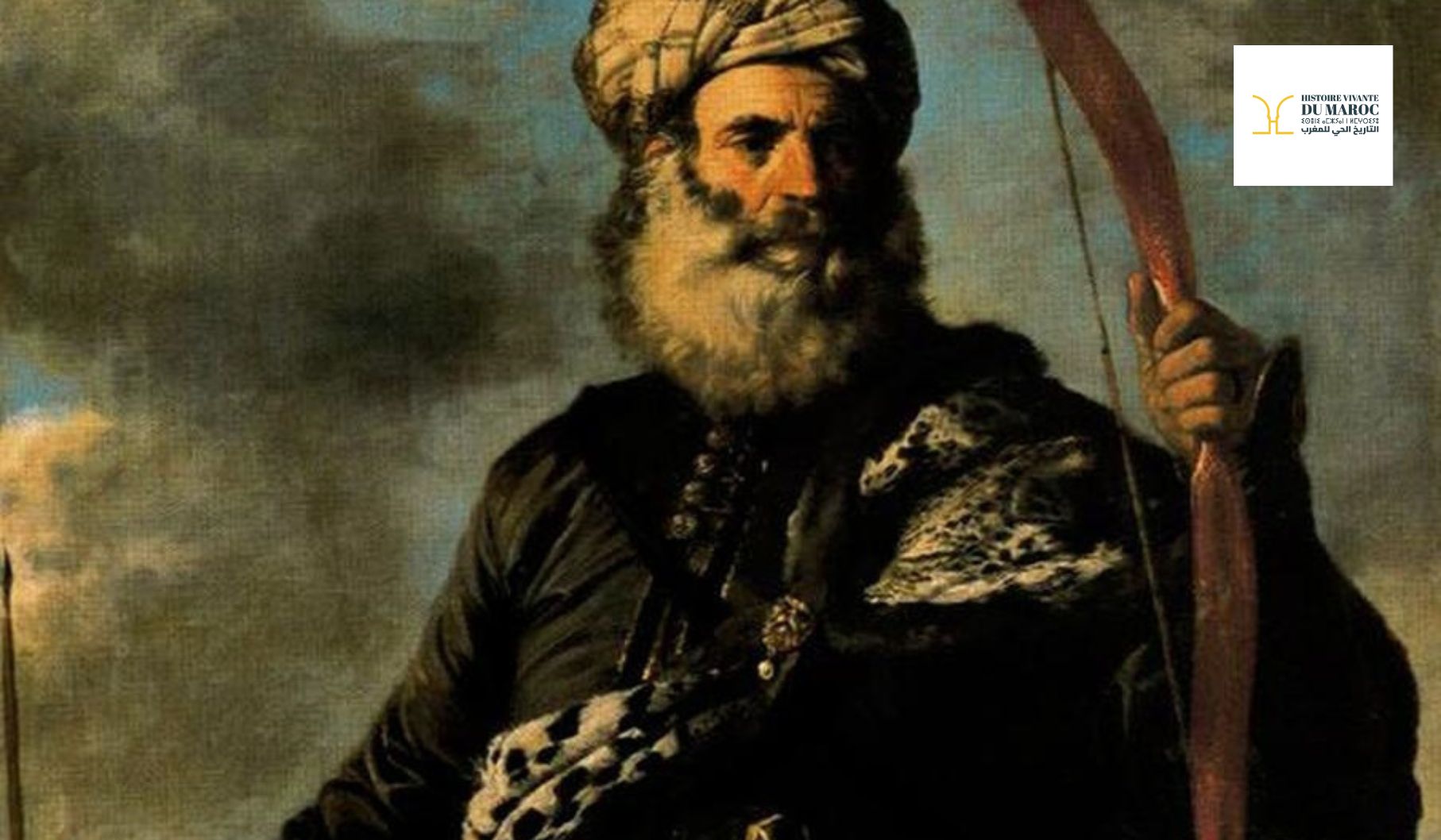
Moroccan privateers attacked Spanish, Portuguese, English, and Dutch ships. Their audacity was such that certain European powers signed peace treaties with Morocco to secure their maritime routes.
Under the reigns of Moulay Ismaïl and Sidi Mohammed Ben Abdallah, Morocco became a respected power, able to negotiate on equal terms with France, Spain, or Great Britain.
Between legend and diplomacy
These privateers were both fighters and diplomats. Their captures fueled trade exchanges, and their prisoners were sometimes used as bargaining chips in negotiations with Christian kingdoms.
Certain captains, like Admiral Ahmed el Inglizi (an Englishman who converted to Islam and joined the Moroccan fleet), embody this era where identities blended and the sea served as a shifting boundary between worlds.
An ethic of courage and faith
Unlike pirates, Moroccan privateers acted under royal mandate, adhering to specific rules: no indiscriminate pillaging, no attacks without the sultan's authorization.
Their mission was rooted in a logic of sovereignty and defense of the kingdom's interests. Their bravery made them respected figures, some even celebrated in the poems and chronicles of the time.
The end of an era and a faded memory
In the 19th century, with the rise of modern European fleets and the signing of international treaties, the golden age of Moroccan privateers came to an end.
The ports of Salé and Rabat lost their maritime strength, replaced by colonial administrations.
Yet in popular memory, these daring sailors remain symbols of an era when Morocco stood up to the world without renouncing its independence.
Rediscovering Morocco's maritime heritage
Today, few Moroccans are aware of this chapter in history. Yet, it illuminates Morocco's historical status as a maritime power and reminds us that sovereignty was long contested at sea as much as on land.
Rehabilitation projects for ancient ports and museum exhibitions could, in the future, revive this forgotten heritage.
Review Zamane, Maroc Diplomatique, History of Moroccan Maritime (Royal Institute of Marine), French Colonial Archives