"When an entire people rises for its history, it becomes a legend itself."
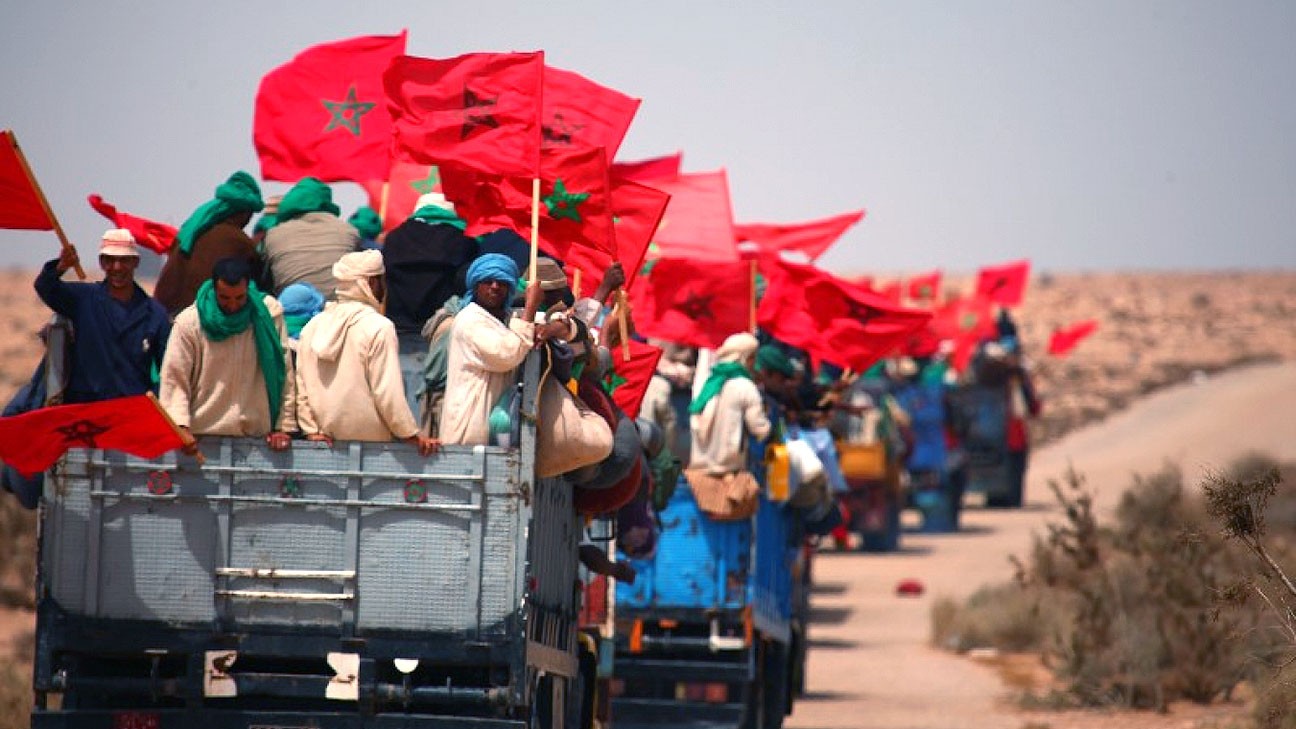
That was what happened in Morocco onNovember 6, 1975, when 350,000 Moroccan volunteers — men, women, farmers, teachers, artisans, soldiers, students — left their homes to march south, flags waving and Qurans in hand.
Not an act of war, but an act of faith. Not a conquest, but a reconquest of dignity. That day, Morocco etched as a collective memoryone of the greatest peaceful epics of the 20th century : the Green March.
🌅 A historic call
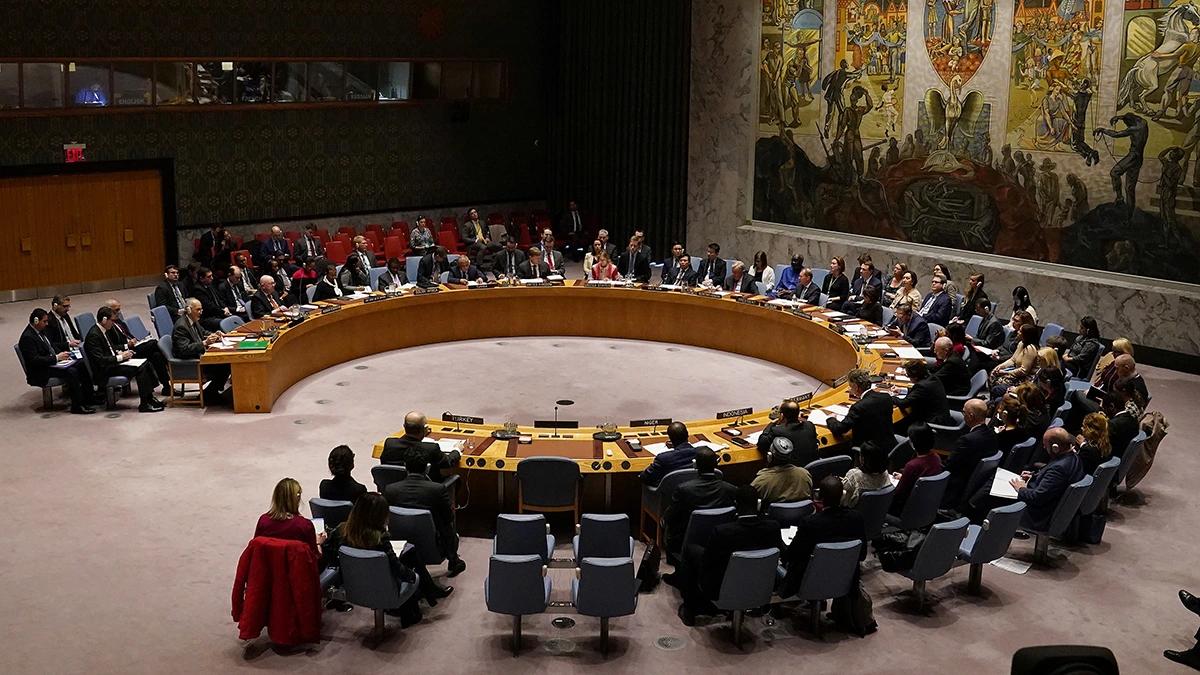
On October 16, 1975, the International Court of Justice issued an advisory opinion recognizingthe existence of historical ties of allegiance between the Sahara and the Sherifian throne..
That very evening, the late His Majesty Hassan II addressed the Nation. His voice resonated on radio and television, firm and full of serenity:
"I invite you to march, to cross the desert, to join our brothers in the Sahara. Go, bearers of the Quran and the flag. Do not take weapons. Your only strength will be your faith."
This call shook the country. Within days, hundreds of thousands of volunteers spontaneously came forward to participate in what the whole world would soon callthe Green March.
🚩 The organization of hope
Nothing was left to chance. The Moroccan state prepared the operation with exceptional rigor.
Convoys were formed, tents erected, supplies and means of transport provided.
Every region of the Kingdom participated in the effort, symbolizing total unity between the people and the monarchy.
On November 6, at dawn, the march began.
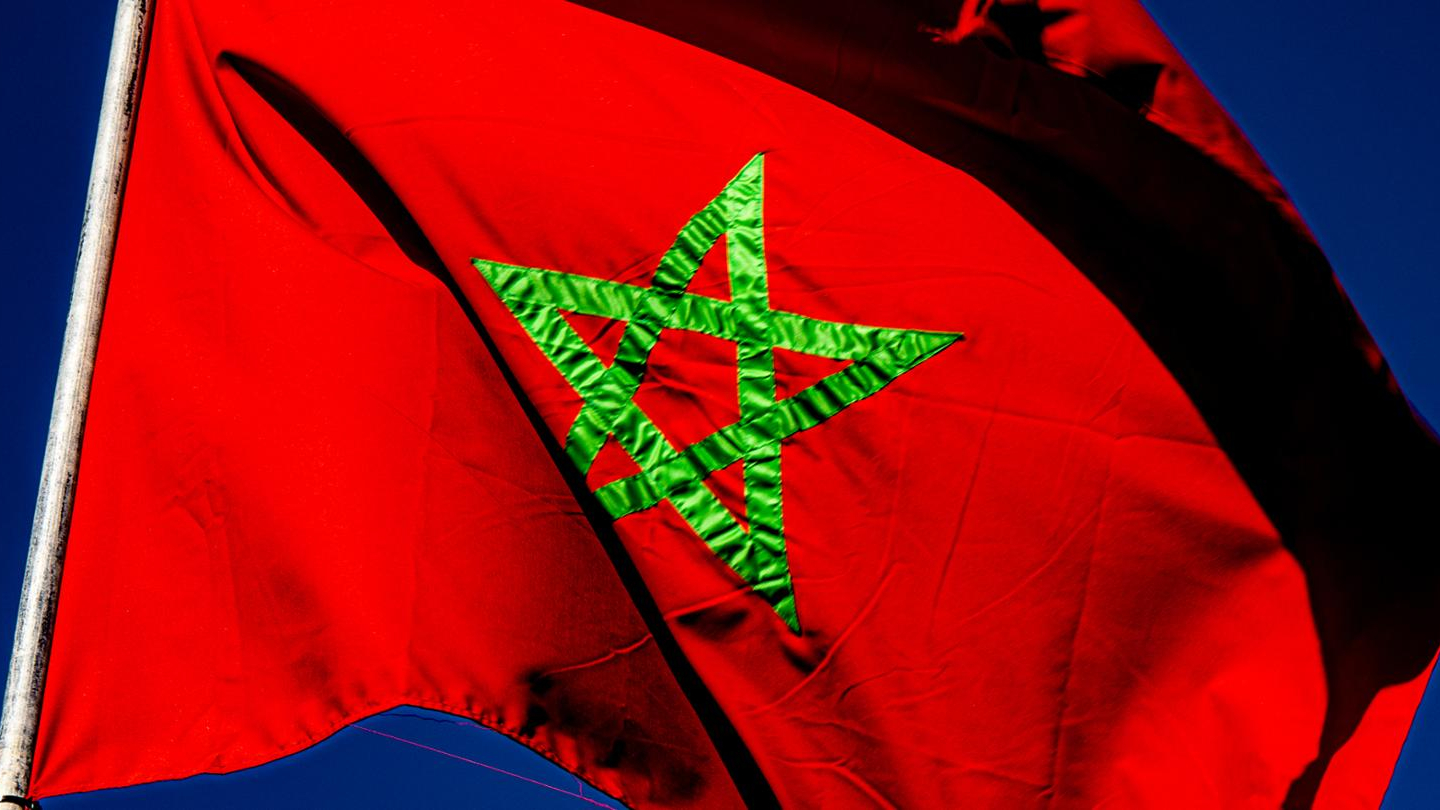
Under the desert sun, a human sea of 350,000 marchers advanced silently, holding high red flags emblazoned with the green star.
Prayers punctuated the progress. Patriotic songs rose.
The world watched, incredulous: an entire people marching, non-violently, to peacefully claim their territory.
✨ A peaceful and spiritual epic
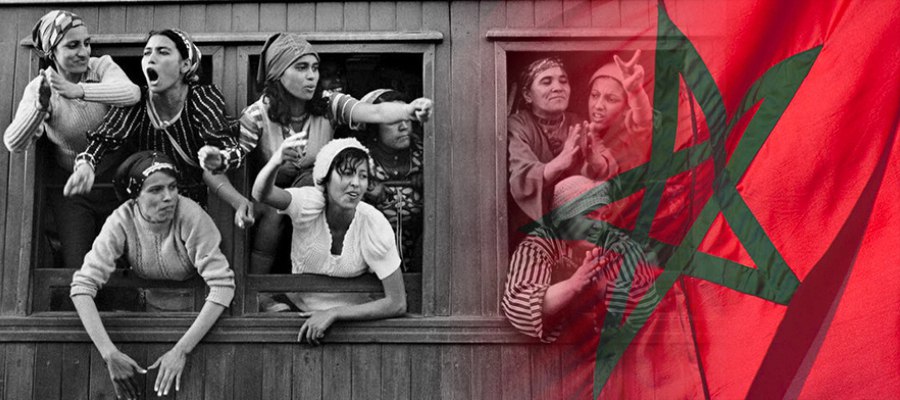
The Green March was not just a political demonstration: it was a spiritual act.
In a world still marked by the Cold War, armed conflicts, and late colonization, Morocco chose the path of pacifism and historical legitimacy..
No weapons were raised, no drops of blood were shed.
It was the moral strength of a united people, guided by their King and their faith, that triumphed.
The Arab world, Africa, and many countries in the Global South saw in it a unique model of nonviolent liberation,rooted in wisdom and spirituality.
🕊️ The founding act of modern Morocco
The Green March profoundly transformed Morocco.
It sealed the unbreakable bond between the monarchy and the people,redefined national unity, and strengthened the collective awareness of a shared destiny.
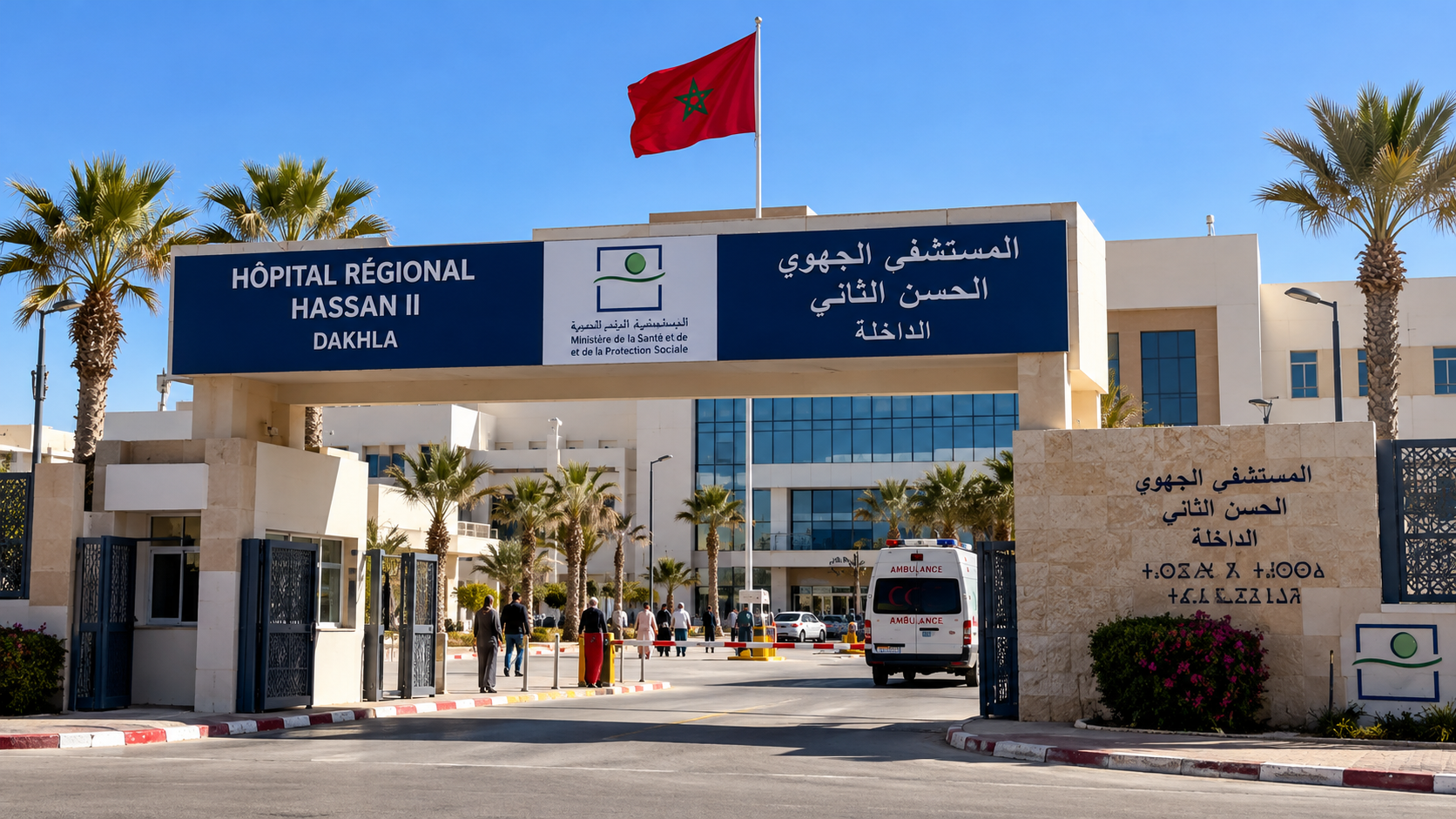
The Sahara, gradually reintegrated into the national fold, became a strategic space for Moroccan development : roads, ports, universities, hospitals, industrial zones, and renewable energies symbolize the continuity of this march.
Today, the Southern provinces embody the Morocco of the future:
– a Morocco connected to Africa,
– rooted in sustainability,
– open to the world.
⚙️ From the symbolic march to the march of development
Fifty years later, the march continues — no longer through the desert, but through the sites of progress..
The state is investing heavily in Sahara infrastructures:
-
the Tiznit–Dakhla expressway,
-
the Atlantic port of Dakhla,
-
the wind and solar parks of Laâyoune,
-
the academic and medical hubs of Guelmim and Smara.
Each project is a direct extension of the spirit of 1975.
The Green March paved the way for a Morocco that builds, connects, and rises.
🔭 An epic still alive
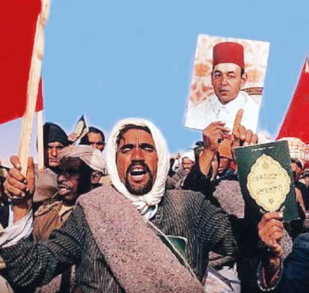
Fifty years later, the story of the Green March remains more than just a memory: it is a moral legacy and a political horizon.In schools, streets, mosques, and media, Moroccans continue to celebrate it, not as a date of the past, but as
a daily source of inspiration.Every generation finds a lesson in it: that of faith in the justice of their cause, of collective discipline, and of quiet courage..
A message for future generations
💬 The Green March teaches three things:
That no just cause can be sustainably defended without peace.
-
That a united people is invincible.
-
That faith and reason can, together, change the course of history.
-
It reminds us that sovereignty is not decreed by force, but built through legitimacy, consistency, and development.
It is this philosophy that still guides Moroccan diplomacy and development today.
Conclusion
🕯️ The
Green March not only liberated a territory.It liberated a spirit, cemented a Nation, and charted a horizon.
It is the epic of a people who marched for justice, and who still march — no longer southward, but towards the future.
}}} ,