On Saturday, October 31, 2026, Morocco officially celebrates Aïd Al Wahda, the Unity Day. This new national holiday, established by a decision of King Mohammed VI in November 2025, commemorates a date that has become symbolic in the contemporary diplomatic history of the Kingdom: the adoption of UN Security Council Resolution 2797 regarding Moroccan Sahara.
From Tangier to Lagouira, this day holds particular significance in the Moroccan national narrative. It connects the memory of the Kingdom's historical commitments, the diplomatic advances made on the Sahara issue, and the desire to place national unity at the heart of official celebrations.
October 31, 2025: The date marking the beginning of a new national holiday
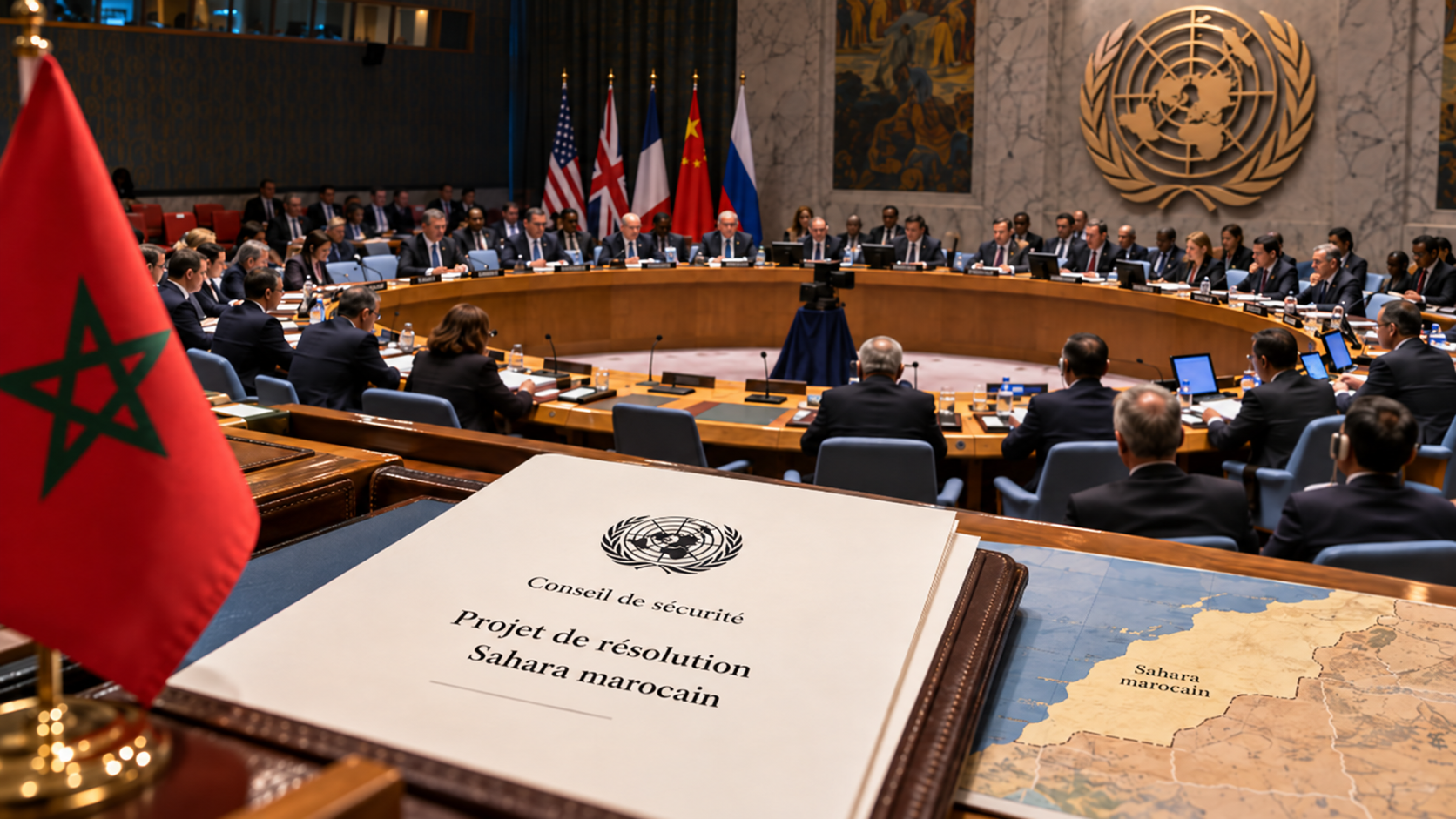
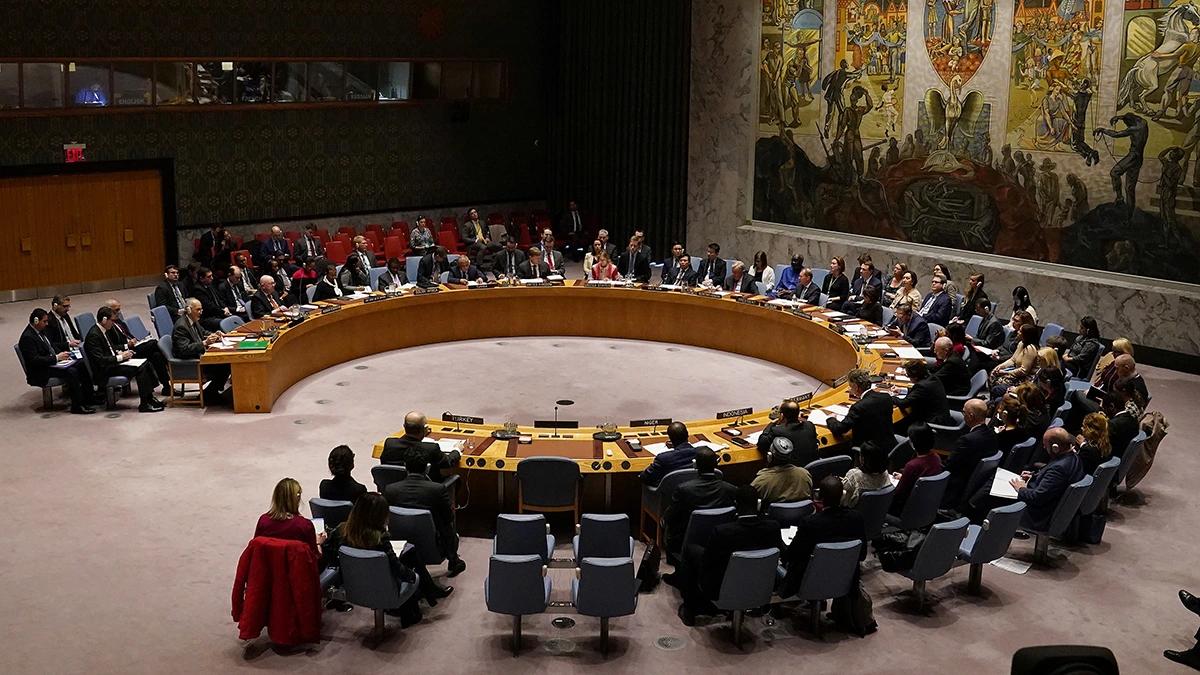
One year prior, on October 31, 2025, the United Nations Security Council adopted Resolution 2797, marking an important evolution in the diplomatic framework concerning the Sahara dispute.
This text gave central importance to the Moroccan proposal for autonomy in seeking a political solution, without, however, constituting a formal and definitive recognition of sovereignty by the UN.
For Rabat, this development represented a major diplomatic advance, reinforcing a strategy advocated since the presentation of the autonomy initiative in 2007.
A few days later, the royal cabinet announced the decision to establish October 31 as a new national holiday, named Aïd Al Wahda, in reference to national unity and the territorial integrity of the Kingdom.
A national holiday initiated by King Mohammed VI
The establishment of this day responds to a desire to give a lasting dimension to the diplomatic shift of October 31, 2025.
In its official statement, the royal cabinet presented this holiday as a unifying national occasion, dedicated to the attachment of Moroccans to their unity and national constants.
The government then undertook the regulatory translation of this decision. On January 15, 2026, the Council of Government approved two draft decrees concerning the integration of Unity Day into the holiday calendar applicable to the relevant sectors.
Thus, October 31 joins the great commemorative dates of the Kingdom, including the Throne Festival, the Green March, and Independence Day, while retaining a distinct historical significance.
A first celebration across the Kingdom
This first edition occurs in an atmosphere of mobilization around national unity.
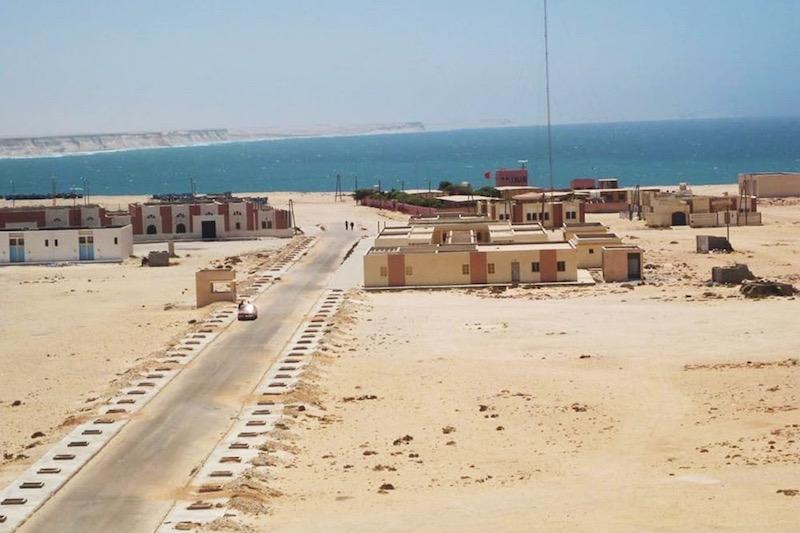
In the southern provinces as well as in other regions of the country, preparations for this day have been announced through cultural, associative, and civic initiatives.
In Casablanca, a national conference dedicated to volunteerism and citizenship is scheduled for October 31, initiated by the Moroccan Center for Volunteering and Citizenship and the United Tamghrabit Foundation.
In the South, the nineteenth edition of the Tan-Tan Moussem, organized from October 30 to November 3, coincides with this new national holiday and honors Sahrawi cultural traditions and heritage.
These events give this first celebration a dimension that goes beyond the mere institutional framework. They link national memory with cultural expressions and civic participation.
A royal grace granted to 907 people
The first Unity Day is also accompanied by a royal decision.
On this occasion, King Mohammed VI granted clemency to 907 people convicted by various courts in the Kingdom, according to a statement from the Ministry of Justice released on October 30, 2026.
Among the beneficiaries are 613 individuals in detention and 294 people at liberty.
This decision adds another dimension to the new national holiday, with the founding royal communiqué having specifically stated that it would annually constitute an occasion for the exercise of the right of clemency.
From November 6 to October 31: two dates, one national history
The Unity Day does not replace the commemoration of the Green March.
November 6, 1975, remains a foundational date in contemporary Moroccan history. Fifty-one years later, this collective memory continues to occupy a central place in the Kingdom's relationship with its southern provinces.
October 31 now complements this chronology.
Where November 6 refers to the historical mobilization of 1975, October 31 commemorates a diplomatic evolution that occurred fifty years later, in a profoundly transformed international context.
These two dates thus embody two different moments of the same national issue, which remains at the center of Moroccan diplomacy.
A diplomatic dimension that transcends commemoration
The establishment of Aïd Al Wahda comes as the Sahara issue remains on the United Nations agenda.
Morocco defends its autonomy initiative under Moroccan sovereignty as the basis for a political solution. The Polisario Front, for its part, continues to demand the self-determination of the territory, while international discussions proceed under UN auspices.
The diplomatic significance of this new holiday thus primarily lies in the Kingdom’s desire to cement the achievements of 2025 in permanence and in national memory.
For Moroccan diplomacy, the challenge remains to transform international support for its autonomy proposal into concrete political progress towards resolving the dispute.
October 31: A date now inscribed on the national calendar
By officially celebrating Aïd Al Wahda for the first time, Morocco inaugurates a tradition set to repeat each year.
This day combines recognition of the diplomatic milestones reached, enhancement of national cohesion, and transmission of a collective memory to new generations.
Thus, October 31, 2026, marks the first official celebration of a holiday born from a major diplomatic event, now integrated into the calendar and national narrative of the Kingdom.