For several years, Al Jazeera has adopted an editorial line that many observers deem biased against Morocco. With every report or map broadcasted on the channel, the Kingdom appears split into two zones: 'Morocco' on one side, and 'Western Sahara' on the other. This segmentation, which may appear technical, is underpinned by a heavy political logic with significant consequences.
A visual division that distorts reality
The maps broadcasted by Al Jazeera on its Arabic and English channels consistently depict the Southern provinces as a separate entity. This graphic choice, far from neutral, suggests a notion of separation or even occupation.
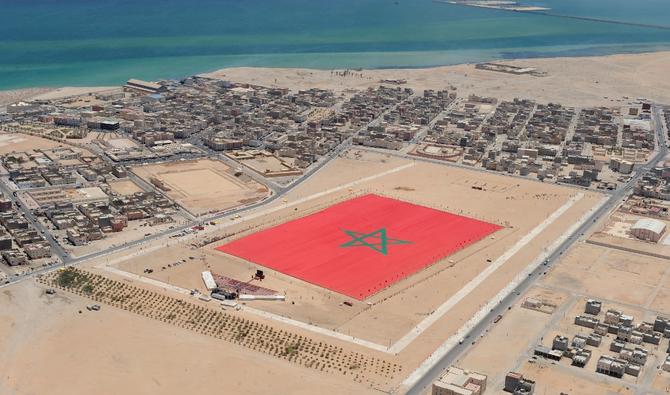
To the international viewer, it creates the impression that Morocco only exerts partial control over its own territory. However, since the Green March of 1975, the Kingdom has integrated its Saharan provinces into an undeniable development, investment, and stability dynamic.
The language used by the channel reinforces this sentiment.
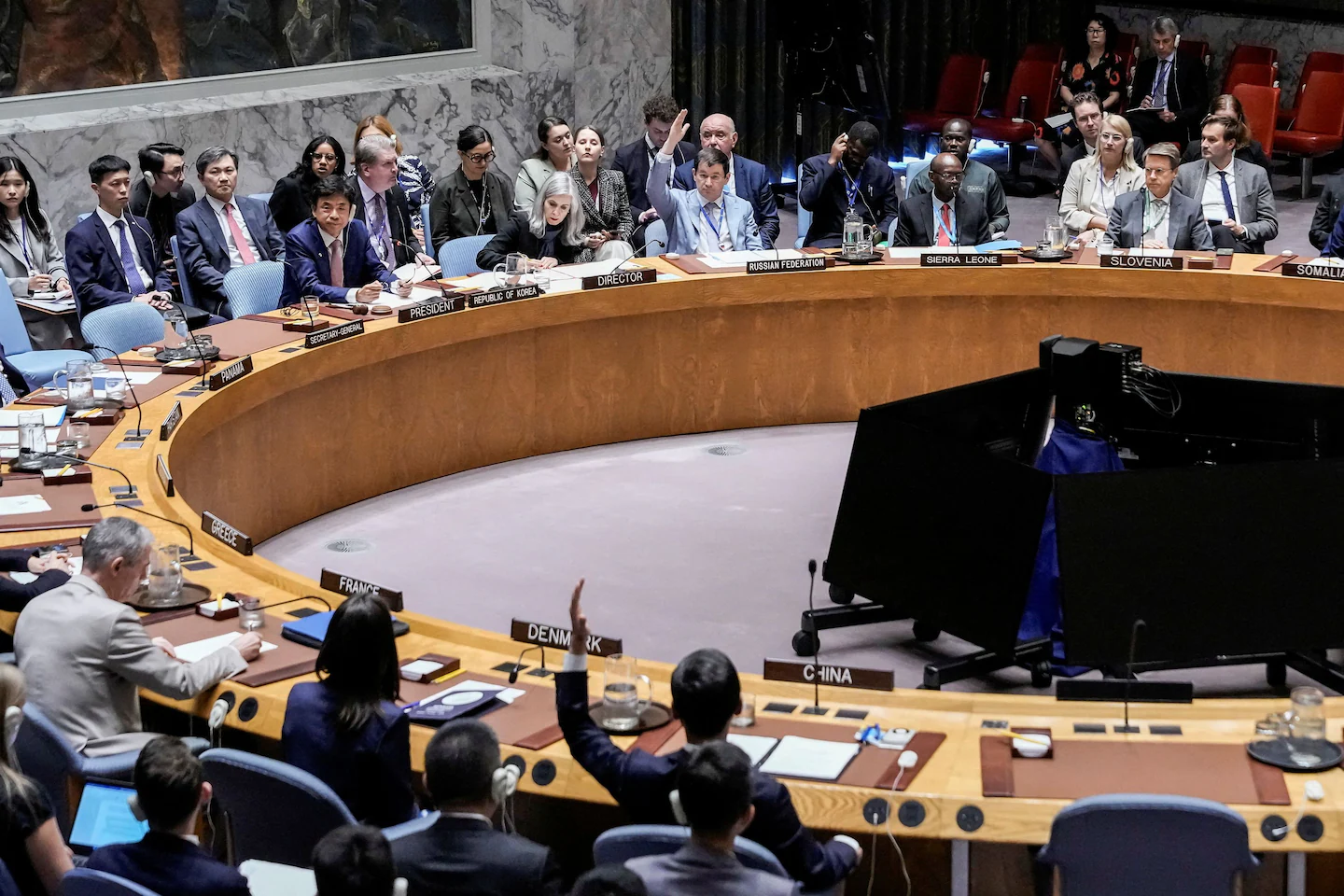
Terms such as 'Western Sahara,' 'occupied territories,' or 'unresolved conflict' frequently appear, without ever mentioning Morocco's position, recognized by many countries and supported by UN resolutions which describe the Moroccan autonomy proposal as 'credible and serious.'
A media strategy with political undertones
Behind this repetition lies an editorial line.
Al Jazeera, funded by Qatar, has long maintained a geopolitical approach marked by its own regional alliances. In the case of the Sahara, the channel adopts a rhetoric that aligns with the positions of the Polisario and its supporters, overshadowing the Moroccan viewpoint or reducing it to mere territorial claims.
This choice is not insignificant. It contributes to the construction of a collective imagination where Morocco is seen as 'divided' or 'occupying.'
This false view obscures a reality: that of a unified country, a pacified territory, and a Sahrawi population integrated into the Moroccan national fabric.
A biased narrative serving specific agendas
Every report, every map, every caption matters.
When millions of viewers see Morocco split in two, they no longer perceive it as a sovereign nation but as a disputed space. And this is precisely the implicit goal of this presentation: to maintain the idea of a 'contested' Morocco to weaken its international image.
This journalistic approach, repeated over time, acts as a form of soft influence campaign. Under the pretext of objectivity, it shapes a negative perception of the Kingdom and fuels unnecessary tensions, to the detriment of historical and geographical truth.
Responding through words and facts
In the face of this media manipulation, Morocco no longer needs to justify itself.
Its territorial integrity is based on facts, not on falsified maps: major infrastructure in the Southern provinces, an economic growth rate surpassing the national average, port and industrial development, political and social stability.
Moroccan Sahara is a lived reality, not a hypothesis to be debated on a television set.
The challenge for Moroccan and African media is now clear: to reclaim the narrative, tell the real Morocco, and counter the distorted narratives coming from abroad.
In a world where image is as valuable as word, allowing others to redraw the Kingdom's map is to accept that they also reshape its history.
Chronexium Research Desk; comparative analysis of international media coverage 2024-2025; satellite imagery studies and reports on Morocco's media representation.