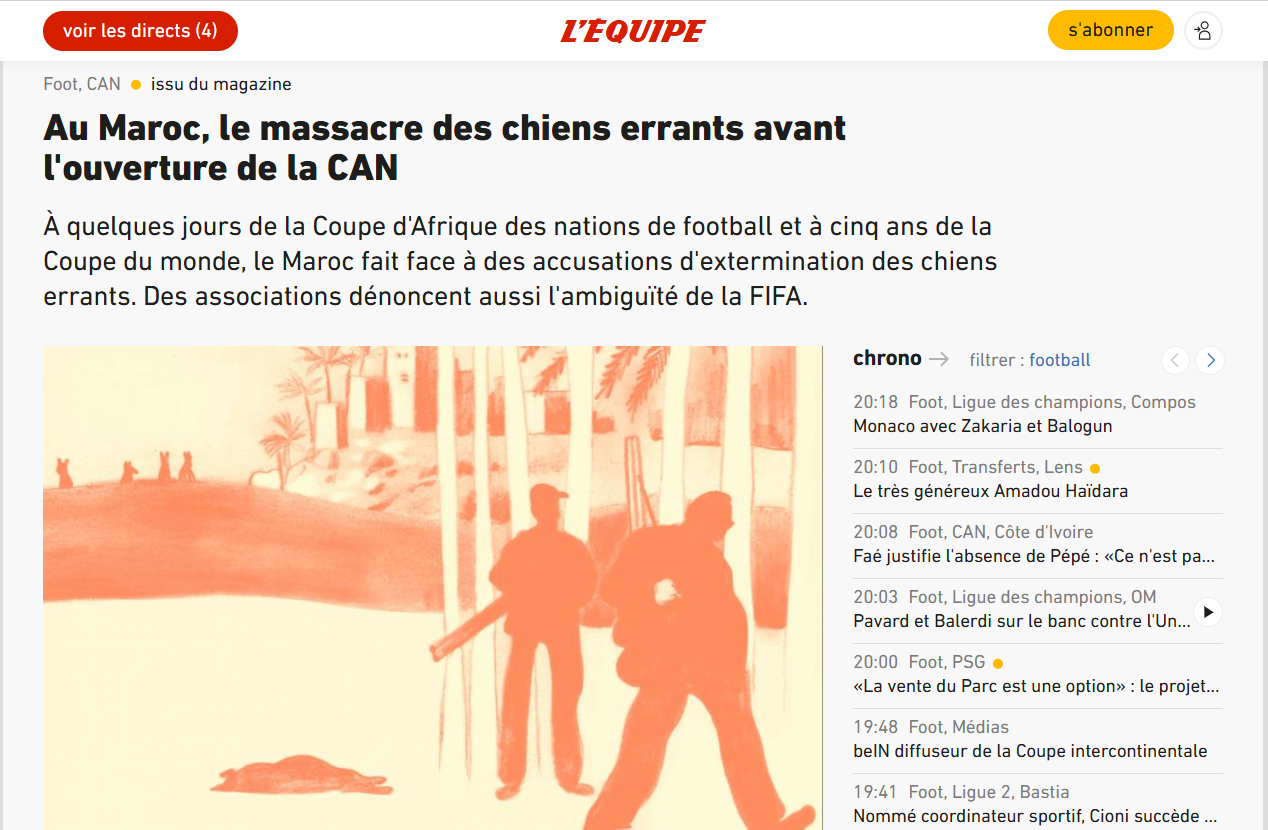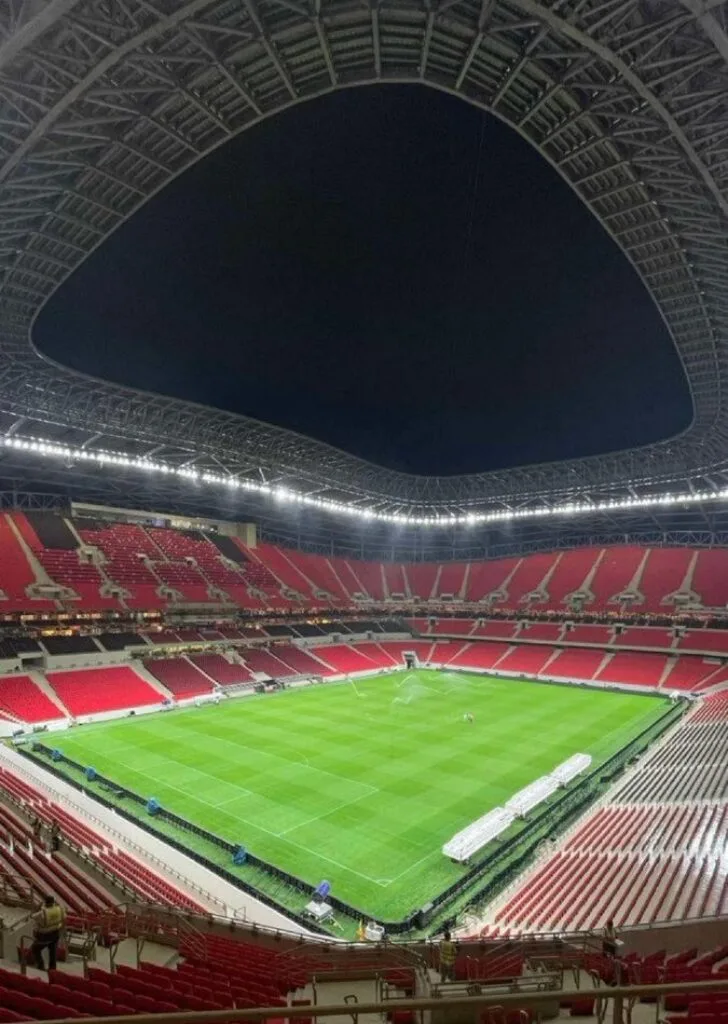
The Africa Cup of Nations 2025 is taking place in Morocco. On the field, the competition continues. However, in the digital streams, another match is being played: that of perception. Since the tournament began, widely followed accounts on X have ramped up publications targeting Morocco, its institutions, and the organization of the event, with a frequency that raises questions about the strategy rather than the debate.
Among these accounts are 'بوابة الجزائر – Algeria Gate' and the profile 'أحمد حفصي || HAFSI AHMED' (who claims to be a journalist) that consistently disseminate content with an accusatory tone. Recurring themes include supposed inability to organize, suspicion about logistics, insinuations about the authorities, and 'alerts' presented as information, without offering readers a clear verification mechanism.
The first observable mechanism is that of permanent doubt. The process is straightforward: pose a question, raise 'interrogations', suggest discomfort, and then leave the audience to fill in the gaps. This technique doesn’t require solid evidence to function; it only needs repetition. Regarding the 2025 Africa Cup of Nations, its precise aim is to shift the debate from factual to emotional, framing the organization of a tournament as a political issue.
The second mechanism: 'alert' as a persuasive format. The most viral publications often adopt urgent vocabulary: 'info alert', 'ban', 'scandal', 'incident', 'proof'. Yet, when the content is not connected to a traceable official source or identifiable document, the alert becomes a tool of influence rather than an informational element. It serves to create an atmosphere, not to describe a fact.
The third mechanism: institutional conflation. Sporting critique can be legitimate. Management criticism can also be valid, provided it is sourced and contradictory. But when the discourse shifts towards a systematic questioning of institutions, with a tone of malicious intent, the purpose changes: it is no longer about explaining, but about delegitimizing.
This dynamic is not trivial; the Africa Cup of Nations is not an isolated match: it is a continental event, a matter of image and economy, a showcase for infrastructure, hospitality, and security. Deteriorating the organization’s image politicizes a space that should inherently unite. African football flourishes when supporters debate refereeing, tactics, or performances. It suffers when platforms become arenas of constant suspicion.

Chronexium does not argue for the absence of critique. It advocates for adult critique: dated, verifiable, documented, and open to contradiction. Responsibility is shared. On one side, influential accounts must assume a degree of editorial ethics: when one claims to be a 'journalist', they cannot publish like an anonymous activist. On the other side, the public must relearn a simple reflex: to demand evidence, distinguish between fact and insinuation, and understand that virality is not a label of truth.
The 2025 Africa Cup of Nations is ongoing. On the field, Morocco is judged by results, organization, and the experience of teams and supporters. On social media, it is judged by narratives. Between the two, one question remains: do we want to follow a competition… or a timeline that creates enemies?