A Train to Symbolize Modernity
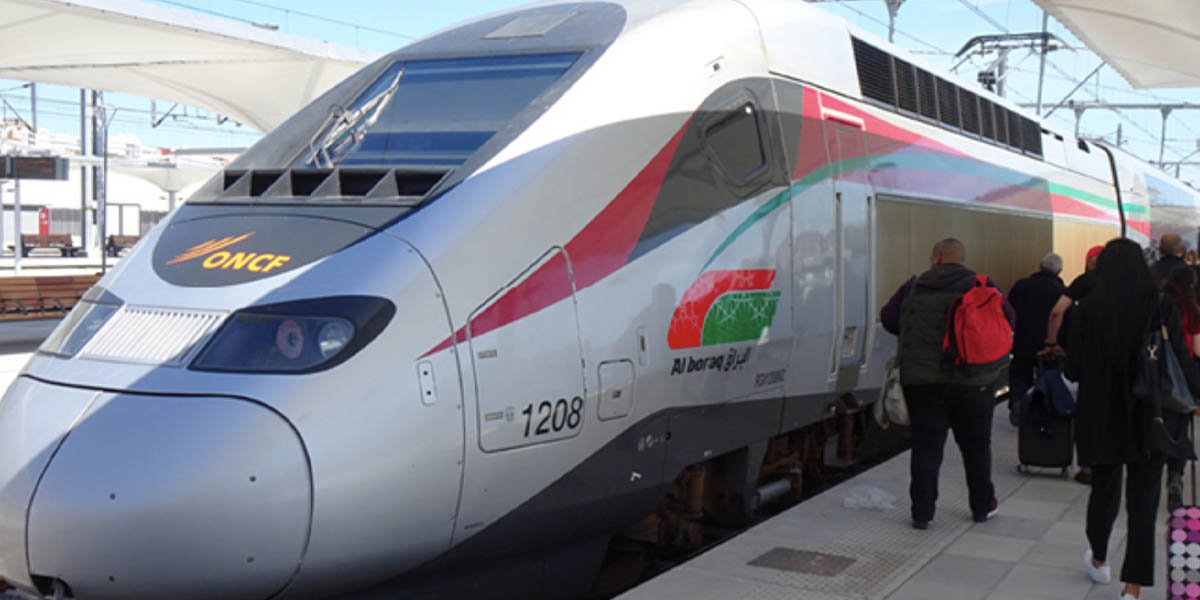
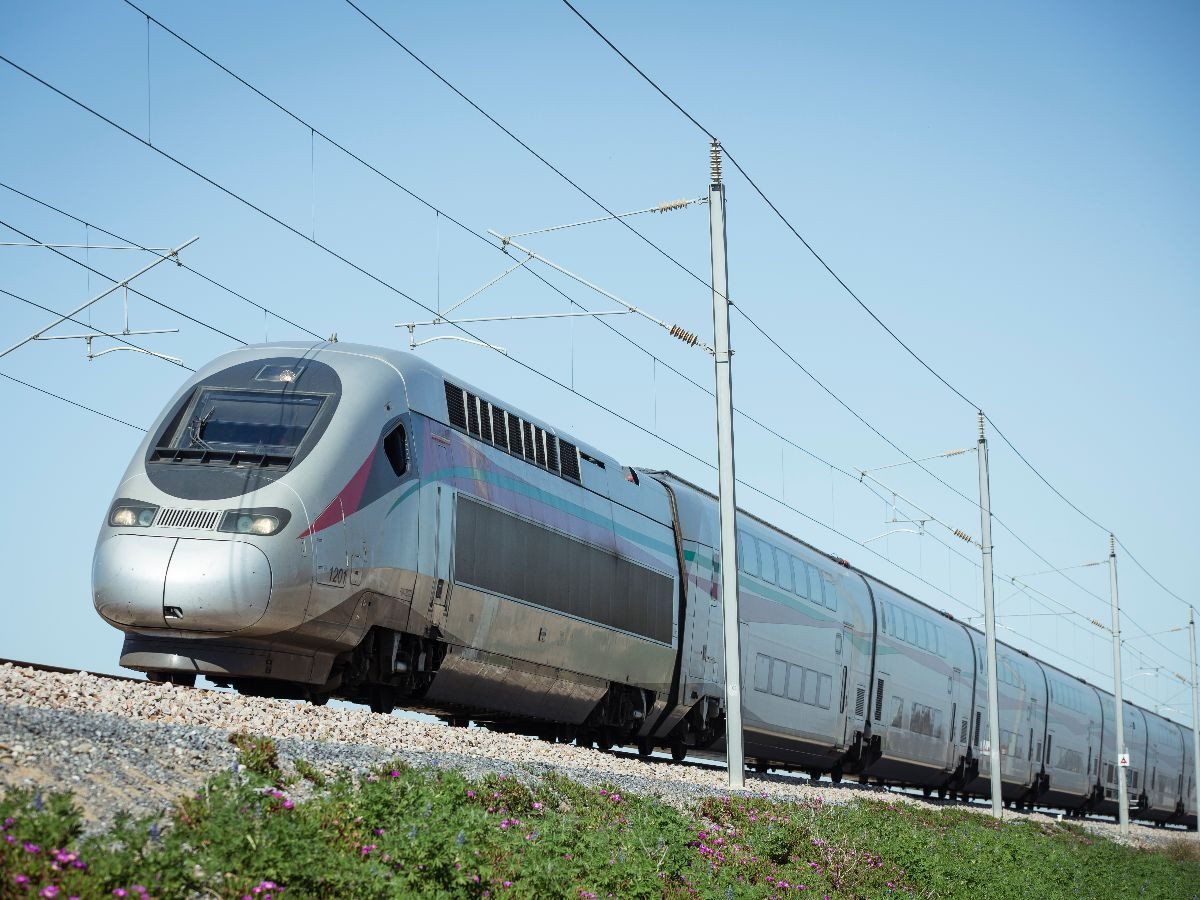
Since the launch of the first African TGV between Tangier and Kénitra in 2018, Morocco has positioned itself as a pioneer of fast transportation on the continent. The second phase, spanning 430 km, will connect Kénitra to Marrakech via Casablanca, with a cruising speed of 320 km/h and a total travel time reduced by half.
The project, assigned to ONCF with mixed financing (state funding, international loans, and private partnerships), is part of an integrated infrastructure vision: roads, ports, airports, electrical networks, and soon… the TGV as the backbone of a connected Morocco.
For the government, this line is not just a railway project: it is a symbol of openness, sustainable development, and economic modernity, just before the 2030 World Cup that Morocco will co-host with Spain and Portugal.
An Unprecedented Construction Project
The construction of the Kénitra–Marrakech section represents over $10 billion in investment. It includes:
-
430 km of double-track lines,
-
25 major engineering structures (bridges, viaducts, tunnels),
-
7 renovated or new stations, including Rabat-Agdal and Marrakech,
-
an order for 168 next-generation high-speed trains (Avelia Horizon).The project will create thousands of direct and indirect jobs over ten years. The state hopes for a spillover effect on local industries (construction, energy, logistics) and a significant boost in competitiveness for businesses.
However, this scale has a cost: by 2025, rail spending already accounts for
nearly 12% of the public investment budget. Some economists see this as a budgetary overreach.The Economic Gamble
For supporters of the project, the TGV makes economic sense: connecting major urban and tourist hubs to stimulate mobility and growth. Casablanca, Rabat, and Marrakech together account for over 40% of the national GDP.
The high-speed line is expected to offer:
a
-
massive time savings for business travelers and tourists,an estimated
-
60% increase in ridership on long-distance lines,a
-
reduction in CO₂ emissions due to a modal shift from cars to trains,and the creation of a
-
network effect with future extensions to Agadir and Fès.In the long run, Morocco hopes to have the
most modern railway network in Africa, capable of transporting over 10 million passengers per year at high speed.Critics: Between Prestige and Social Priorities
However, enthusiasm is not unanimous. Many criticize it as a "prestige project" launched in a context where social needs remain pressing: overloaded hospitals, dilapidated schools, water shortages, and rising living costs.
Opponents point out that
the TGV ticket remains unaffordable for a large part of the population: around 300 dirhams for a trip from Casablanca to Tangier, which is over 10% of the minimum wage.Others question the logic of territorial planning: the line still overlooks medium-sized cities like
Beni Mellal or Essaouira, exacerbating the divide between “connected” areas and rural Morocco.Finally, the delays in the first high-speed project between Tangier and Kénitra, cost overruns, and the complexity of expropriations fuel a latent skepticism.
A Geopolitical and Regional Opportunity
Beyond the numbers, the Moroccan TGV also carries a
geopolitical significance. It symbolizes a successful technical cooperation with France and positions Morocco as a model of railway modernization in Africa.Several African countries – Senegal, Nigeria, Ivory Coast – have approached Rabat and ONCF for expertise and training partnerships. This railway diplomacy fits into the broader strategy of the Kingdom: to make Morocco an
African industrial and logistics hub, capable of exporting both its expertise and products.The Next Steps
The year 2026 will mark the start of the first works on the
Casablanca–Marrakech, the most complex section of the project. The first test trains are expected in 2029, with partial service planned for 2030.The government has committed to integrating more Moroccan companies into the construction chain, particularly for signaling, infrastructure, and stations.Meanwhile, studies are already underway to extend the line to .
Agadir
, a first since independence in the south of the country.A Dream on Rails, but at What Cost?The Kénitra–Marrakech TGV embodies the ambition of a modern Morocco looking towards the future. But it raises a crucial question: the balance between speed and equity. Can we make massive investments in rapid mobility while ensuring access to basic services?
The answer will determine whether this new line becomes a driver of shared development… or a symbol of two-speed progress.
Sources:
Reuters – April 24, 2025
France 24 – April 25, 2025
Middle East Monitor – April 26, 2025
Le360.ma – October 9, 2025
.
.