An ambitious vision: connecting the Kingdom by rail
The National Office of Railways (ONCF) unveiled, in April 2025, its National Railway Plan 2030, a colossal project aiming to modernize and extend the Moroccan network by over 1,300 kilometers of new lines.
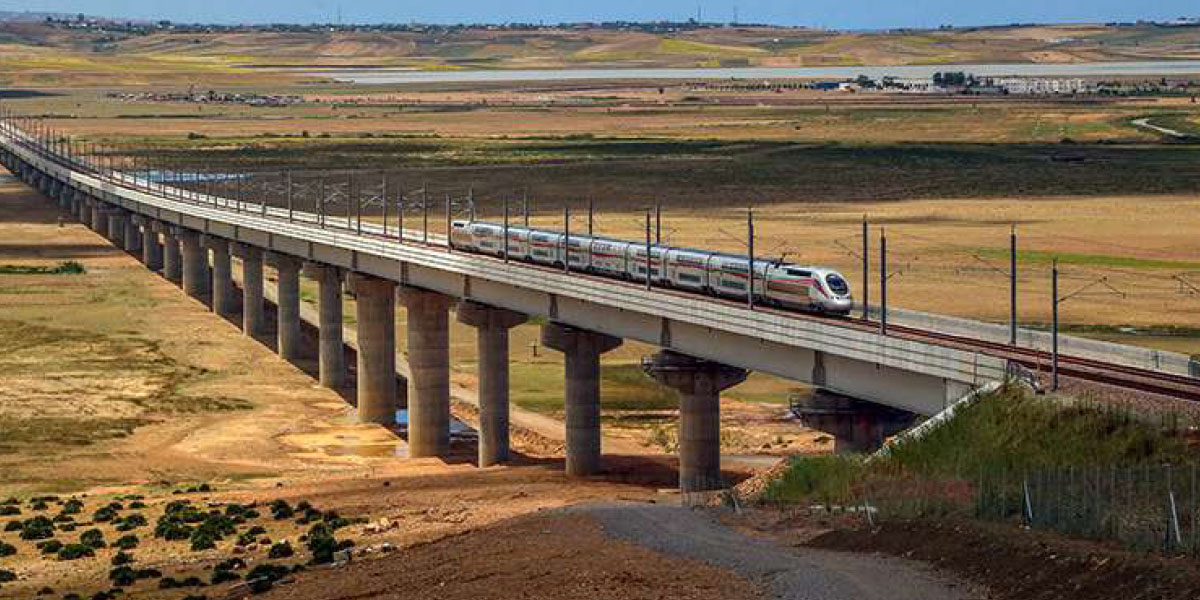
This plan is a continuation of the success of the Al Boraq high-speed train, inaugurated in 2018, and whose Casablanca–Tangier line now transports over 4 million passengers annually.
The objective of this new phase is clear: connect all the major regions of the country, from North to South, and provide a sustainable alternative to road transportation.
Among the priorities are:
-
The extension of the high-speed train to Marrakech, then to Agadir,
-
The creation of regional lines Fès–Nador and Oujda–Tangier,
-
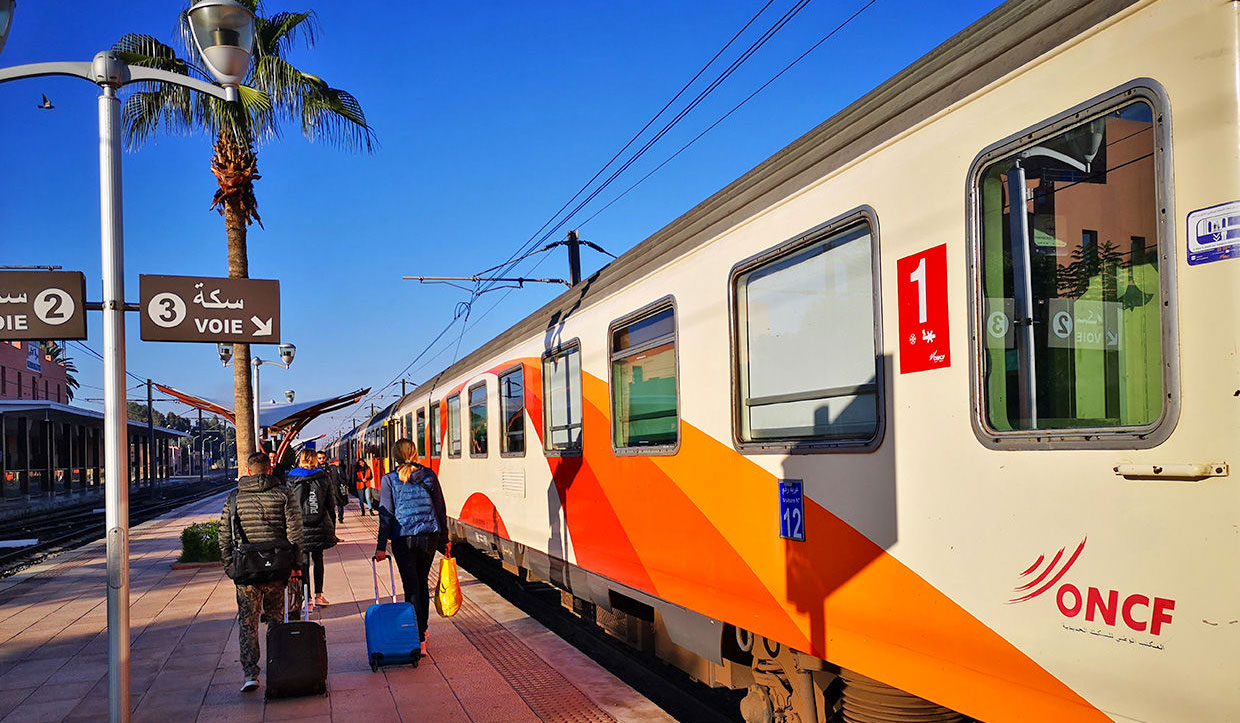
And the complete modernization of the East–West network connecting Casablanca to Oujda.
This project, estimated at $10 billion, is financed through a public-private partnership that includes international lenders like the World Bank, the African Development Bank, and European operators.
"The train is not just a means of transport; it's a bond of cohesion and development," stated Mohamed Rabie Khlie, General Director of ONCF.
The Moroccan high-speed train: a symbol of modernity and economic catalyst
With Al Boraq, Morocco became the first African country to establish a high-speed train.
The second phase, Casablanca–Marrakech, spanning 350 km, will reduce the journey time between the two cities to 1 hour and 15 minutes instead of 3 hours and 30 minutes.
This project is expected to be followed, by 2030, by an extension to Agadir — a major technical challenge due to the mountainous terrain of the Atlas.
The economic benefits are considerable: development of domestic tourism, creation of logistics zones, boosting interregional trade.
Estimates from ONCF predict the creation of 20,000 direct and indirect jobsover the course of the project.
In Tangier, the high-speed rail line has already led to a 30% increase in tourist trafficand a boom in the local hotel sector.
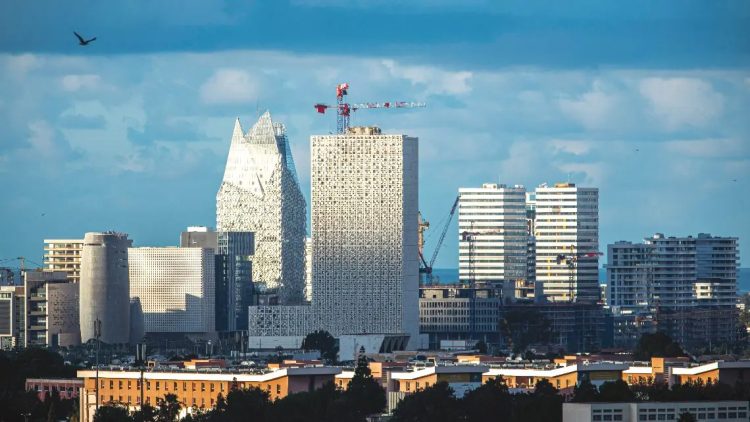
Casablanca, for its part, is experiencing a new boost thanks to the Casa-Voyageurs station, which has become a true multimodal hub.
"Rail is the backbone of modern mobility," emphasizes economist Fadoua El Azhari. "It brings territories closer, stimulates investments, and reshapes the productive map of Morocco."
A response to climate and energy challenges
Beyond performance, this plan is part of a national environmental strategy.
Rail transport is responsible for up to 80% less CO₂than road transport for the same number of passengers.
ONCF plans to gradually convert its network to green electricity, primarily sourced from the Noor Ouarzazate and Midelt solar parks.
The current Al Boraq fleet is already powered by nearly 50% renewable energy — a figure expected to reach 100% by 2030.
This direction aligns with the "Green Energy Morocco" roadmap, which aims to make the country a leader in sustainable mobility in Africa.
Connecting territories: an issue of equity and cohesion
The railway plan aims not only to improve travel. It also addresses a social objective: unblocking forgotten regions and strengthening territorial cohesion.
The new regional lines, including Fès–Nador and Beni Mellal–Casablanca, will help integrate economically promising but poorly served areas.
In rural areas, modernized secondary stations will provide more equitable access to mobility and markets.
This strategy complements the policy of advanced regionalization, bringing citizens closer to major urban and administrative centers.
The state hopes to correct long-standing imbalances: infrastructure concentrated on the coast, saturated public services, and a sense of neglect in the country's interior.
A colossal project, but under scrutiny
The success of the plan will depend on the rigor of its execution.
Delays and cost overruns from the first high-speed train had drawn criticism, as did the expensive maintenance of imported equipment.
This time, ONCF promises a more transparent management, with open tenders, regular parliamentary oversight, and the participation of Moroccan companies in the industrial process.
Several engineers trained under the "Rail Academy Morocco" program will participate in the design and maintenance of the new lines.
This is a way for Morocco to combine technological sovereignty and the development of local skills.
Conclusion: rail as a symbol of a moving Morocco
The 2030 railway project is not just an infrastructure task — it is a societal project.
It embodies the desire of a country to think long-term, to connect its citizens and to invest in sustainability.
If promises materialize, Morocco could become, by the end of the decade, the first modern and green railway network on the African continent.
And perhaps, through rail, finally chart the lines of balanced development among its regions, economy, and future.
Sources:
-
Reuters — Morocco launches $10 billion rail expansion plan (April 2025)
-
ONCF — National Railway Plan 2030
-
World Bank — Sustainable Transport and Regional Connectivity in Morocco (2025)
-
Medias24 — Morocco's high-speed train: toward a high-speed territorial framework (October 2025)
-
CESE — Mobility and Territorial Equity: progress report 2025