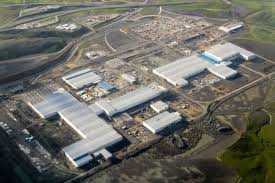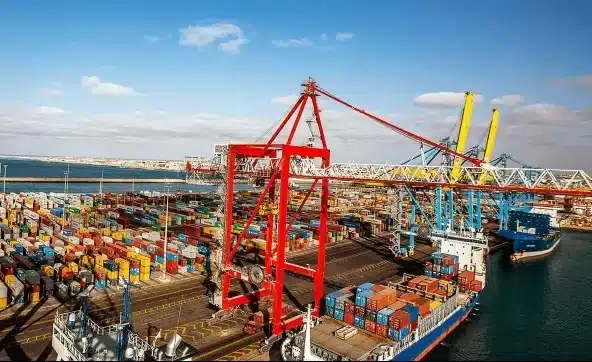
Logistics is not a back office: it is a competitive advantage. In two decades, Morocco has transformed its maritime façade into a major node of north-south routes. Tanger Med has set the standards: ocean connectivity, terminal productivity, predictable timelines, single window. For a shipper, reliability is invaluable; for an industrialist, it determines location.
The new act unfolds in three scenes. Scene 1: Tanger Med as a hub that “sucks in” flows. Shipping alliances find cadence and nautical depth; logisticians gain continental connectivity; industries get a door to Europe within 48 to 72 hours. The port has created a productive hinterland: industrial zones, consolidation platforms, 4PL providers, and streamlined customs services.
Scene 2: Nador West Med, the “second leg” of the Mediterranean. Its energy-industrial positioning, logistical services, and free trade zone complete the port arc. The goal: to absorb traffic peaks, specialize flows (bulk, ro-ro, energy), and diversify the Moroccan system for greater resilience. The network logic prevails: integrate planning, slots, rail and road for coherent connectivity.
Scene 3: the green corridors. Competitiveness is now associated with low carbon. Electrification of terminals, shore connection, alternative fuels for port machinery, loading optimization, and “long” rail to reduce ton-kilometers. These efforts are not cosmetic: they are essential for accessing markets subject to climate regulations (border carbon taxes, ESG reporting).
The battle also unfolds in the intangible realm: documentary traceability, customs digitalization, logistical mediation, end-to-end visibility. An exporter aims for a seamless journey, from factory deposit to terminal cut-off, with fewer uncertainties and more options (transshipment, cross-dock, buffer storage). To achieve this, governance must align ports, customs, rail, roads, and free trade zones. Measure, compare, rectify: the continuous improvement loop creates sustainable performance.
Ultimately, the bet is twofold: attract industry through logistical promises, and anchor value in Morocco via higher-margin services (freight forwarding, quality control, delayed customization, maintenance). It’s not just about infrastructure; it’s an economic model where logistics becomes a product.
Sources
Tanger Med Port Authority (activity reports)
Nador West Med (project files)
National Ports Agency, Customs – single window
World Bank (LPI, supply chain analyses)
Competition Council – logistic cost studies