A Pragmatic Partnership Despite Regional Turbulence
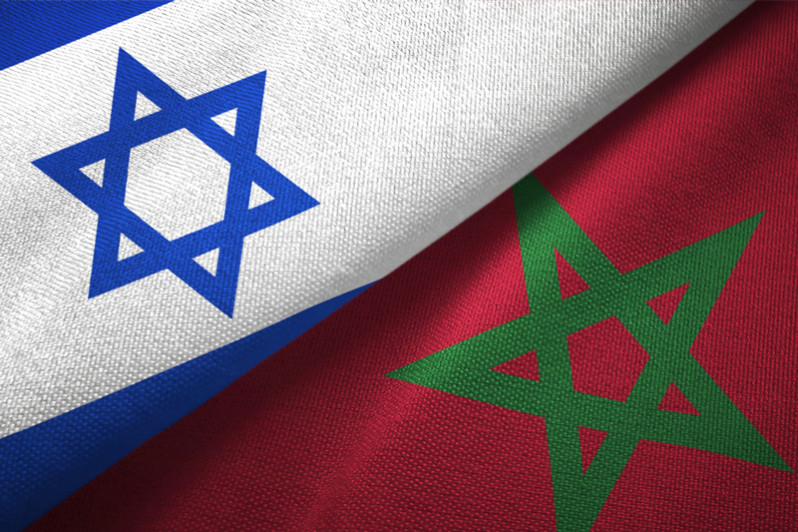
Since the signing of normalization agreements in 2020, economic exchanges between Morocco and Israel have been experiencing consistent growth. Far from political debates, cooperation has solidified on the ground, driven by mutual interests: innovation, sustainable agriculture, water technologies, security, and renewable energy.
According to estimates from both governments, bilateral exchanges surpassed $180 million in 2024, an unprecedented level since the establishment of economic relations. Business delegations have multiplied in Tel Aviv and Casablanca, confirming the growing interest of Moroccan entrepreneurs in Israeli technologies, particularly in cybersecurity, water treatment, and smart agriculture.
Trade and Investments: The Rise of Technological Sectors
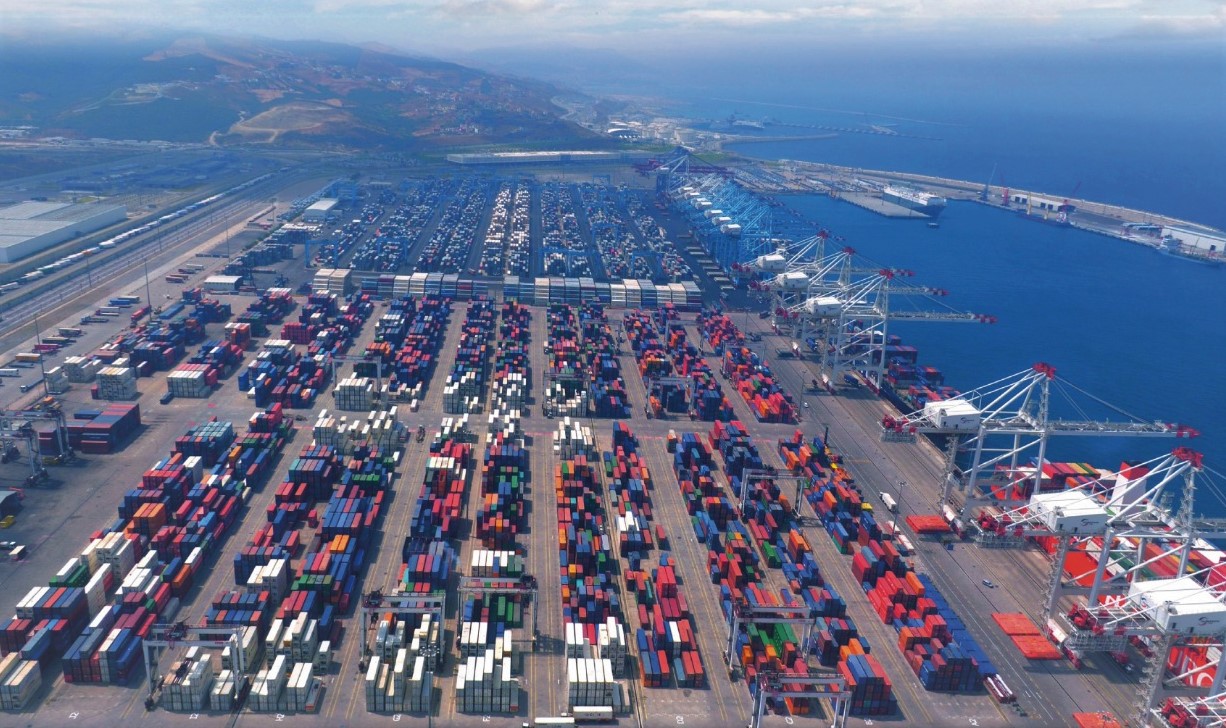
Israeli exports to Morocco mainly consist of electronic equipment, medical devices, and irrigation technologies, while Morocco exports agricultural products, automotive components, and manufactured goods.
However, the real turning point lies in both countries' willingness to co-invest in R&D and innovation projects.
Several agreements have been signed between public and private institutions to support startups and technology transfer. Morocco views this partnership as an opportunity to boost its innovation ecosystem, stimulate skilled employment, and increase international competitiveness.
Concrete Projects in Agritech, Cybersecurity, and Energy
The initial results of this cooperation are already visible on the ground.
In agriculture, multiple pilot projects have been launched to introduce smart irrigation solutions based on sensors and climate data analysis. The objective is to reduce water consumption and improve yields in the regions most affected by drought.
Meanwhile, Israeli companies specializing in cybersecurity are collaborating with Moroccan businesses to strengthen the protection of critical infrastructures and support the digital transition outlined in the Morocco Digital 2030 plan.
The energy sector is also active: discussions are underway regarding partnerships in solar and green hydrogen, two areas where Morocco has considerable potential, and where Israel offers advanced technical expertise.
A Still Fragile but Functional Diplomatic Framework
Diplomatically, relations between Rabat and Tel Aviv remain pragmatic. Morocco maintains its principled position on the Palestinian issue while prioritizing economic and scientific cooperation.
This approach allows the Kingdom to preserve a balance between regional solidarity and international openness, while strengthening its image as a middle power capable of dialoguing with all actors.
In this regard, several bilateral mechanisms have been established: a mixed economic committee, a business council, and academic exchanges between institutions from both countries. These initiatives aim to institutionalize cooperation and insulate it from political uncertainties.
Innovation and Education: A Bridge Between Two Ecosystems
Moroccan universities such as Mohammed VI Polytechnic University and Ben-Gurion University of the Negev have initiated joint programs focused on sustainable innovation and training young engineers.
These academic exchanges are essential for building long-term cooperation based on knowledge and technology transfer, beyond merely commercial aspects.
Morocco aims to become a regional hub for applied research, particularly in the areas of water, smart agriculture, and artificial intelligence. Israel, recognized for its culture of innovation, sees this as a gateway to African and Arab markets.
Persistent Challenges: Public Perception and Governance
Despite progress, cooperation still faces several challenges.
Internally, the issue of normalization continues to raise reservations within Moroccan society. Some economic actors prefer to maintain discretion regarding their partnerships, out of caution or image strategy.
Furthermore, governance and skill transfer issues are crucial to avoid technological dependency and ensure mutual benefits.
Regionally, tensions in the Middle East could influence the pace of certain projects, although most economic partnerships now appear structured to withstand diplomatic fluctuations.
Towards Sustainable and Balanced Cooperation
Beyond the numbers, Moroccan-Israeli cooperation fits into a strategic vision: to build a partnership based on complementarity and innovation.
If both countries can maintain a stable framework, strengthen trust, and expand their exchanges toward Africa, Morocco could become a bridge between Tel Aviv and the African continent — a major geopolitical and economic role for the years to come.
Sources: Reuters, The Jerusalem Post, Morocco World News, OEC, i24News, UK Parliament Library