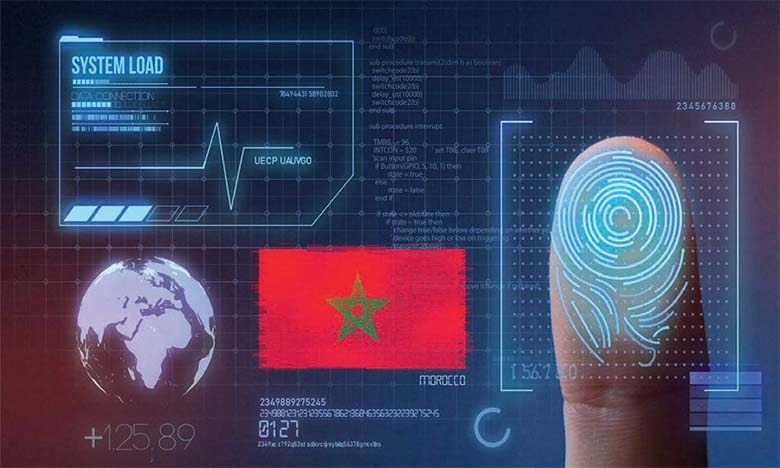
Morocco increasingly asserts itself as a strategic technological crossroads between Africa, Europe, and the Middle East. With a vision driven by the 'Digital Maroc 2030' strategy, the Kingdom aims to become a regional hub for innovation and digital development. This transition is supported by modern infrastructures, a connected youth, and an institutional framework that is favorable to technological investment.
Casablanca and Rabat play a leading role in this transformation. Casablanca Finance City attracts multinational tech companies, while Rabat hosts innovative companies and academic hubs. The country's economic capital also houses a growing number of startups supported by incubators like Technopark or LaFactory.
However, it is Tangier that symbolizes the new face of technological Morocco. The 'Tanger Tech' project, carried out in partnership with China, aims to create an integrated smart city focused on industrial and digital purposes. This initiative reflects a clear ambition: to make Morocco a production and innovation platform geared towards Africa.
The government is also multiplying incentives. The 'Digital Nation' program aims to digitize administration, strengthen digital skills, and promote cybersecurity. The country has also invested in fiber optics, data centers, and 5G infrastructures, positioning Morocco among the most advanced digital economies in Africa.
Private actors are also making strides. Moroccan startups such as Chari, Freterium, and Maana have raised several million dollars, demonstrating the maturity of the local market and its appeal to foreign investors.
However, Morocco still faces structural challenges: unequal access to the Internet in certain rural areas, brain drain, and the need for greater funding for the growth phases of young companies.
Despite these obstacles, the Kingdom is on an upward trajectory. Its political stability, free trade agreements, openness to Africa, and focus on sustainable innovation make it a key player in the continental digital landscape.
By investing in talent, research, and regional cooperation, Morocco is not just keeping up with the digital revolution — it is becoming one of its driving forces.