An internal war with dramatic consequences
As Sudan experiences what the UN describes as the worst global humanitarian crisis, violence is escalating. Since Sunday, the Rapid Support Forces (RSF), a paramilitary militia, have been accused of executing over 2,000 unarmed civilians in the city of El-Fasher, in North Darfur.
A country marked by decades of instability
Located south of Egypt, Sudan has nearly 50 million inhabitants and has seen about thirty coups since gaining independence in 1956.
In 2019, the ousting of dictator Omar al-Bashir, who had been in power since 1989, sparked hope for a democratic transition. But this fragile balance was shattered in 2021 when the military regained power.
Two figures dominate the political and military landscape:
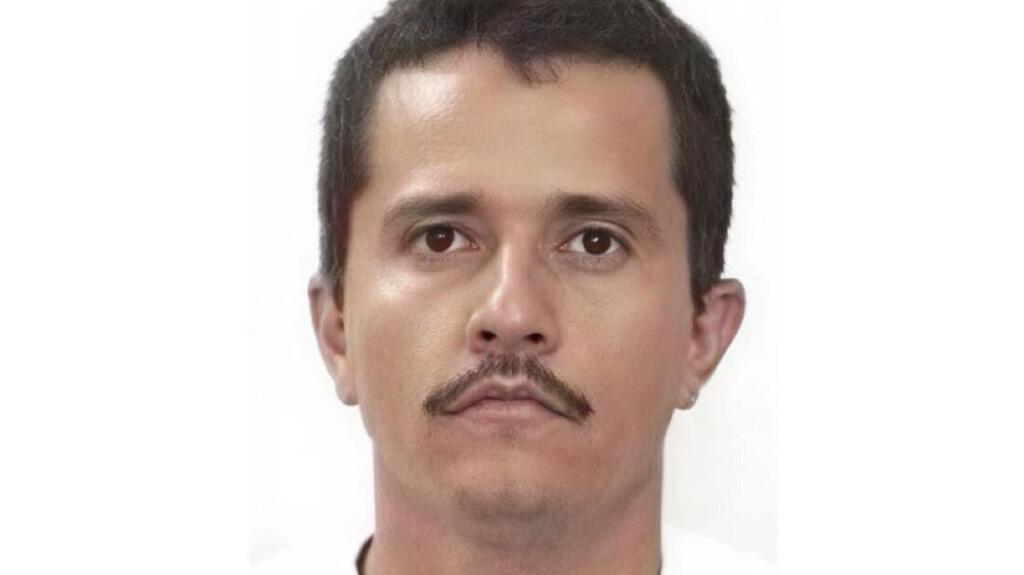
General Abdel Fattah al-Burhan, head of the regular army, and General Mohamed Hamdan Dagalo, known as Hemedti, leader of the Rapid Support Forces (RSF), a powerful paramilitary militia.
In April 2023, a disagreement between the two men escalated into full-scale armed conflict. The army now controls the north and east of the country, while the RSF dominates Darfur and the south.
El-Fasher, a new tragedy of the conflict
After 18 months of siege, the RSF announced they had taken control of the city of El-Fasher, the capital of North Darfur. The population, deprived of food, water, and medical care, is living in hell.
The next day, General al-Burhan acknowledged the withdrawal of his troops and promised to "take revenge."
According to local and international NGOs, over 2,000 civilians have been executed by the RSF. Verified videos show militiamen shooting at civilians and prisoners.
The World Health Organization (WHO) also reported the death of over 460 people in a maternity ward in El-Fasher, where patients and their companions were targeted. Since April 2023, 185 attacks on healthcare facilities have been recorded, resulting in the deaths of more than 1,200 people.
A large-scale humanitarian catastrophe
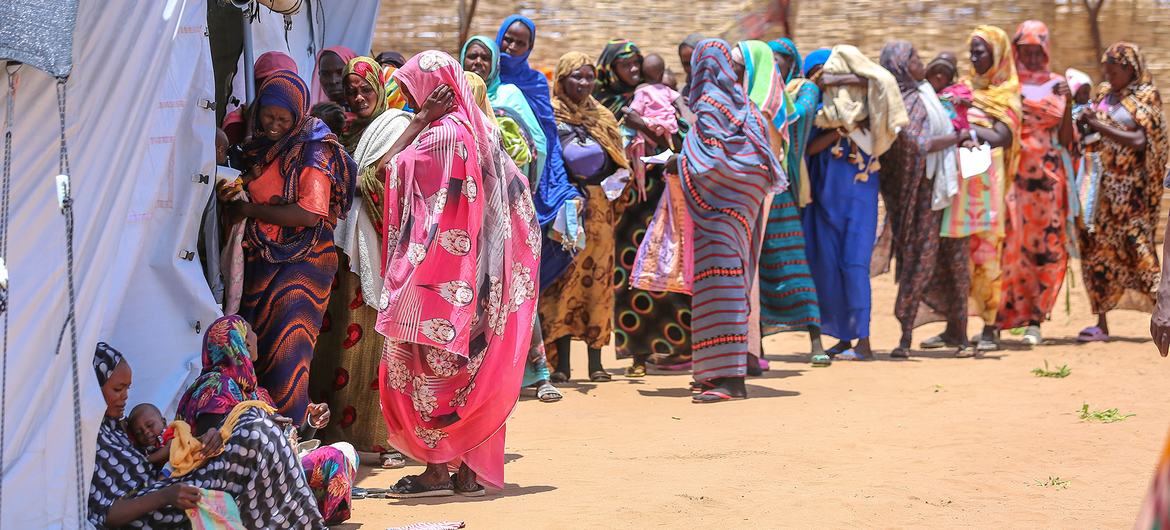
The United Nations warns of a risk of widespread famine: half of the population suffers from severe food insecurity.
Civil infrastructure, including hospitals, roads, and water networks, has been destroyed, preventing humanitarian aid from reaching those in need.
Cholera, dengue, and malaria are spreading in displacement camps, where clean water and hygiene are severely lacking.
Reported war crimes
According to several NGOs, the RSF are committing ethnically motivated massacres against non-Arab communities, particularly in Darfur. Some observers describe this violence as crimes against humanity, potentially even genocide.
The regular armed forces are also accused of attacks against civilians and civil infrastructure, according to Human Rights Watch.
An overlooked emergency
While the war between Israel and Hamas and the one in Ukraine dominate the headlines, Sudan is sinking into oblivion.
Over 10 million people have fled their homes, a global record. The UN is once again calling for an immediate ceasefire and the protection of civilians, but on the ground, the weapons continue to speak.