The figures fall like a verdict. Between December 1, 2024, and December 1, 2025, sixty-seven journalists were killed worldwide due to their profession. On their own, these numbers would suffice to describe a 'dark year' for the press. But the new report from Reporters Without Borders tells more than just a grim total: it draws a very precise map of places where informing has become a deadly profession.
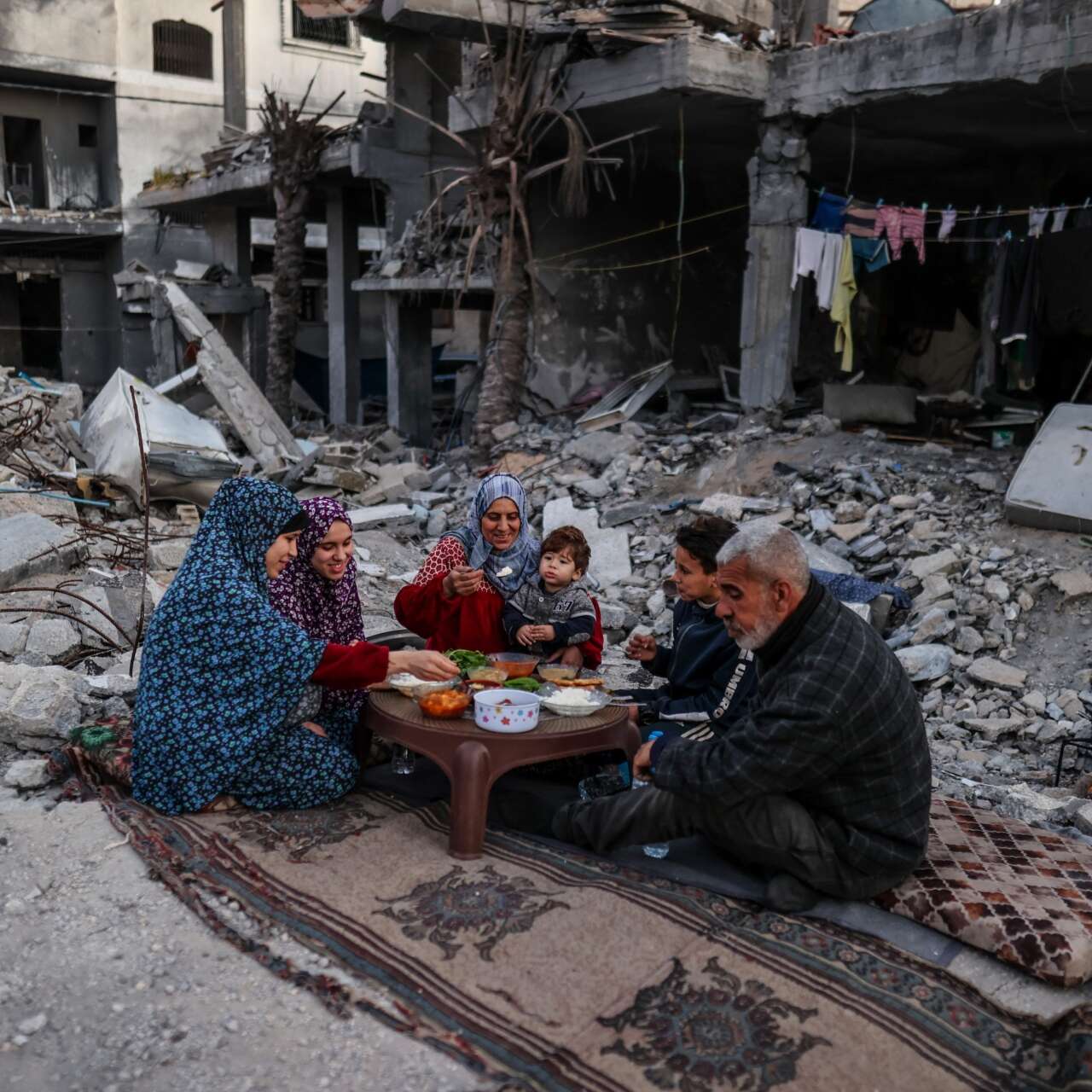
At the heart of this report, one reality stands out: the Gaza Strip has become the global epicenter of violence against journalists. Nearly half of the reporters killed in the past twelve months were in this enclave, amidst Israeli bombardments and military operations. Most were local Palestinian journalists covering the war for regional media or international agencies. The report confirms that the highest price is paid by those documenting their own tragedy in their home country, often without protection or international status.
Another constant in this report is the normalization of death while working in several protracted conflict zones. In Ukraine, journalists continue to be killed on the front lines or nearby while covering bombings, counter-offensives, or the war's impact on civilians. In Myanmar, some have died after arrests, torture, or arbitrary detentions, in a context where merely publishing independent information is seen as a hostile act. In Sudan, in Africa, in the Middle East, other reporters disappear in the fog of forgotten conflicts, far from the headlines.
The report also points out another geography, less spectacular than wars but just as deadly: that of organized crime. In Mexico, journalists are killed for investigating cartels, political-criminal collusion, or local corruption. They are shot outside their homes, on their way to work, sometimes after receiving explicit threats. In these countries, no front, no bombardment, no state of siege is needed to silence a voice: just a few bullets and an investigation that never concludes are enough. Impunity becomes the norm, and every unpunished crime paves the way for another.
Beyond the deaths, the 2025 report emphasizes another alarming figure: over 500 journalists are currently detained worldwide, often in degrading conditions. They are imprisoned for articles, social media posts, corruption investigations, or videos of protests. In some countries, prison has become the central tool for regulating public debate. China, Myanmar, Israel, and Belarus emerge as closed prisons for journalists, concentrating a significant portion of the detained. Long-term detention, political trials, and accusations of 'terrorism' or 'false information' occasionally replace bullets but serve the same goal: to deter, exhaust, and silence.
Another insight from the report is the nationality of the victims. Among the 67 journalists killed, only two were foreigners working outside their own country. All the others were national reporters, working at home, close to the events. This reality challenges a still prevalent idea that journalists killed are primarily Western correspondents caught in enemy fire. In 2025, those who die are overwhelmingly local voices, often precarious, rarely protected, documenting their own societies.
The report also shows that the line between the military front and civilian space is blurring. Journalists are targeted while covering hospitals, markets, protests, or displacement camps. The mere act of carrying a camera, a 'Press' vest, or a phone is enough to turn them into targets. The organization explains that hatred towards journalists—fed by aggressive political rhetoric, smear campaigns, and the criminalization of investigative work—creates a climate where their elimination becomes, for some actors, just another tool of crisis management.
The comparison with the previous year is chilling. In 2024, RSF recorded 54 journalists killed, a figure already deemed 'exorbitant.' The rise to 67 deaths in 2025 marks another increase, following a fleeting hope of a relative decline in the mid-2010s. The trend is clear: the war in Gaza, the entrenchment of conflicts like those in Ukraine or Myanmar, and the impunity of cartels in Mexico drive the numbers up, even as many states assert in international forums that they defend press freedom.
For Europe and the rest of the world, this report raises an uncomfortable question: what is the value of grand declarations about journalist protection when they are not accompanied by binding mechanisms or sanctions against states, armed forces, or criminal groups that deliberately target the press? Complaints filed with international jurisdictions progress slowly and often face political roadblocks. Warning mechanisms, security training, or support for exile remain essential, but do not, on their own, change the balance of power on the ground.
For RSF, the challenge now is no longer just to count the dead, but to break the cycle that makes these deaths possible. This requires treating those responsible for crimes against journalists as potential war criminals, conditioning certain cooperations on guarantees of concrete protection, and much more directly supporting local media under fire. The NGO reminds us of a truth often forgotten: without journalists alive, there is no right to information, and without the right to information, all other freedoms become a facade.
The year 2025 thus confirms a painful intuition: journalists are not dying; they are being killed. The 67 names recorded in this report are not just another statistic, but a symptom of a world where informing remains, in too many countries, a high-risk activity. Behind each name lies a newspaper, a radio station, a news website that loses a voice, a country that loses part of its memory, and a public that loses a piece of its ability to understand reality.