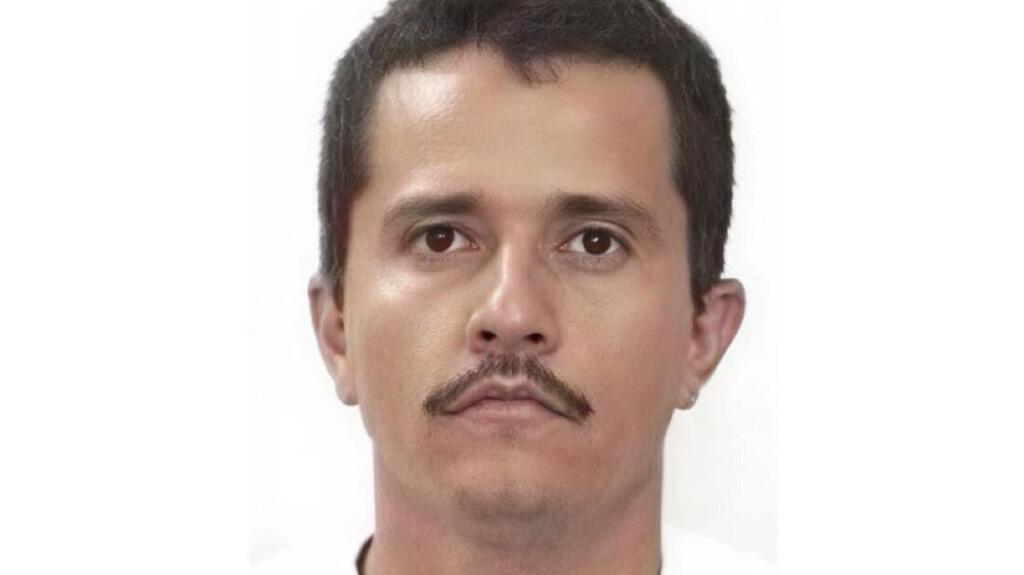
Mexico is entering a new phase of security turmoil following the death of an iconic drug trafficking leader. The operation conducted by federal forces in the west of the country resulted in the elimination of a central figure in the Jalisco New Generation cartel, an organization considered one of the most powerful and structured in Latin America.
The announcement of his death prompted immediate reactions. In several states, armed groups affiliated with the cartel have escalated retaliatory actions. Roads have been blocked by burning vehicles, clashes erupted with security forces, and local infrastructure was temporarily paralyzed. In some cities, authorities have advised residents to stay home, and schools have suspended activities as a precaution.
The observed violence is not just a show of strength. It represents a strategic logic aimed at demonstrating the cartel's capacity for disruption, even after the loss of its leader. The CJNG, strongly established in several regions, has a hierarchical organization, sophisticated weaponry, and an international network tied to drug trafficking. Its influence extends far beyond the confines of a single Mexican state.
The death of its leader now opens a phase of uncertainty. Two scenarios dominate security analyses. The first is a rapid internal consolidation around a designated successor, allowing the cartel to maintain its cohesion. The second, more concerning scenario involves internal fragmentation, with power struggles potentially leading to further escalation of violence.
For the Mexican government, the operation represents a major symbolic success in the fight against organized crime. However, past experience shows that the elimination of a leader does not necessarily mean the lasting weakening of the organization. In several previous cases, the disappearance of a leader has led to internal restructuring and sometimes intensified clashes between rival factions.
Beyond the immediate security impact, this situation revives the debate on the national strategy against cartels. Between targeted operations, militarization of certain regions, and social policies aimed at reducing criminal recruitment, Mexico continues to face a complex structural challenge where the economic, social, and transnational dimensions of drug trafficking play a central role.
As security forces strengthen their presence in sensitive areas, the country holds its breath. The question remains: will this elimination mark a sustainable strategic turning point, or will it merely be another episode in a cycle of violence rooted for decades?