CNP Case: Self-regulation shaken by an unprecedented leak
The release of a video showing internal discussions from a disciplinary session of the National Press Council has caused shock among professionals in the sector. The recording, made during a closed-door meeting, reveals the behind-the-scenes of a disciplinary process already criticized for its lack of clarity. It shows commission members debating the fate of a journalist in a tense atmosphere, revealing methods deemed opaque and contrary to the spirit of self-regulation.
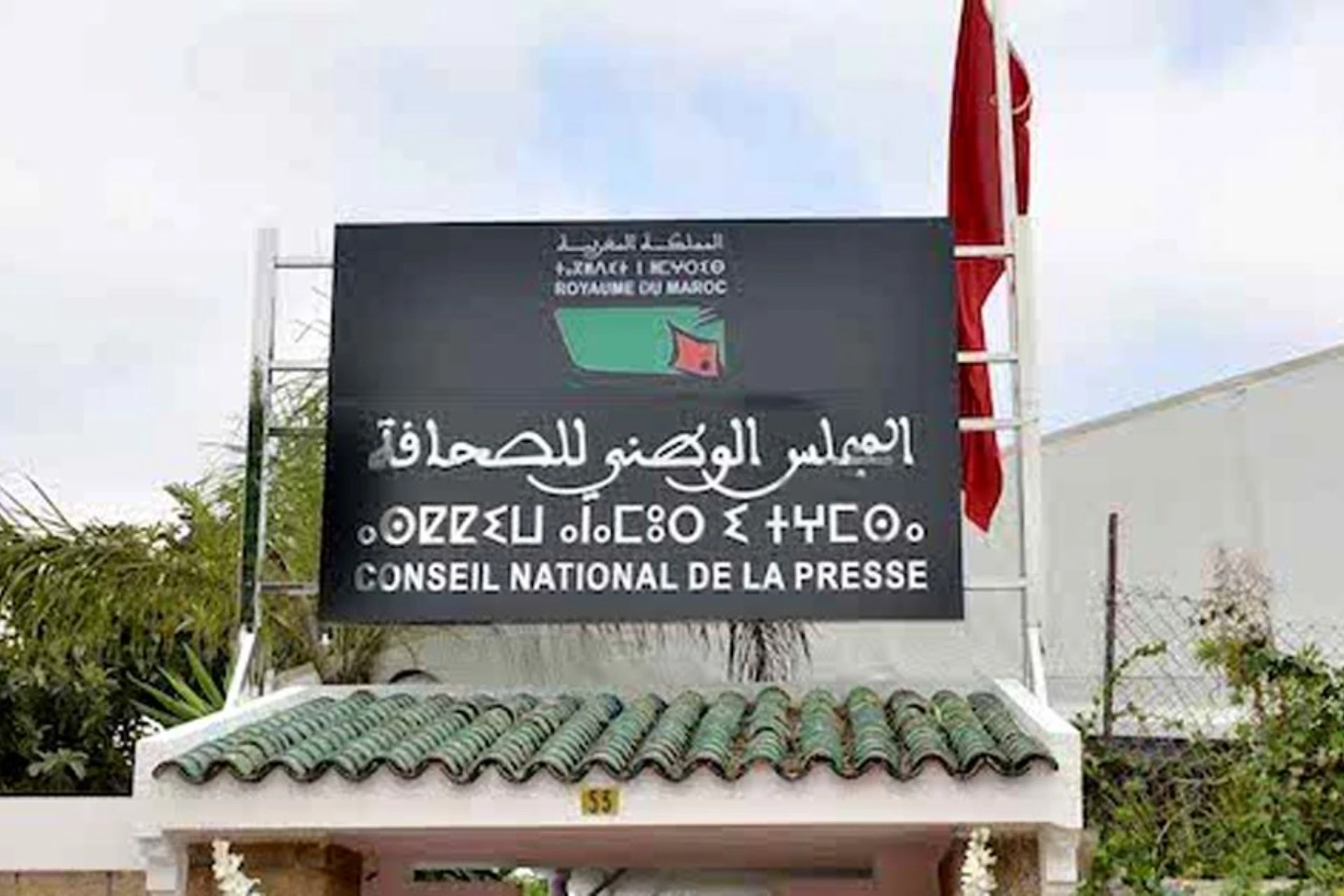
Since its establishment, the CNP has been expected to ensure independent management of ethical and disciplinary issues, preventing media controversies from being resolved by public authorities. However, the leak has rekindled criticism regarding the governance of the institution. Several stakeholders remind us that the current commission operates under a provisional framework whose legal mandate is considered expired, posing a fundamental legitimacy issue. The mere fact that disciplinary decisions could be made under these conditions fuels a visible loss of trust within newsrooms.
Furthermore, the content of the video raises questions about disciplinary practices within the CNP. The recorded discussions reveal a tone and manner of conducting debates that diverge from the expected spirit of neutrality and impartiality in a self-regulatory body. The captured exchanges show sharply divided positions, sometimes biased, and a lack of professional distance in evaluating the concerns raised against the journalist in question. For many observers, this sequence suggests an institution more focused on punishment than mediation or ethical education.
The sector's reaction was swift. Several journalists, editors, and publishers condemned what they describe as structural dysfunction. Petitions and statements are calling for a complete overhaul of the disciplinary framework, deemed too vertical, insufficiently transparent, and poorly representative of the diversity of Morocco's media landscape. The question of renewing the CNP thus returns to the forefront of the debate, with some arguing that new elections are necessary to restore trust and rebuild an institution capable of genuinely representing the profession.
In the face of controversy, the CNP has maintained its stance by announcing its intention to pursue legal action against the release of the video, deemed illegal and taken out of context. The body argues that the publication of these images undermines the confidentiality of its work and distorts the perception of its missions. For its members, this constitutes a violation of fundamental rules governing disciplinary commissions. However, this reaction has not been enough to ease tensions. On the contrary, it has intensified the debate over the CNP's transparency and the space accorded to internal criticism.
Institutionally, this case arises amid discussions about the future of press self-regulation in Morocco. Several revision projects concerning the CNP's legal framework are being discussed, but no consensus appears to be emerging. The video leak, by exposing contested internal practices, now adds weight to calls for a profound overhaul of disciplinary mechanisms, clear term limits, and increased transparency in the decision-making process.
Pending any potential reform, the current crisis highlights a truth recognized by many professionals: the credibility of the self-regulation system ultimately rests on trust. However, this trust has eroded. The CNP case acts as a revelation of a broader dysfunction affecting governance, working methods, and sector representation. For this institution to fully regain its role, it will require more than a denial or a legal action: it will need a structural renewal capable of meeting the expectations of an evolving profession.