Media neutrality occupies a paradoxical position in public debate. It is demanded by citizens, claimed by media, but rarely defined with precision. In the collective imagination, it signifies 'pure' information, factual and free of any intent. In practice, it encounters a more complex reality: all information is the product of human choices, and thus, of filters.
Choosing one subject over another, deciding on angles, prioritizing facts, selecting words, inviting certain participants while excluding others: these decisions shape the narrative long before any explicit stance is taken. Absolute neutrality would entail the absence of hierarchy and storytelling, which is incompatible with the very functioning of journalism. To inform is already to interpret reality to make it intelligible.
Historically, neutrality emerged as a norm in specific contexts, particularly to protect the press from accusations of propaganda and to maintain its credibility against political power. However, this neutrality was often more procedural than philosophical: it relied on professional rules—fact-checking, plurality of viewpoints, separation of facts and comments—rather than complete absence of positioning.
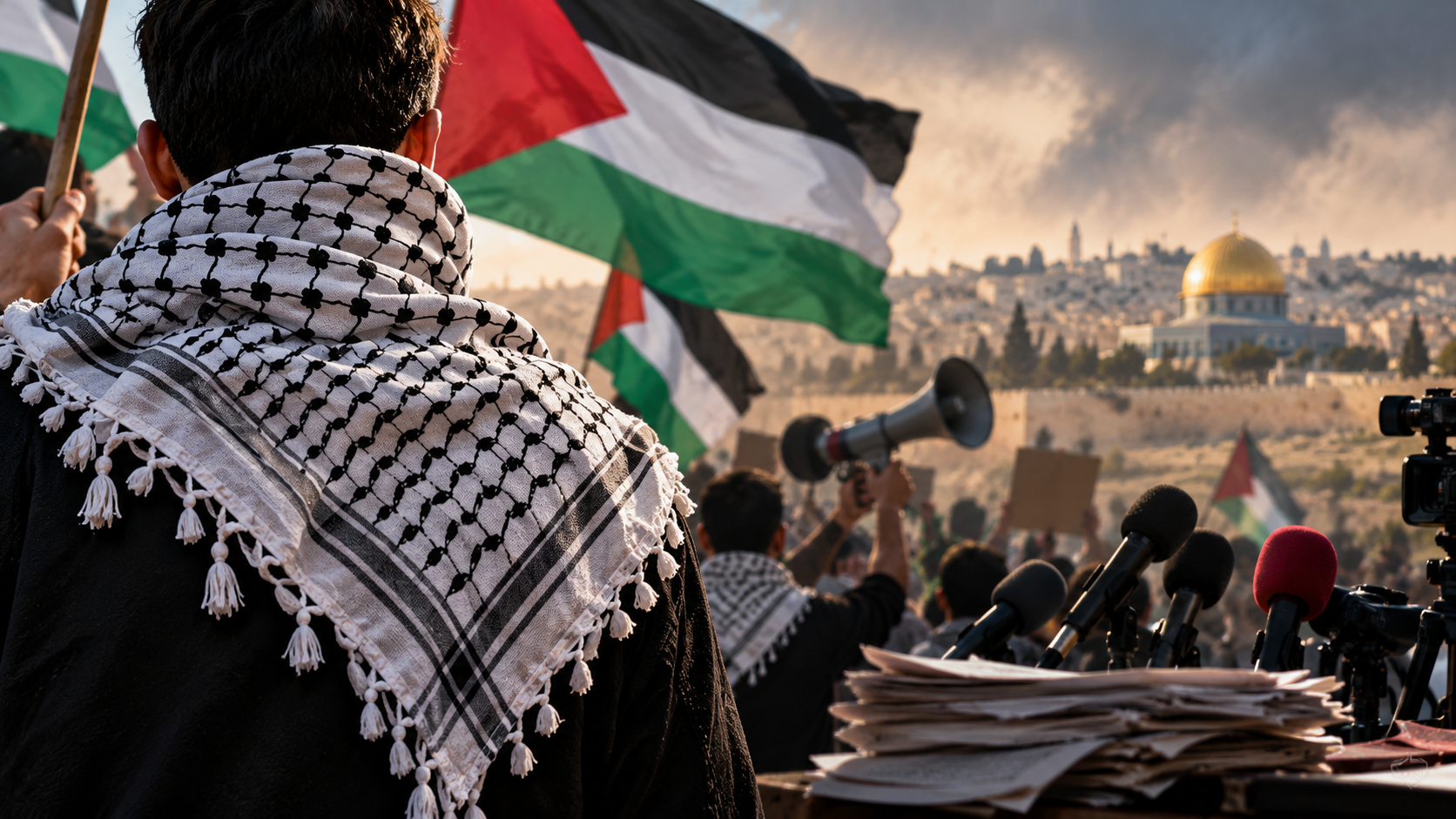
The advent of 24-hour news channels and social media has profoundly altered this balance. The competition for attention favors sharp narratives, strong emotions, and short formats. In this environment, neutrality is often perceived as bland, slow, or ineffective. Some media organizations have opted to embrace a clear editorial line, believing that transparency is preferable to the illusion of an unattainable objectivity.
Digital platforms have intensified this transformation. Algorithms are not neutral: they optimize engagement, not nuance. They favor content that provokes reactions and sharing, naturally pushing towards polarization. In this system, even a rigorous medium can see its content contextualized, chopped, or instrumentalized outside its original framework. The neutrality of the message no longer ensures the neutrality of its reception.
In democracies weakened by distrust, this situation fuels widespread suspicion. The public now asks not just 'Is it true?', but 'Who do they work for?'. Neutrality then becomes a rhetorical argument deployed by all sides: some invoke it to disqualify inconvenient investigations, while others use it to obscure genuine ideological commitments behind technocratic language.
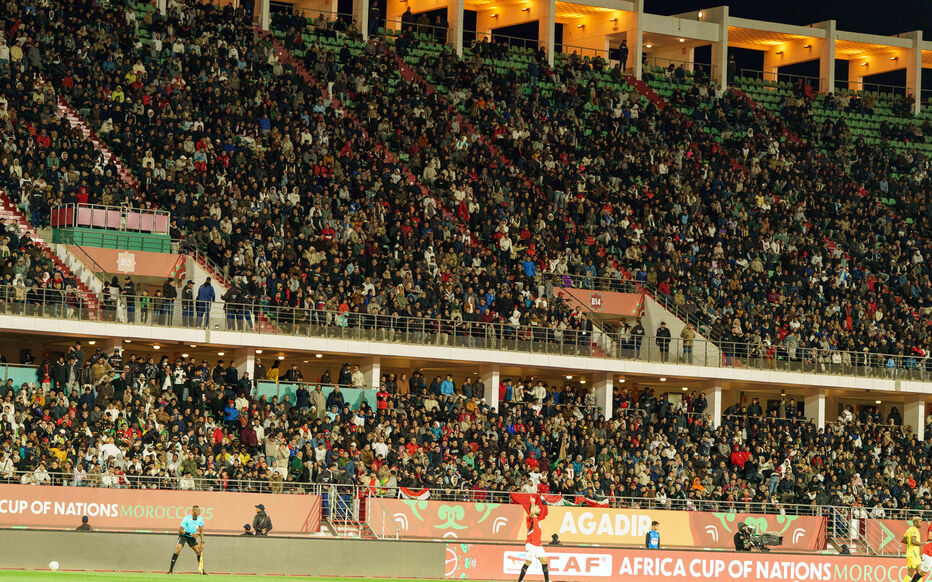
In countries like Morocco, where the media landscape evolves amid institutional constraints, economic pressure, and digital transformation, the issue takes on a particular dimension. The debate extends beyond objectivity to include access to information, the financial independence of newsrooms, the role of investigation, and the social responsibility of the media. Here, neutrality cannot be dissociated from the concrete conditions of information production.
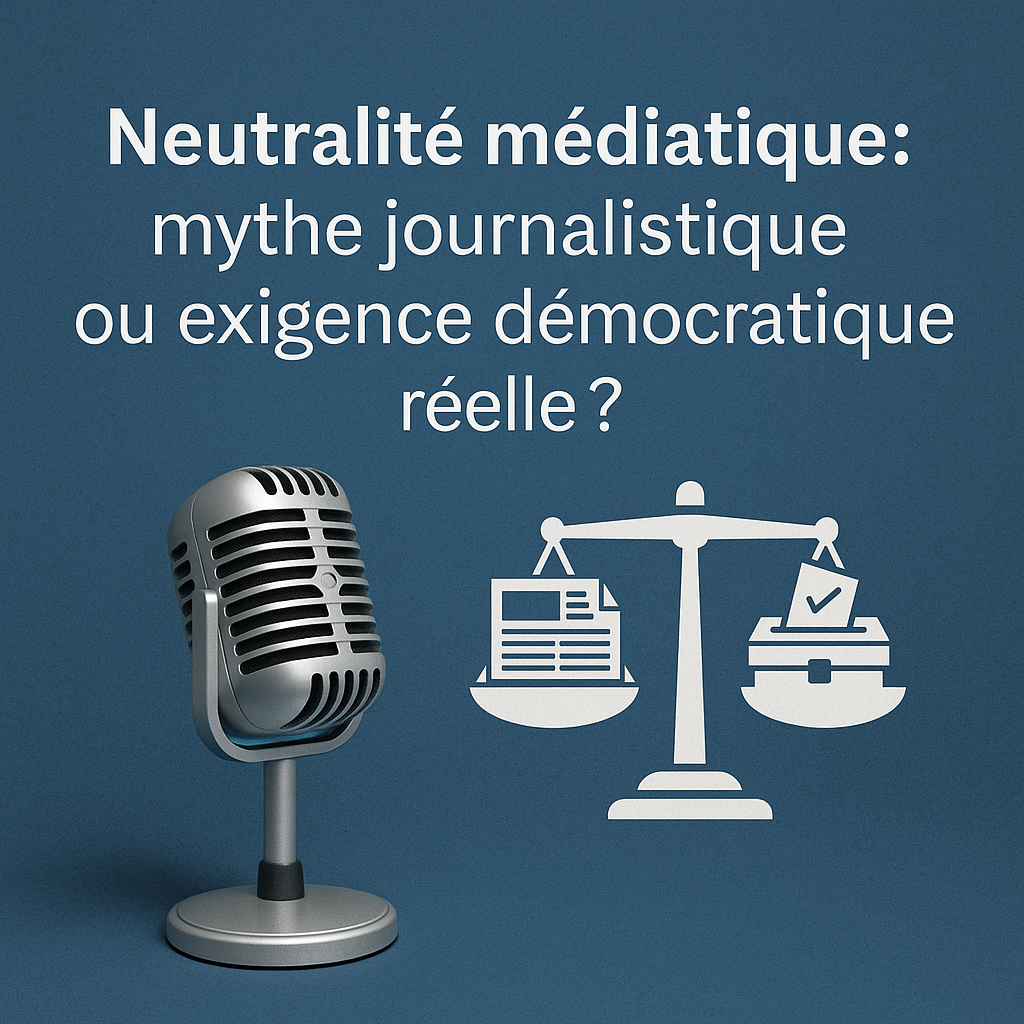
In light of these tensions, a distinction must be made: neutrality as absence of opinion is largely illusory, but neutrality as a method remains a democratic requirement. This method is based on clear principles: verified facts, contextualization, contradiction, transparency of sources, and a clear distinction between information and commentary. A media outlet can have an editorial line while adhering to these rules.
The central question is not whether a medium is neutral, but whether it is honest. Honest about its angles, its limitations, its editorial choices, and any potential conflicts of interest. In a world saturated with opinions disguised as facts, this honesty becomes a stronger marker of credibility than the claim to absolute neutrality.
In the age of industrial disinformation and attention economy, media neutrality does not vanish; it transforms. It ceases to be a posture and becomes a discipline. And within this discipline, the true democratic challenge is not the absence of a viewpoint, but loyalty to the public.