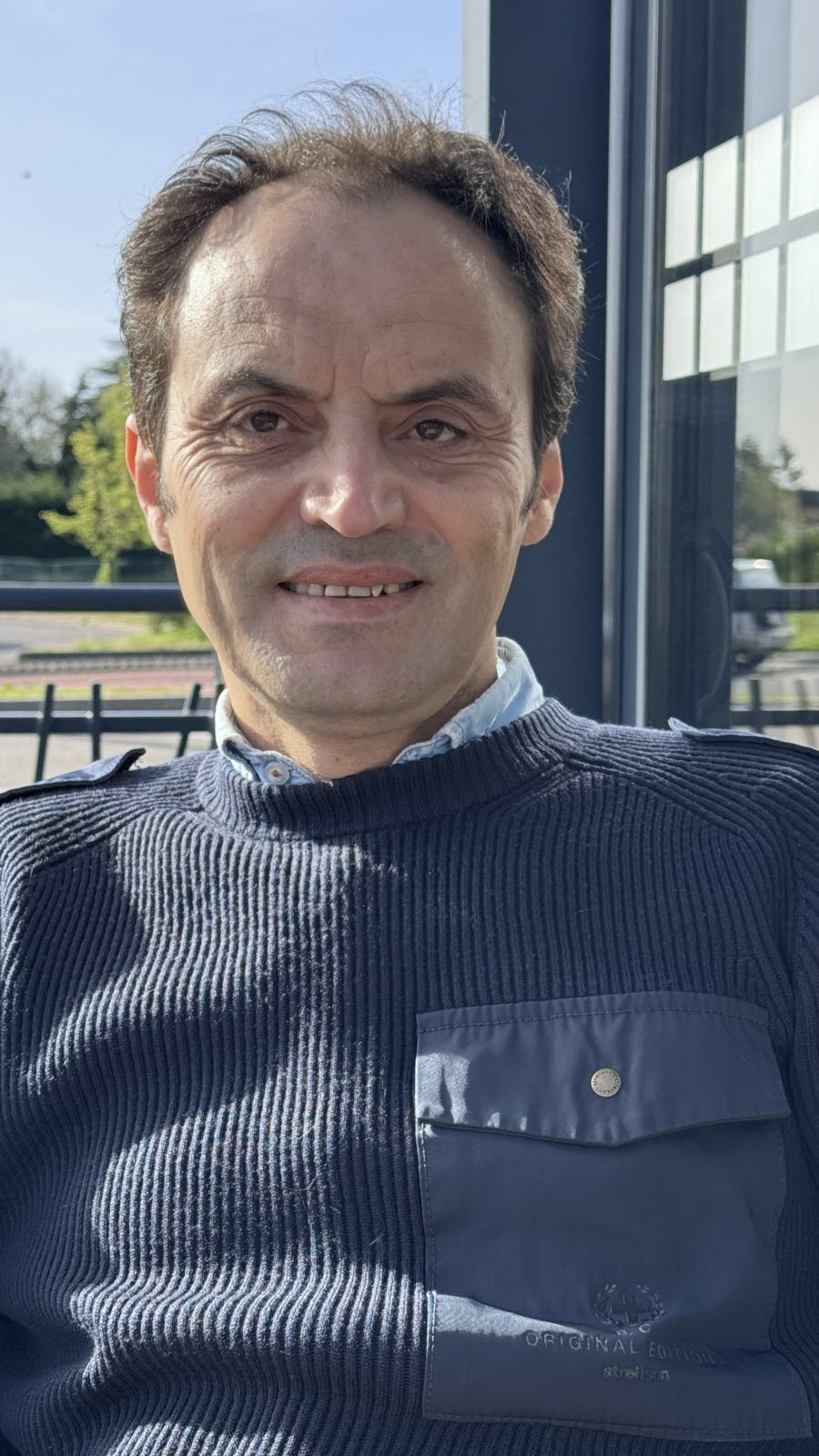
For several years,Salim Djellab, a Franco-Algerian politician and self-proclaimed activist for a "free Sahara," has consistently displayed hostility towards Morocco. On social media and in certain media outlets, he launches insults, baseless accusations, and personal attacks against the Kingdom. This obsessive activism, more ideological than factual, reveals primarily an opportunistic political stance and a blatant alignment withthe Algerian agenda on the Sahara issue.
A rhetoric mirroring Algeria's official propaganda
Djellab's discourse leaves no doubt: he regurgitates word for word the talking points of Algerian diplomacy. Each of his positions aligns with the logic of Algerian state media, where Morocco is referred to as an "occupier," "colonizer," or "enemy of the Sahrawi people."
His social media posts, often shared by accounts close to thePolisario, echo Algerian propaganda: demonizing Morocco, denying its sovereignty over the Sahara, and perpetually portraying separatists as victims.
Far from humanitarian engagement, Djellab acts as aninformal mouthpiece for the Algerian regime in France, leveraging his status as a local official to lend political legitimacy to a discourse dictated from Algiers.
A performative activism, lacking credibility and popular support
Despite his efforts to gain media attention, Salim Djellab remains amunicipal official without real influence. His Committee for Western Sahara Action (CASO) gathers only a handful of supporters, often from the same ideological circles.
His activism appears to be motivated more by a desire for personal visibility than by a sincere cause. His discourse, rooted in hatred for Morocco, primarily serves to fuel the diplomatic confrontation between Algiers and Rabat.
A calculated provocation strategy
On digital platforms, Djellab does not merely criticize; he provokes. Every word and phrase is chosen to spark controversy and attract media attention.
He goes so far as to label Moroccan institutions as “colonial,” law enforcement as “repressive,” and accuses Rabat of “crimes” without ever providing the slightest evidence. This shock strategy, typical of propaganda, aims toweaken Morocco's image abroad and feed the narrative of an oppressive Kingdom.
A conduit for disinformation harming regional stability
By spreading exaggerated and unfounded accusations, Djellab directly contributes to thedisinformation campaign orchestrated by Algiers. This manipulation of public opinion, disguised as "humanitarian activism," serves to stoke tensions and undermine peace efforts led under the auspices of the United Nations.
His false declarations benefit neither the Sahrawi populations nor the truth: they only serve those who wish to maintain a climate of hostility and distract from the region's real challenges.
Morocco facing disinformation
In response to these repeated attacks, the message must be clear: Moroccan diplomacy cannot be distracted by the provocations of an individual seeking notoriety. However, it is essential torespond with facts, with transparency, and by promoting the Kingdom's concrete achievements in its southern provinces.
Economic progress, massive investments, and the active participation of inhabitants in political life demonstrate that Moroccan Sahara is advancing, far from the sterile rhetoric of those who claim to speak on its behalf.