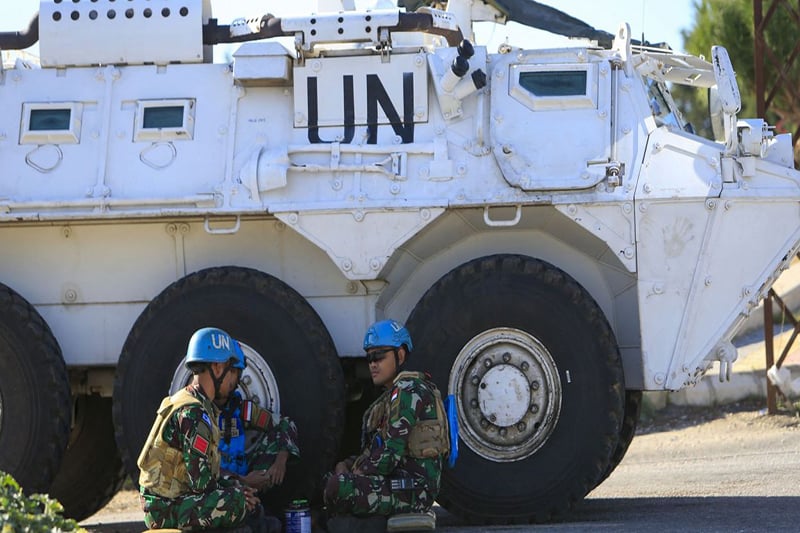
On the ground, the figures seem to indicate a relative improvement. In recent weeks, the entry of humanitarian convoys into Gaza has slightly increased, allowing for more regular distribution of food supplies in certain areas. For a population worn down by months of shortages, these flows represent a temporary relief, but are insufficient.
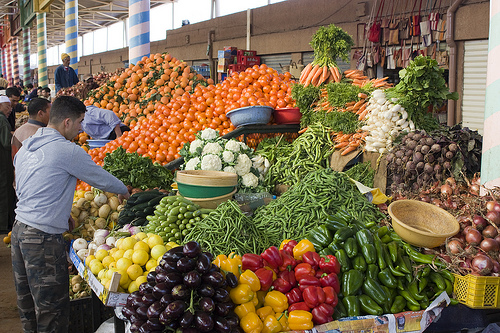
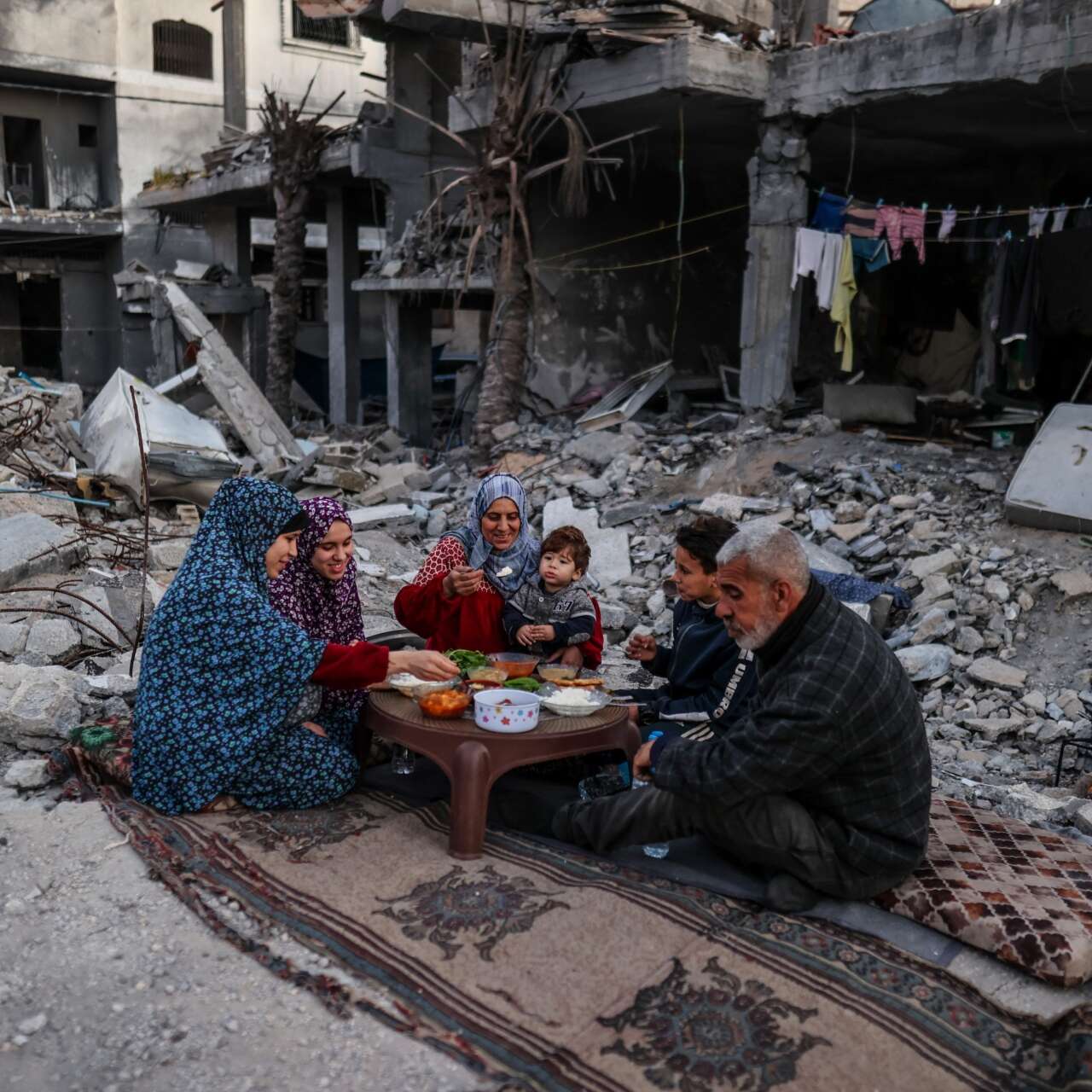
Because behind these quantitative advances, the daily reality remains marked by widespread food insecurity. Many households depend almost exclusively on humanitarian aid, while access to fresh and nutritious food remains extremely limited. The local agricultural infrastructure, largely damaged, can no longer meet basic needs.
Humanitarian logistics remain fragile. Delays at entry points, security constraints, and restrictions on certain products complicate the regularity of distributions. In several sectors, residents report endless queues and insufficient rations to meet family needs over time.
Children and the elderly are among the most vulnerable. Health professionals warn of an increase in cases of malnutrition, particularly among the youngest, with lasting consequences for physical and cognitive development. Already under pressure, hospitals struggle to cope with these malnutrition-related pathologies.
Politically, the humanitarian situation is closely linked to the security and diplomatic context. Announcements of easing aid do not always translate into concrete changes on the ground. The lack of sustainable mechanisms prevents any real stabilization of access to food.
Thus, despite occasional signs of improvement, the food crisis in Gaza remains structural. As long as living conditions, infrastructure, and supply chains are not sustainably restored, humanitarian aid will continue to address the urgency without resolving the underlying causes of the catastrophe.