A conflict that far exceeds the military realm
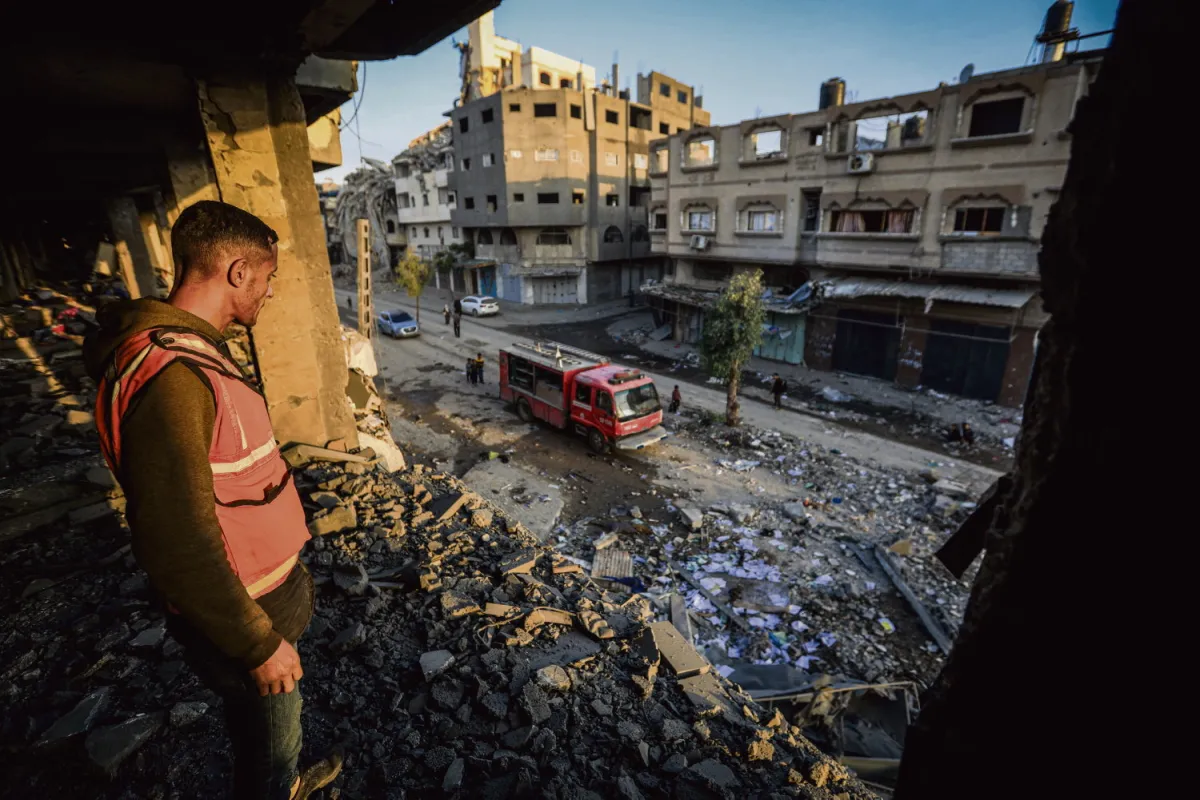
The war in Gaza has quickly transformed into a global informational confrontation where each actor attempts to impose its narrative. Ground combat and bombings are just one part of the conflict. The other is played out on screens, in official statements, in real-time images, and in the interpretation of events. The states involved know that the battle for opinion can sometimes weigh as heavily as military operations themselves.
In this context, controlling images, words, and numbers becomes a critical issue. The international public no longer has access to a single truth but to multiple versions of the same event, shaped, reworked, or amplified according to the interests of the protagonists.
A narrative shaped by governments and institutions
States have deployed extremely rigorous communication strategies. Official spokespersons respond to each new piece of information, publish updates, contest the figures put forward by opposing parties, and seek to frame images coming from the field. This tight control aims to maintain a narrative advantage, strengthen the legitimacy of their actions, and influence both public opinion and foreign governments.
Digital platforms, meanwhile, are becoming battlegrounds where authentic videos, manipulated content, edited materials, official statements, and rumors circulate simultaneously. In this information fog, states attempt to steer the discussion by launching hashtags, publishing targeted statements, or disseminating images intended to represent their version of reality.
The Rise of Psychological Operations
In response to the rapid dissemination of content, some states have strengthened their psychological operation capabilities. These aim to influence the morale of the opponent, maintain media pressure, or manipulate perceptions through carefully crafted messages. These operations target both local populations and foreign audiences, with a dual objective: to weaken the opponent's cohesion and consolidate their own camp.
The production of images, short sequences or shocking statements is part of this logic. Some videos are created to provoke outrage, while others seek to reassure, show control, or justify contested operations. In a war where emotion can disrupt the balance of alliances and support, each image becomes a weapon.
Social Media: Catalysts and Amplifiers of Narratives
Never has a conflict been so shaped by social media. TikTok, X, Facebook, and Telegram now play a central role in the circulation of narratives. Populations are continuously informed, reacting, sharing, and commenting, often with a speed and influence that surpass traditional media.
States watch this movement and adapt. Some encourage armies of official or anonymous accounts to relay their messages. Others try to have content deemed harmful or potentially dangerous removed. Virality, which follows no institutional logic, can elevate an amateur video to global reference status, thus disrupting state actors' communication efforts.
An Information Fog That Complicates Access to Truth
The conflict in Gaza highlights how the overwhelming abundance of information, mixed with misinformation, creates a fog that is difficult to penetrate. Journalists, NGOs, and independent observers face significant obstacles in verifying facts on the ground. Figures are contested, videos are edited, images are taken out of context, and official versions diverge deeply.
In this digital cacophony, the perception of events often depends more on the credibility accorded to certain actors than on the ability to establish a factual truth. The conflict thus becomes as much a battle of evidence as a battle of narratives.
A Global Issue: Influencing International Public Opinion
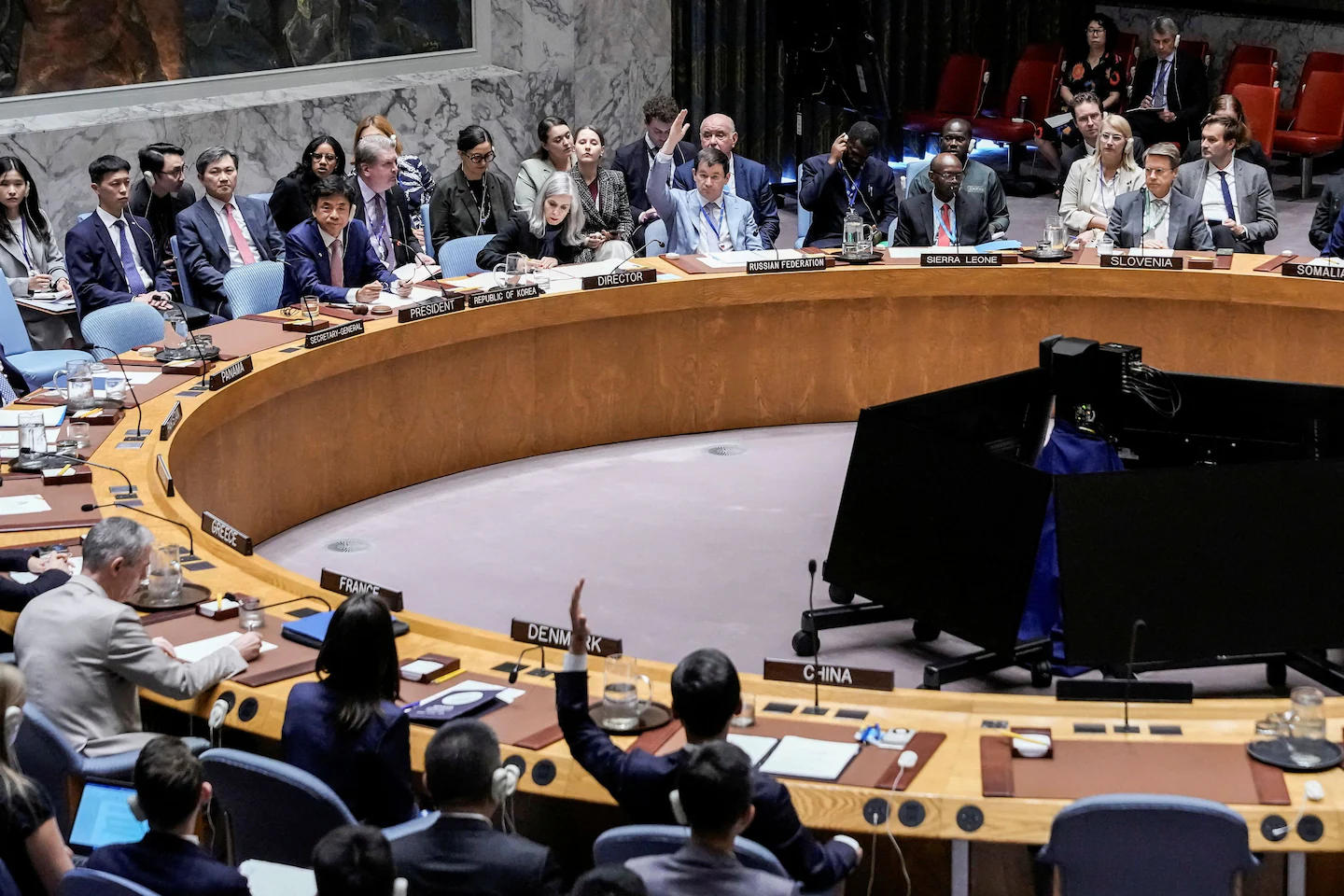
The information war surrounding Gaza transcends local frameworks. It affects governments, international institutions, diplomacy, and populations worldwide. Each country follows the conflict through the lens of its alliances, strategic interests, political sensitivities, or geopolitical priorities.
This global dimension reinforces the importance of state narratives. Those who manage to impose their version of events not only influence their citizens but also international decisions, votes in institutions, and economic or military support. In this framework, mastering the narrative has become a major strategic issue.
A Battle That Shapes the Future of Information
The information war surrounding Gaza is not an isolated phenomenon. It reveals what conflicts will look like in the 21st century: hybrid, connected, emotional, and massively influenced by the instant circulation of images. It also raises questions about the role of journalism, the role of digital platforms, and the ability of societies to analyze contradictory narratives without falling into extremes.
States will continue to refine their strategic communication tools. Meanwhile, populations must learn to navigate this flow of information where each image can be a weapon and where each silence can be a message.