A recently revealed charter highlights a unique diplomatic project put forth by Donald Trump : the establishment of an international 'Peace Council' presented as a new tool intended to promote global stability. This initiative, still informal, is characterized by a central principle that raises immediate questions: access to a permanent seat would be contingent on the payment of over one billion dollars by each candidate state.
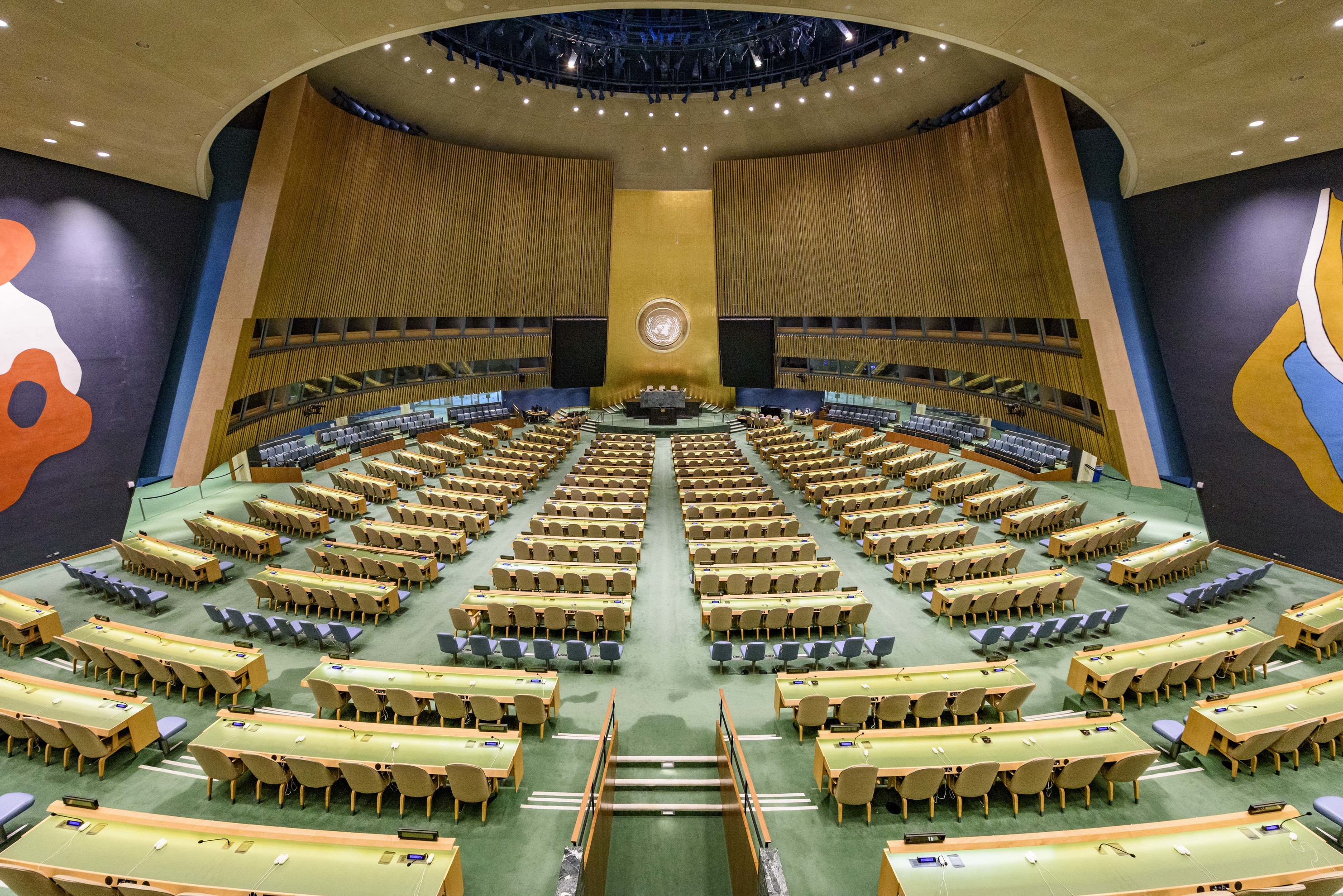
According to the document, this Council would operate as a parallel body to existing international organizations. It would aim to intervene in crisis situations, post-conflict reconstruction, and political transitions, with enhanced decision-making powers. States without a permanent seat could participate temporarily, but without the same strategic weight as members who have paid the required financial contribution.
The logic introduced marks a deep break with traditional multilateral principles. While current institutions rely on geopolitical balances, historical alliances, or voting mechanisms, this project makes financial capability a central criterion of international governance. Supporters argue that this approach would ensure tangible resources for financing peace and reconstruction. Critics, however, warn that it paves the way for a two-tier diplomacy dominated by the wealthiest states.
The central role that Donald Trump intends to play in this structure enhances the political dimension of the project. By positioning himself as the president of this Council, the former U.S. president expresses a highly personalized vision of managing international affairs, consistent with a transactional approach to state relations. This stance fuels both the support of some partners and the distrust of numerous capitals.
In several regions of the world, the initiative is seen as an indirect challenge to existing multilateral institutions. Emerging and developing countries could find themselves effectively excluded from decision-making circles due to insufficient financial resources, exacerbating existing imbalances in the international order.
Beyond its uncertain future, this project acts as a revealing indicator. It illustrates the increasing fragmentation of global governance, distrust of traditional structures, and the emergence of new proposals based on financial power and direct influence. Whether or not it materializes, the 'Peace Council' envisioned by Donald Trump already stands as a symbol of the tensions and reconfigurations underway on the international stage.