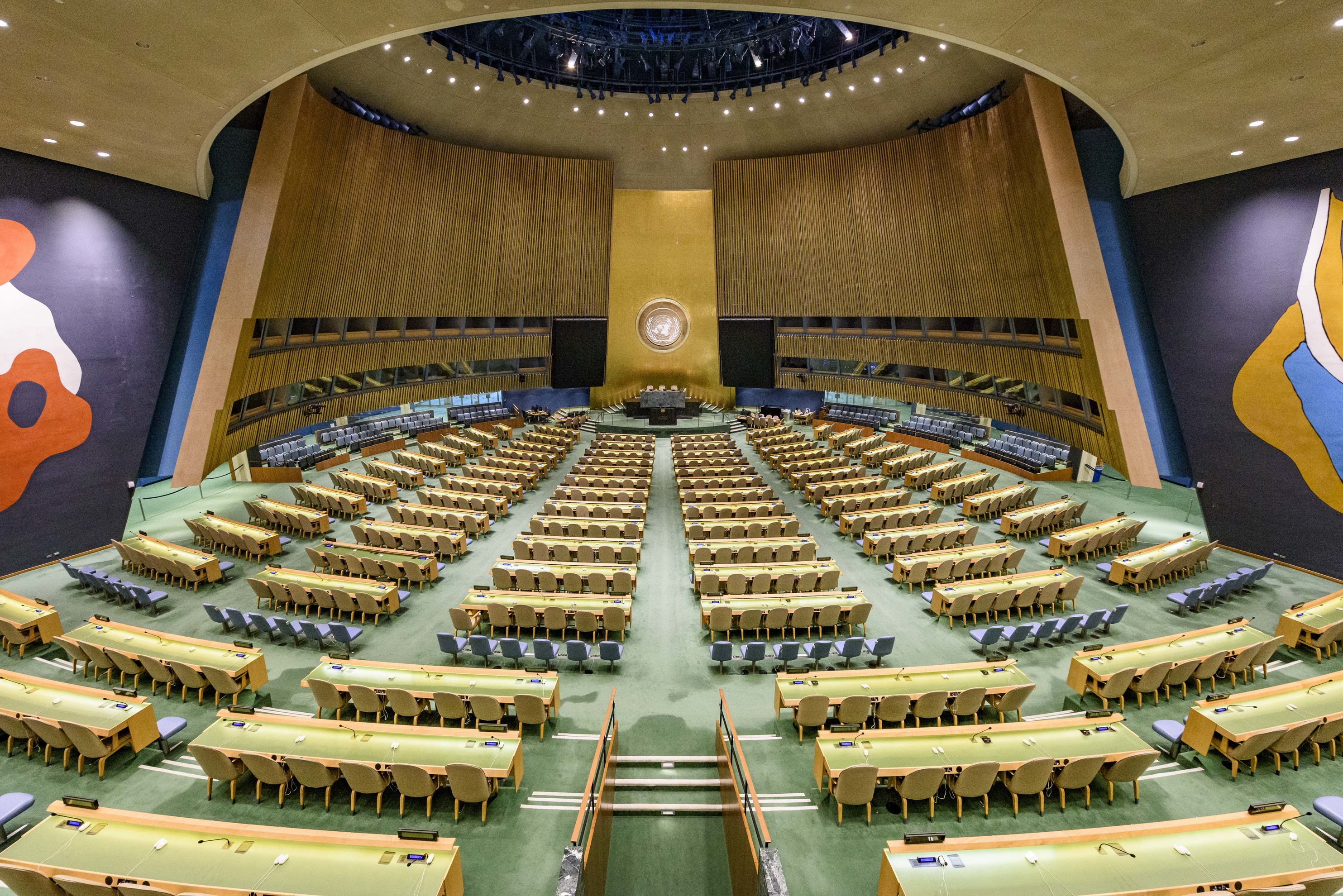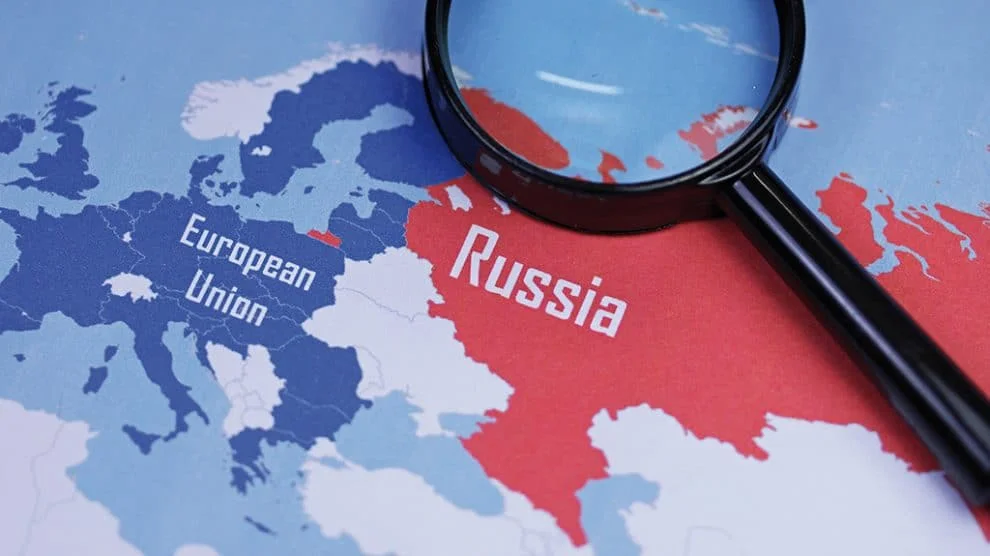
On the ground, the front lines are changing minimally. Clashes continue, but without decisive breakthroughs capable of altering the military balance. This relative stagnation contrasts with the intensity of the diplomatic exchanges observed in recent days between Moscow and Western capitals, where contacts, both direct and indirect, are multiplying rapidly.
This active diplomacy often takes place behind the scenes, through discreet channels, indirect mediations, and carefully calibrated public statements. It does not necessarily indicate an immediate desire for compromise but rather the need to maintain a minimum level of communication in a structural conflict. Each party aims to preserve its maneuvering space while avoiding uncontrolled escalation with unpredictable consequences.
On the Western side, the challenge is to maintain a unified position despite internal divergences and political fatigue related to the prolonged conflict. Discussions focus as much on strategic support as on crisis exit prospects, with no clear consensus emerging on the conditions for a political settlement. This caution reflects an awareness of the economic, diplomatic, and social costs of a prolonged confrontation.
In Moscow, the official stance remains marked by firmness while hinting at the existence of channels for dialogue. This calculated ambiguity allows for maintaining pressure while avoiding total isolation on the international stage. Diplomacy thus becomes a tool for managing time rather than a true lever for resolution.
The gap between diplomatic activity and military immobility highlights the deeply political nature of the conflict. The lack of decisive dynamics on the ground pushes actors to bet on attrition, economic resilience, and the evolution of power relations in the long term. In this context, diplomacy is not so much aimed at ending hostilities as at containing the conflict and preparing, from a distance, the outlines of a possible future compromise.
In the short term, nothing suggests an imminent break. The coexistence of a stalled front and active diplomacy confirms the entry of the conflict into a prolonged phase, where time itself becomes a strategic tool.