An Ambitious Energy Strategy
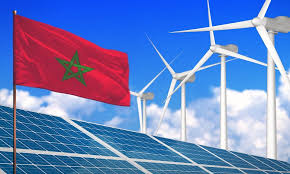
For over a decade, Morocco has established itself as an African pioneer in clean energy. The ambition to raise the renewable share to 60% by 2030 continues the national energy plan launched in 2009.
This strategy relies on significant projects: the solar complexes of Noor Ouarzazate, the expansion of the wind farm in Tarfaya, and the development of hydroelectric plants in the northern and Middle Atlas regions.
Beyond the numbers, the goal is twofold: to reduce Morocco's energy dependence— currently a net importer — and to strengthen its role as a producer and exporter of green energy to Europe and Africa.
Massive Investments for a New Energy Era
To achieve this goal, the kingdom is relying on international partnerships with players like Masen, Siemens Gamesa, TotalEnergies, and ACWA Power.
Nearly 90 billion dirhams of investments are planned over five years, including electricity transport and storage infrastructures as well as national grid modernization.
Among the flagship projects is the Xlinks, which envisions a submarine interconnection between Morocco and the United Kingdom. This cable, over 3,800 km long, could supply energy from Moroccan solar and wind sources to up to seven million British households.
Green Hydrogen: Morocco's New Bet
At the same time, the kingdom is progressing on green hydrogen, a promising energy source for industries and transport.
A national roadmap has been adopted, aiming to make Morocco a major player in the production and export of this clean fuel, leveraging its natural advantages and existing solar infrastructure.
Morocco thus hopes to become an African energy hub, capable of supplying its neighbors and actively participating in the global energy transition.
A Transition Bringing Jobs and Sovereignty
This energy transition extends beyond infrastructure. It also creates new job opportunities in solar, maintenance, research, and environmental management.
For the government, the challenge is to transform the green dynamic into a lever for inclusive economic development, while reducing the national carbon footprint.
Sources: Masen, MAP, Reuters, Africa Energy Portal, Bloomberg