Morocco is entering an era of structural water scarcity.
Long praised for its dams and hydraulic engineering, the Kingdom is now ranked among the countries most exposed to global water stress. According to the World Bank, the annual water availability per capita has decreased from more than 2,500 m³ in the 1960s to less than 600 m³ today — a critical threshold well below the scarcity level set at 1,000 m³.
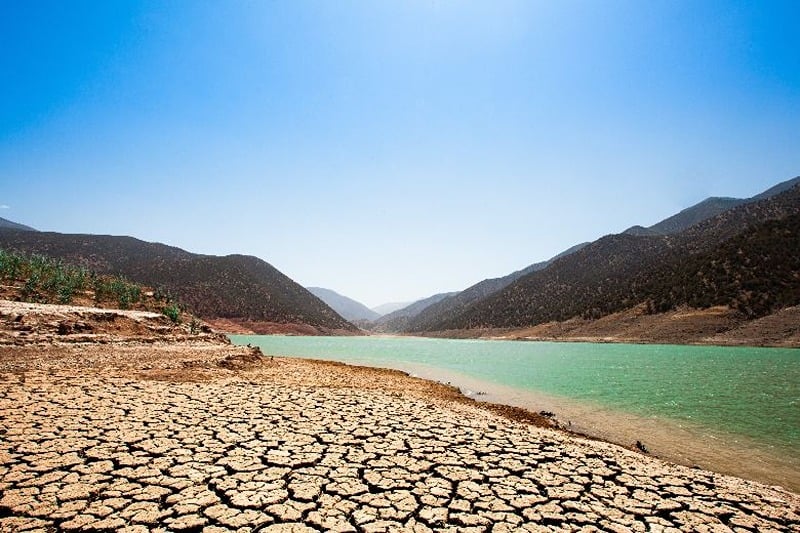
Empty reservoirs and overexploited aquifers
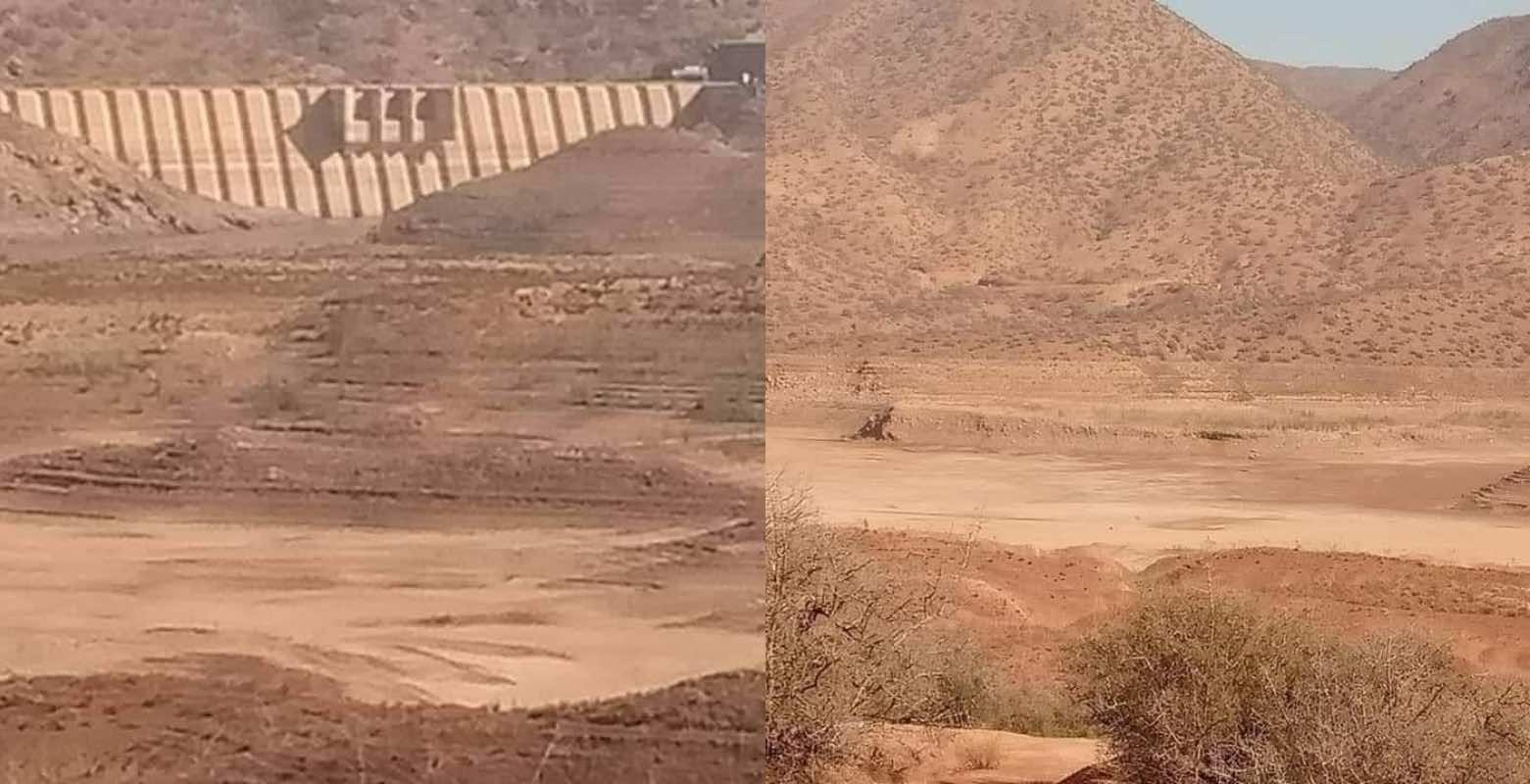
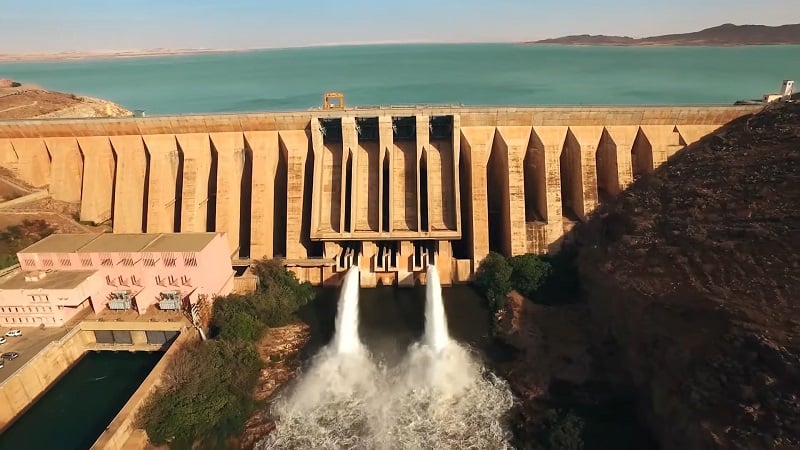
The Al Massira dam, the second largest reservoir in the country, has become a symbol of this crisis. Its water level has dramatically dropped, no longer exceeding 5% of its capacity by the end of the summer of 2025.
In several regions — notably Chaouia, Haouz, Souss, and Oriental — farmers are witnessing a gradual depletion of groundwater. Thousands of wells have been illegally drilled, worsening the situation and threatening the sustainability of underground resources.
Climate Change, an Aggravating Factor
Climate projections are alarming. Morocco has experienced an average decrease in precipitation of 25 to 30% since the beginning of the century, along with a continuous rise in temperatures. These conditions lead to increased evaporation from water bodies and a reduction in the natural recharge of aquifers.The years 2021 to 2025 have been among the driest ever recorded. In certain rural areas, residents must travel several kilometers to access drinking water. Local tensions between farmers, livestock herders, and authorities are becoming increasingly frequent.
Ambitious but Fragile National Policies
The Moroccan government has launched the
National Drinking Water and Irrigation Supply Program 2020-2027 (PNAEPI), backed by a budget of 115 billion dirhams. This plan aims to:multiply the number of seawater desalination plants,
-
strengthen the interconnection of hydraulic basins, develop the ,
-
recycling of treated wastewater
-
for agriculture, and raise awareness among the population about water conservation.Notable projects are emerging, such as the large desalination plant in
-
Agadir
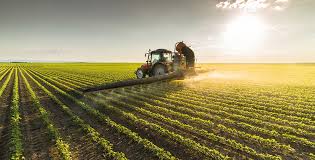
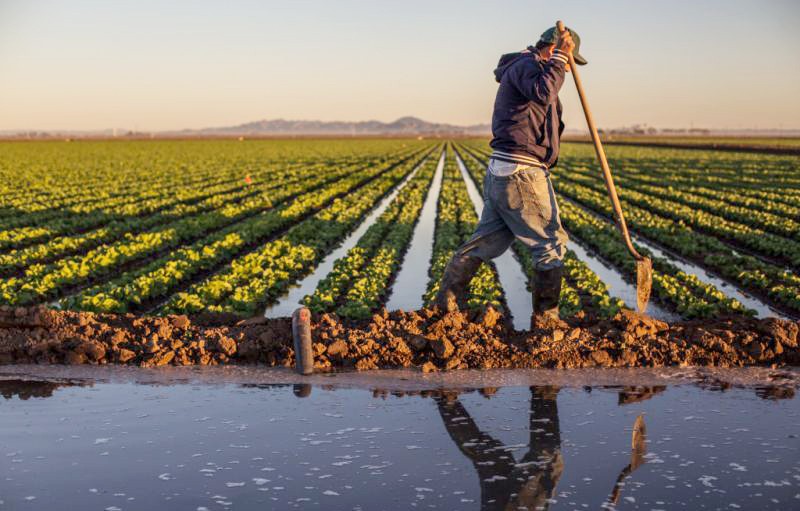
, capable of producing more than 275,000 m³ of water per day. However, their impact remains limited in the face of population growth, rapid urbanization, and the inefficiency of irrigation networks.Agriculture, the Main Consumer and ChallengeThe agricultural sector consumes nearly
85% of the water used
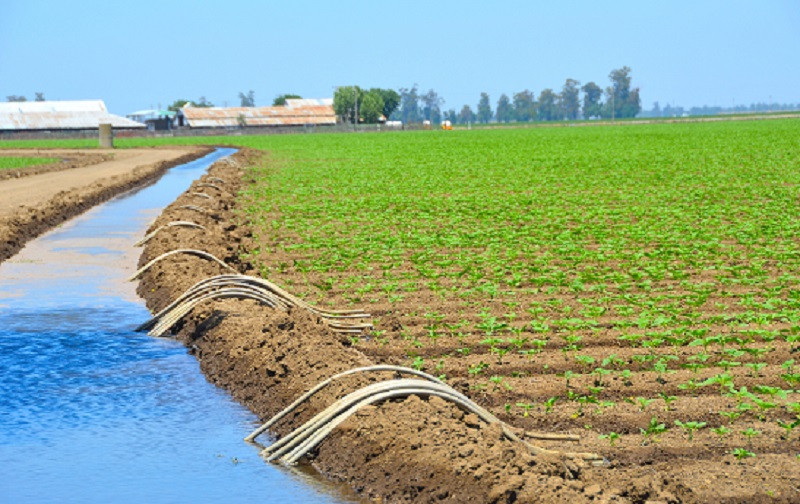
in Morocco. While localized irrigation policies (drip irrigation) have led to notable gains, they have also resulted in intensified cultivation in arid areas, paradoxically increasing demand.Experts advocate for a shift in the agricultural model
towards less water-intensive crops (olive trees, cactus, prickly pear) and better land use planning.The issue of water justice also arises: some exporting agricultural areas benefit from priority access to water, to the detriment of domestic or ecological uses.Towards a New Water Culture
Beyond infrastructure, a shift in mentality is necessary.
Awareness campaigns about reducing consumption, recycling, and preserving local sources are still too limited. Participatory water governance
— involving communities, farmers, associations, and citizens — becomes essential to prevent upcoming conflicts.
Conclusion: A Race Against TimeMorocco has recognized hydraulic expertise, but the current crisis calls for a profound transformation:to manage less abundance and better scarcity.
Without rapid adaptation, the economic, social, and environmental consequences of water stress could hinder the country's sustainable development and exacerbate regional inequalities.
.
The article concludes with a strong call for change.
.