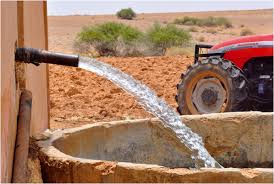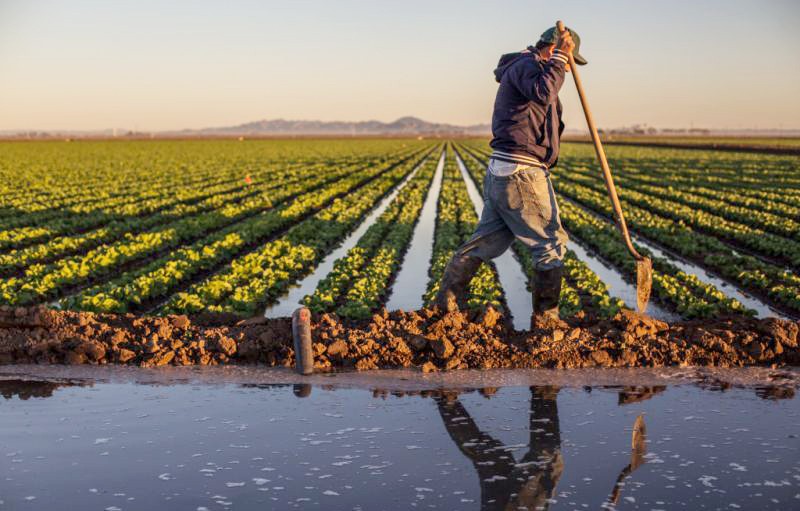
The raw data is unforgiving: less water, more uncertainties. The solution cannot be one-dimensional.Precision irrigation (drip irrigation controlled by sensors, local weather, humidity thresholds) saves 30 to 50% of water depending on the crops; however, initial investment must be financed and networks maintained. Cooperatives reduce costs by pooling purchases, maintenance, and training.
The second pillar is: crop choices. More heat-resistant varieties, shorter cycles, and salinity tolerance: resilience is achieved through genetics and agronomic practices. The crop mix is shifting towards less water-intensive or higher-value species, allowing for more dirhams produced per cubic meter.
Basin governance is the systemic key. Agencies plan usage, set quotas, experiment with progressive pricing, promote wastewater reuse, and coastal desalination for stressed areas. The incentives of “water for performance” — support in exchange for verified savings — align individual and collective interests.On the market side, adoption depends on stable
outlets. Short supply chains, local processing, cold logistics, and real-time price information enhance producers' bargaining power. A better-irrigated tomato that remains unsold will save neither water nor income.The challenge is finally
social: supporting family farms, spreading good practices, securing access to financing, and avoiding that water constraints exacerbate territorial inequalities. Morocco can turn scarcity into a driver of efficiency, provided it orchestrates technology, market, and governance.Sources
Ministry of Agriculture (Green Generation Plan)
Hydraulic basin agencies (reports)
FAO (irrigation, resilience)
INRA Morocco (varietal programs)
World Bank / AfDB (water & agriculture)
/