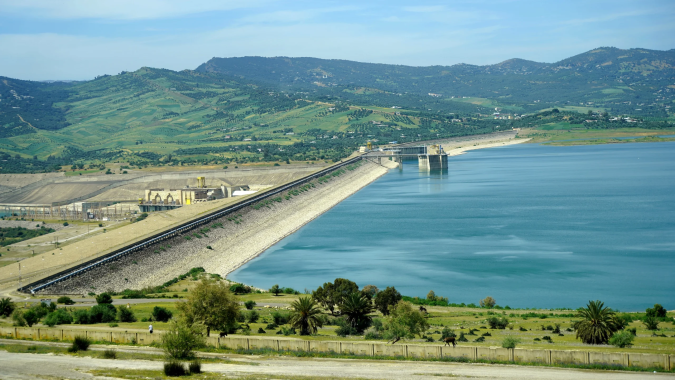
Images of partially replenished reservoirs may have nurtured a fleeting optimism. On the ground, the reality is less reassuring. Recent inputs have not been enough to reverse a heavy trend marked by a continuous decline in national water reserves.
The first factor is climatic. Morocco is facing a lasting transformation of its rainfall regime. Rains are becoming more irregular, shorter, and more intense. Such episodes favor rapid runoff to the sea, preventing effective recharge of groundwater and optimal filling of dams.
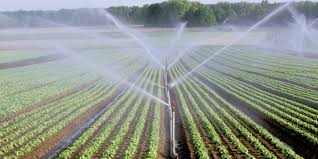
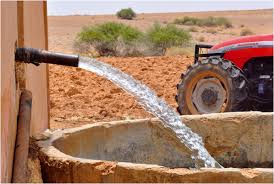
The pressure on resources remains extremely high. Irrigated agriculture, essential for food security, continues to be the main consumer of water. This is compounded by the growing needs of urban areas, industry, and tourism, amidst demographic growth and accelerated urbanization.
The limitations of existing infrastructure are becoming increasingly clear. Some dams were designed for climatic conditions that are now outdated. Losses in networks, low reuse of treated wastewater, and delays in implementing structural projects limit the real impact of the strategies in place.
Water security no longer solely depends on storage capacity. It requires a profound transformation of usage, better governance, and a rapid adaptation to new climatic constraints. Without these adjustments, each rainy episode will remain a temporary relief, with no lasting effect on the country's water trajectory.