A Major Hydrological Recovery
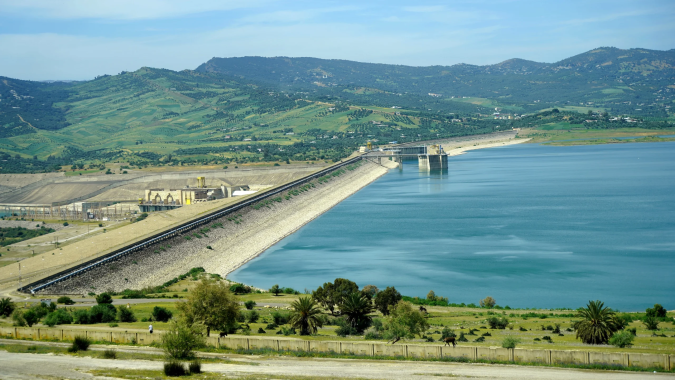
The heavy rains recorded since the end of 2025 have profoundly changed the Kingdom's water situation. After several seasons of acute water stress, national dam reserves have seen a spectacular increase. The filling rate is now around 70%, a level not reached in several years.
The total stored volume now exceeds eleven billion cubic meters, representing an important strategic reserve for drinking water supply and the hydrological stability of several regions. In some basins, the reservoirs are close to their maximum capacity, reflecting the exceptional intensity of rainfall.
This improvement comes as Morocco gradually emerges from a long spell of drought that severely impacted agriculture, groundwater, and ecosystem balance.
Structurally Beneficial for the Economy and Society
The first positive outcome concerns the security of drinking water. Major urban centers and rural areas now enjoy increased safety margins, reducing the risks of short-term restrictions.
In agricultural terms, this rainfall is a decisive lever. The available reserves allow for a better farming season, with enhanced irrigation support and a calmer planning of crops. After several years of climate uncertainty, this hydrological recharge provides welcome visibility to farmers.
Hydropower also benefits from this dynamic. Energy-oriented dams can stabilize their production, thereby contributing to the diversification of the national energy mix and reducing dependence on fossil fuel imports.
Increased Pressure on Infrastructure
However, the abundance of rainfall is not solely good news. The rapid rise in water levels places significant pressure on certain hydraulic infrastructures. In several regions, authorities have conducted controlled water releases to maintain the integrity of the structures.
Soil saturation and the swift rise of streams have led to episodes of localized flooding. Some areas have experienced overflow, necessitating preventive measures to protect local populations.
These events remind us that water management involves not only combating scarcity but also controlling excess. The challenge now lies in balancing optimal storage with the prevention of hydrological risks.
A Real-World Test for Water Governance
The current situation presents an important test for the national water resource management strategy. Morocco has made significant investments in dams, basin interconnections, and hydrological monitoring systems in recent years. The extraordinary rainfall now allows for assessing the robustness of these systems.
The central question remains that of climate resilience. The extreme cycles alternating between prolonged drought and intense rainfall seem to be intensifying. In this context, water planning must include a long-term vision, integrating storage, desalination, wastewater reuse, and flood protection.
Between Strategic Opportunity and Necessary Vigilance
The recovery in dam filling rates undoubtedly represents a major advance for national water security. It provides the Kingdom with strategic relief after several years of tension.
But this abundance also imposes strictness, anticipation, and coordination. Sustainable water management is not just about accumulating volumes; it requires precise governance capable of turning each climatic episode into a controlled opportunity.
Morocco is currently at a pivotal phase where the long-fragile water resource is becoming a structural asset again, provided that balance is preserved.