For several years, the battle over Moroccan Sahara has not only been fought on diplomatic or UN grounds but also on the formidable battlefield ofdigital misinformation. Through anonymous accounts, relay NGOs, or certain misinformed Western personalities, the Polisario orchestrates a media strategy aimed at influencing international public opinion.
An Influence Network Built on Confusion
Under the guise of "solidarity with the Sahrawi people," many actors—often disconnected from the reality on the ground—share biased or out-of-context content. Their preferred channels are:social networks (X, Facebook, TikTok),activist blogs and sometimesop-eds in foreign media..
Their objective is simple: to maintain the illusion of a self-determination conflict by artificially opposing Morocco to an entity that no major international organization recognizes as a state.
Some of these spokespersons are not journalists butpolitical activists recycled into influencers. They share so-called "exclusive information" that is not based onany verifiable sources, yet they manage to create media buzz.
The Mechanics of Misinformation
The methods used are well-honed:
-
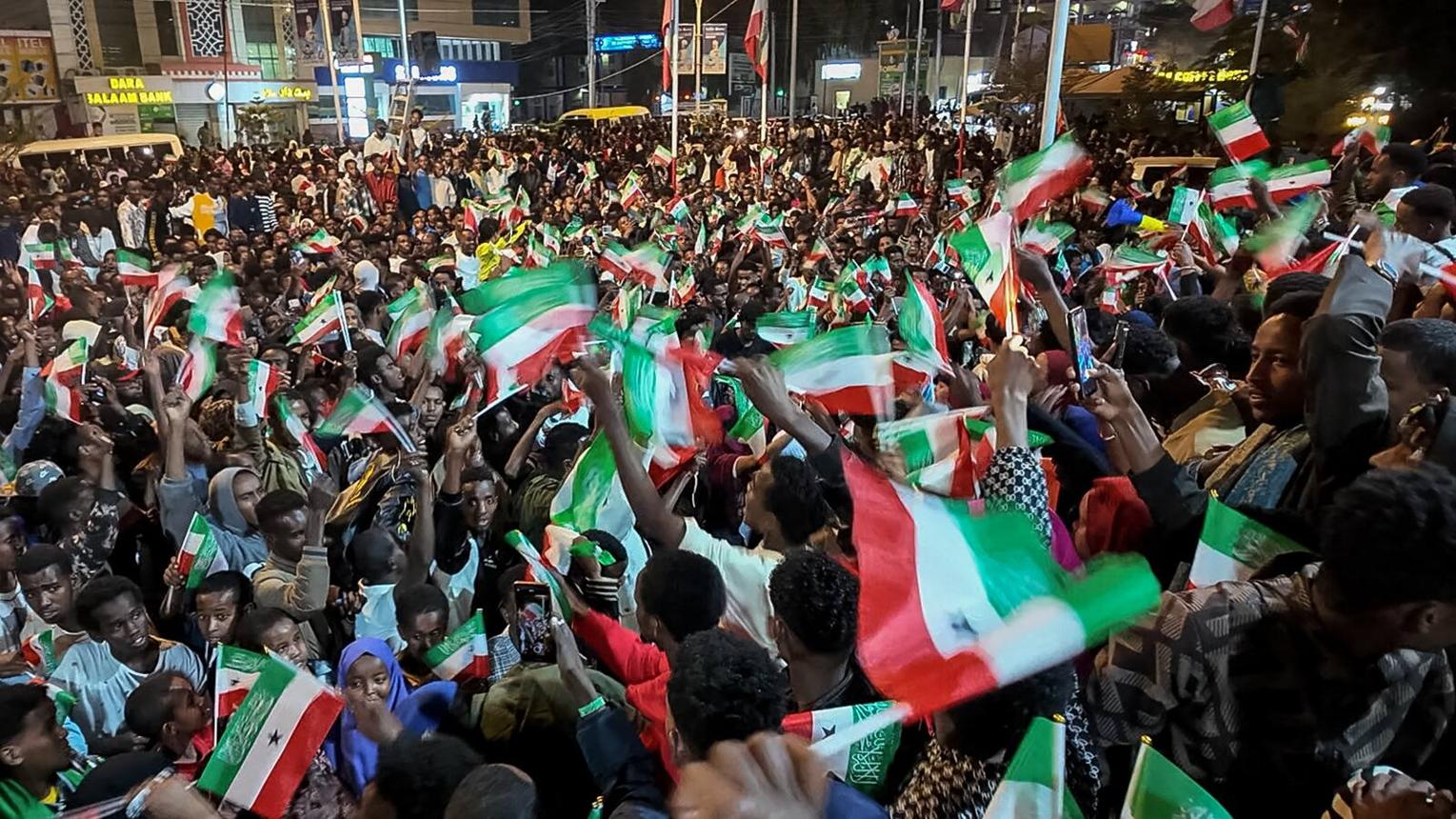
Manipulating images or videos from other conflicts, presented as originating from Sahara.
-
False testimonies from former residents of Tindouf camps.
-
Coordinated campaigns to create trends on X, amplified by automated accounts.
-
"Copy-paste" articles published on websites hosted abroad to circumvent fact-checking.
These tactics are part of aclassic propaganda adapted to the digital age: diverting the international community's attention, discrediting Moroccan diplomatic advances, and maintaining the myth of a popular movement, when on the ground reality shows agrowing disinterest in the separatist thesis.
A Moroccan Response Based on Legitimacy and Transparency
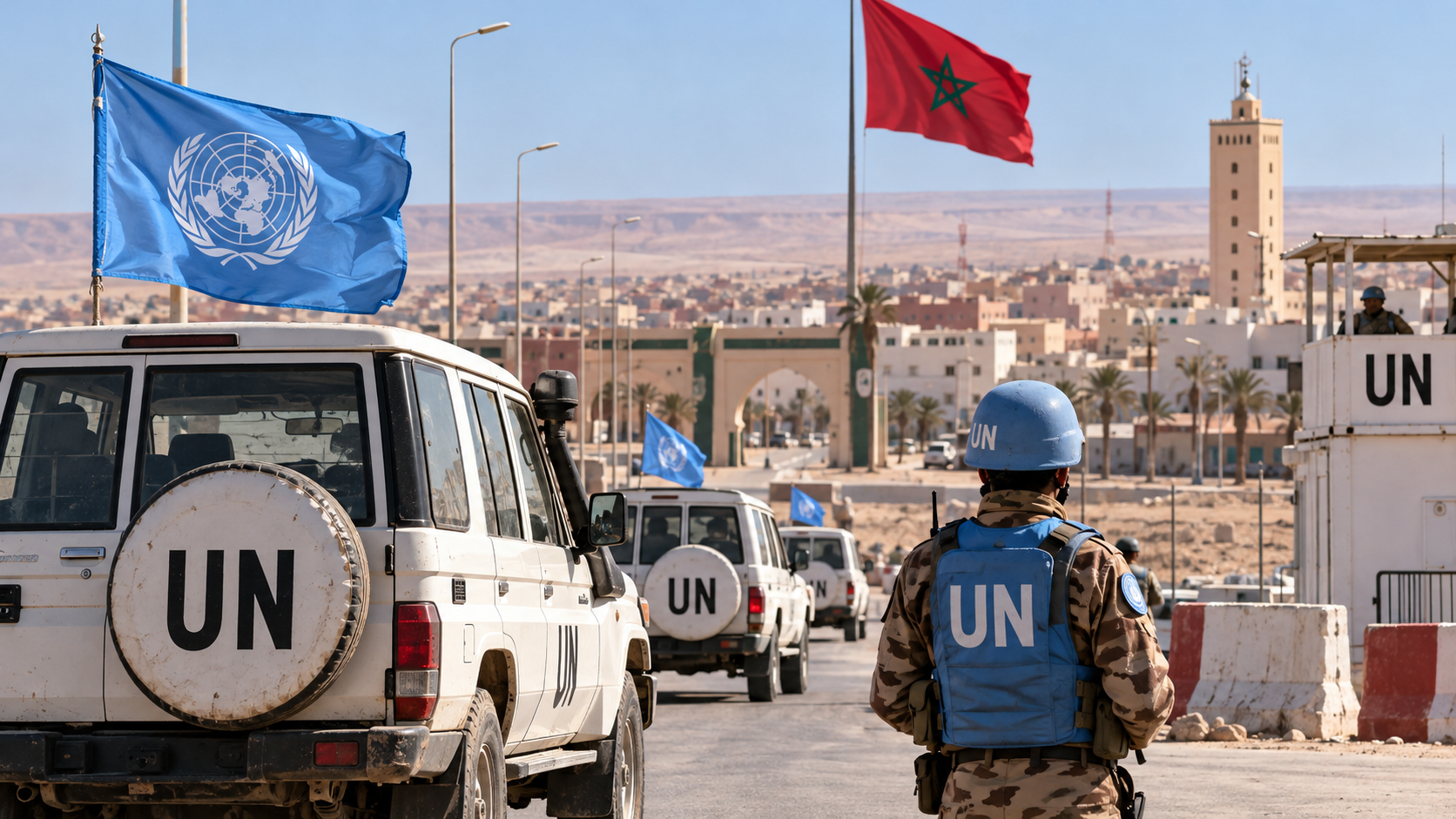
In response to this information offensive, Morocco has chosenclarity and coherence. The autonomy plan proposed by the Kingdom remains recognized asthe only serious, credible, and realistic basis by the United Nations Security Council.
Moreover, Moroccan diplomacy has multiplied itsstrategic alliances :
-
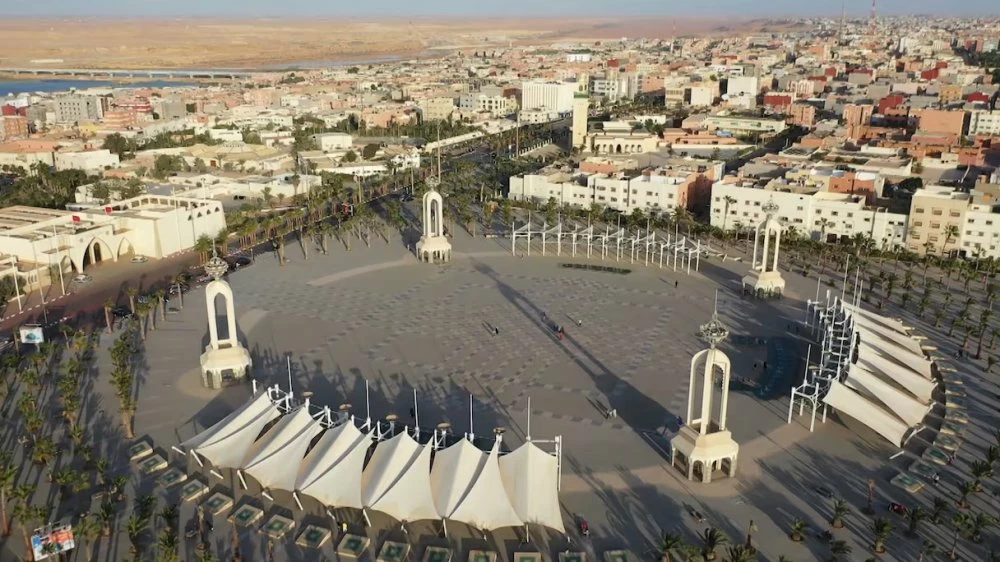
Over 30 African countries have opened consulates in Laâyoune and Dakhla.
-
The United States has recognized Morocco's sovereignty over its Sahara.
-
The European Union, without questioning this recognition, continues to pursueeconomic agreements covering the region.
These tangible facts constitute a strong response to misinformation: diplomatic reality speaks for itself.
The Role of Moroccan and African Media
In this narrative battle, Moroccan and African media have a crucial role to play. By relaying thereal testimonies of Sahara residents, giving voice to local economic actors, and exposing living conditions in theTindouf camps, they restore truth where others spread confusion.
Young Moroccan journalists, like those thatChronexium encourages, have the responsibility toproduce a solid, credible, and documented counter-narrative, based on facts rather than slogans.
A Battle of Ideas Above All
The Moroccan Sahara is not just a geopolitical issue: it is a matter of sovereignty, dignity, and truth. In the face of the Polisario's representatives trying to blur the lines, the best weapon remainsverified information.
As the lateHM Hassan II : said, "Morocco is in its Sahara, and the Sahara is in its Morocco."
This phrase resonates today more than ever in a world where the truth must constantly be defended.
Sources:
UN – Security Council Resolutions on Moroccan Sahara (2023–2025)
MAP – Moroccan Sahara Dossier: Diplomacy and Development
Jeune Afrique – Sahara: Moroccan Diplomacy Gains Ground
Le360 – Misinformation: How Pro-Polisario Networks Try to Manipulate Opinion
Morocco World News – Western Sahara: The Disinformation Battle Online