Kasbah Aït Ben Haddou: a jewel of Moroccan heritage
1. A fortified city with ancestral origins
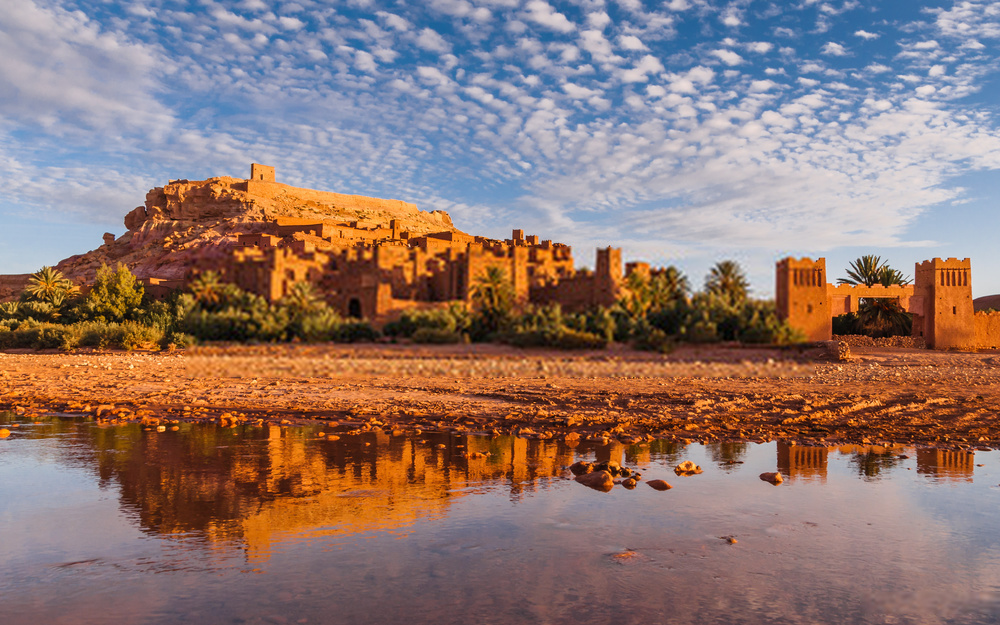
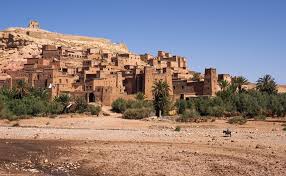
Located in the province of Ouarzazate, Kasbah Aït Ben Haddou is a ksar— a fortified village made of raw earth typical of the pre-Saharan valleys.
It is believed to have been founded in the 17th century by Aït Ben Haddou, a Berber tribal chief, along one of the ancient caravan routes linking Marrakech to the Sahara.
Built entirely from rammed earth, wood, and stone, it showcases a unique architectural know-how designed to withstand the heat and floods of the desert.
2. Southern architecture, a symbol of Moroccan ingenuity
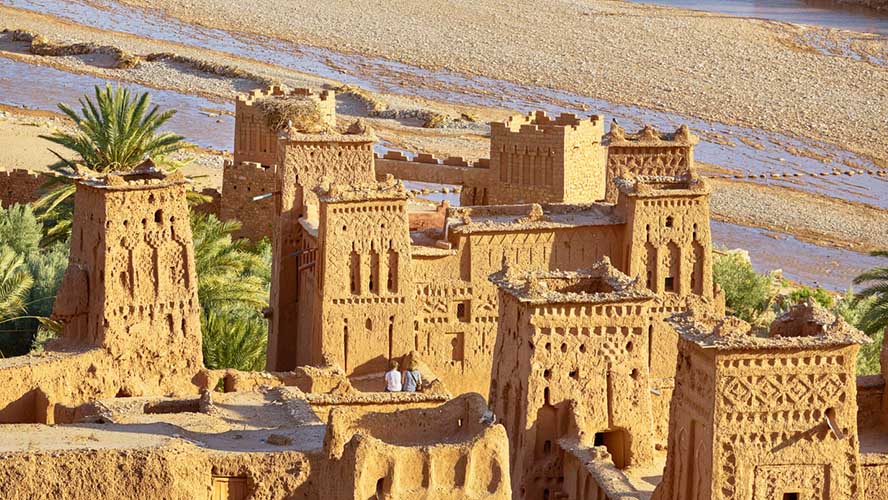
The walls of the Kasbah enclose a maze of alleys, granaries, defensive towers, and layered houses.
Each element—from the main gate to the sculpted battlements—illustrates the craftsmanship of the builders from southern Morocco.
The use of rammed earth, a mix of soil, water, and straw, ensures natural insulation and durability, while harmoniously blending into the ochre landscape of the Ounila valley.
« Aït Ben Haddou is not just a backdrop; it is a living memory of Moroccan rural genius,” shares a local guide.
3. Inscribed as a UNESCO World Heritage site
In 1987, UNESCO added Kasbah Aït Ben Haddou to the World Heritage list for its outstanding universal value.
This international acknowledgment has led to the launch of several restoration programs, while encouraging residents to preserve traditional architecture.
Today, part of the ksar is still inhabited, while other houses have been rehabilitated to welcome visitors.
4. From historic village to global film set
Thanks to its authenticity and spectacular beauty, Kasbah Aït Ben Haddou has become one of the most sought-after filming locations in the world.
Iconic films and series have been shot here, including:
🎬 Gladiator, Lawrence of Arabia, Kingdom of Heaven, The Mummy, Prince of Persia and even Game of Thrones.
This international fame has made the kasbah a symbol of Moroccan culture in global cinema.
5. Preservation and sustainable tourism: an ongoing challenge
While tourism brings vitality and resources, it also raises concerns about the preservation of the site in the face of modernization.
Local authorities and UNESCO are collaborating to restore walls threatened by erosion and manage visitor traffic.
Ecotourism and local accommodation initiatives are emerging, allowing residents to directly benefit from economic returns.The challenge is to keep our kasbah alive without altering it,” emphasizes a craftsman from Aït Ben Haddou.
« ConclusionKasbah Aït Ben Haddou is not just a historical site: it is
a testament to an ancient Morocco, ingenious and proud of its heritage
Between memory and modernity, it continues to embody the deep connection between man, the land, and time.
— a universal symbol of Moroccan genius.Sources:UNESCO – World Heritage Centre,
Moroccan Ministry of Culture,
Moroccan National Tourist Office (ONMT), Local testimonies collected by Chronexium, Film productions shot in Ouarzazate...