🌅 1. The Birth of a Sacred City
Under the reign of Idriss I, a descendant of the Prophet Muhammad, Moulay Idriss Zerhoun became the first spiritual and political center of Morocco..
The story begins in 789, when the founder fled the East and sought refuge in northern Morocco.
Around him, Amazigh tribes and pious families built a prosperous city and a sanctuary where the founder of the Idrisid kingdom would rest.
“Here, every stone tells the beginning of a nation,a local guide confides, showing the green dome of the mausoleum.
🕌 2. The Mausoleum of Idriss I: A Gem of Piety and Architecture
The mausoleum of Moulay Idriss I, restored several times, combines intricate woodwork, delicate zelliges, and golden arabesques..
The entrance, once forbidden to non-Muslims, now opens onto a peaceful courtyard where pilgrims come to reflect.
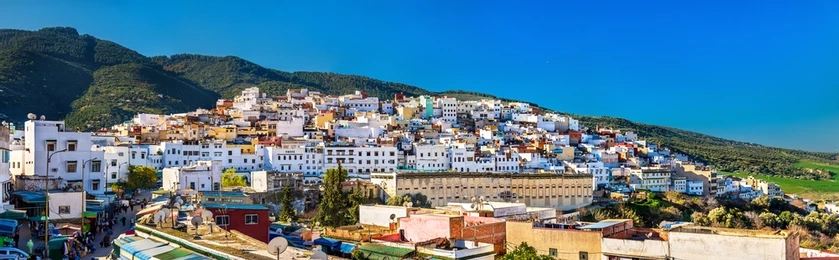
The dome, covered with green tiles, dominates the medina and watches over the white houses clinging to the hill.
Every year, the great moussemm (religious festival)attracts thousands of faithful from across the kingdom, perpetuating a ritual that is twelve centuries old.
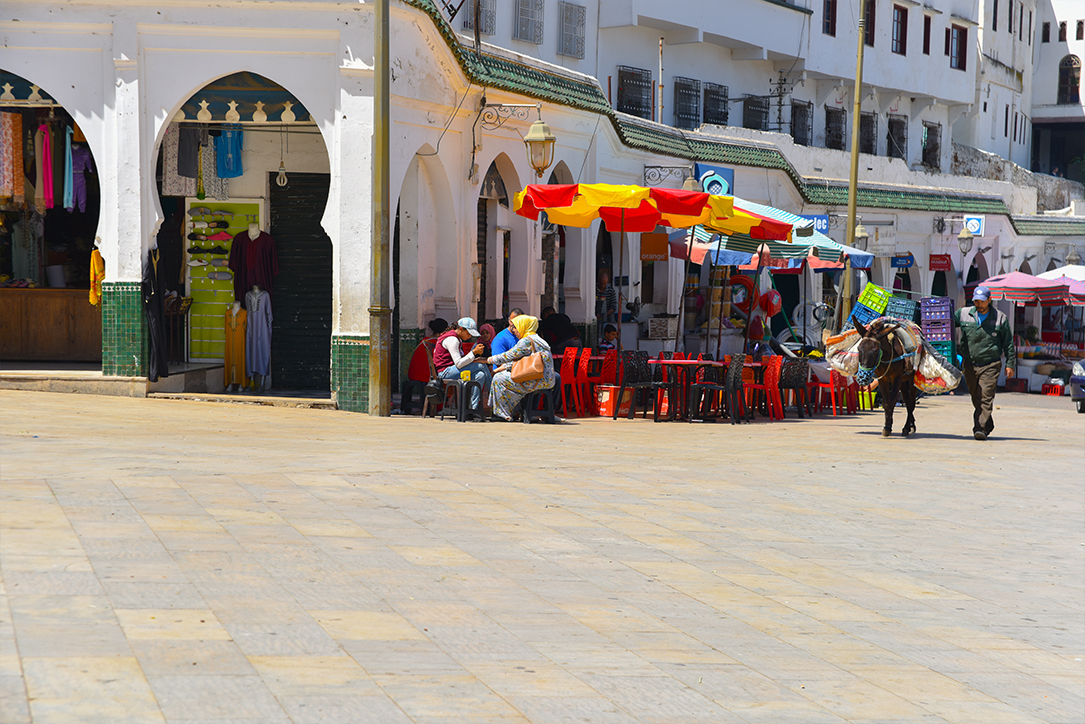
📿 3. A City Between the Sacred and the Everyday
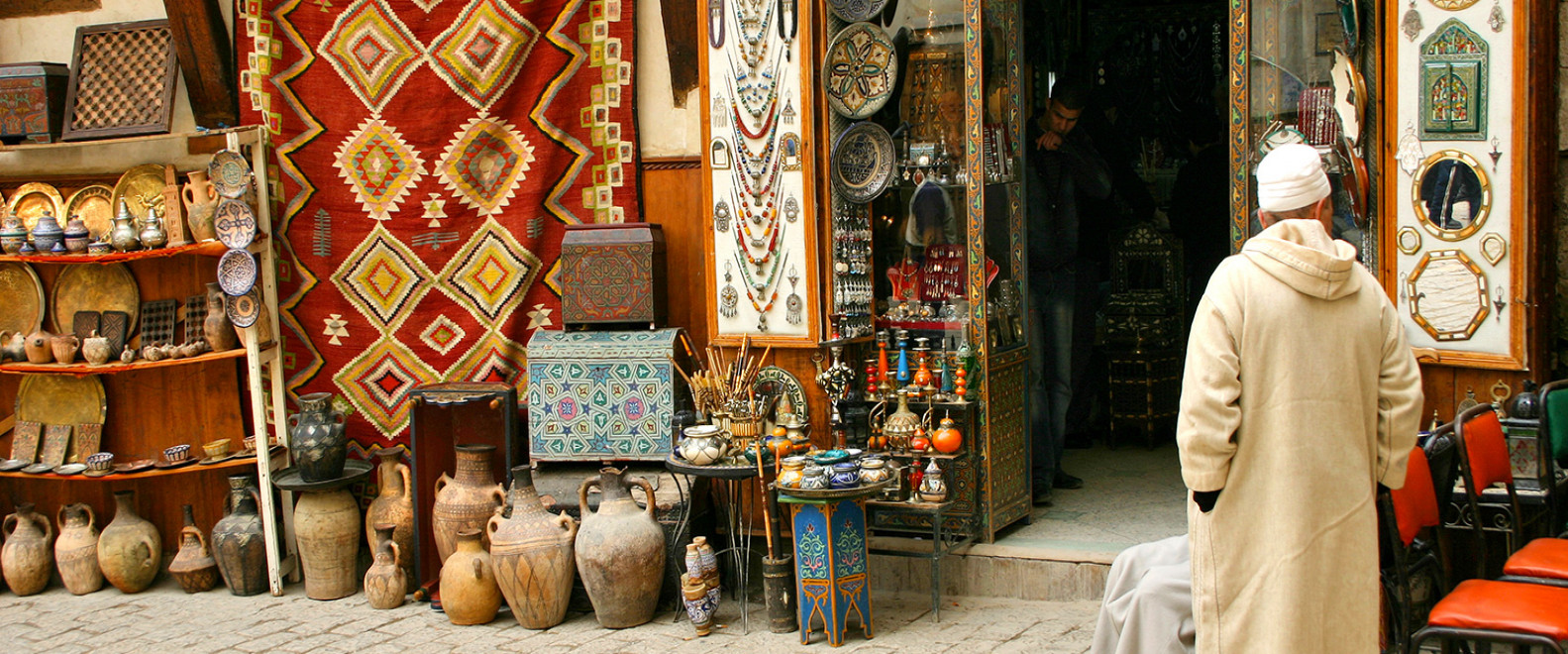
Life in Moulay Idriss Zerhoun revolves around faith, the market, and the rhythm of prayers.
The narrow alleys, lined with zelliges and blue doors, lead to terraces from where one can see Volubilis,the ancient Roman city.
The inhabitants live simply, attached to the memory of the saintly founder and to traditional Moroccan hospitality.
“We are the guardians of the heart of Morocco,”proudly says an elderly local resident.
🏛️ 4. A Living Heritage Between Past and Future
Since its inscription on the UNESCO indicative list,, the city has benefited from restoration programs to preserve its authenticity.
Challenges remain: controlled tourism, limited infrastructure, jobs for the youth.
But the holy city endures, faithful to its dual role: guardian of faith and witness to national history..
🌙 5. Between Spirituality and National Identity
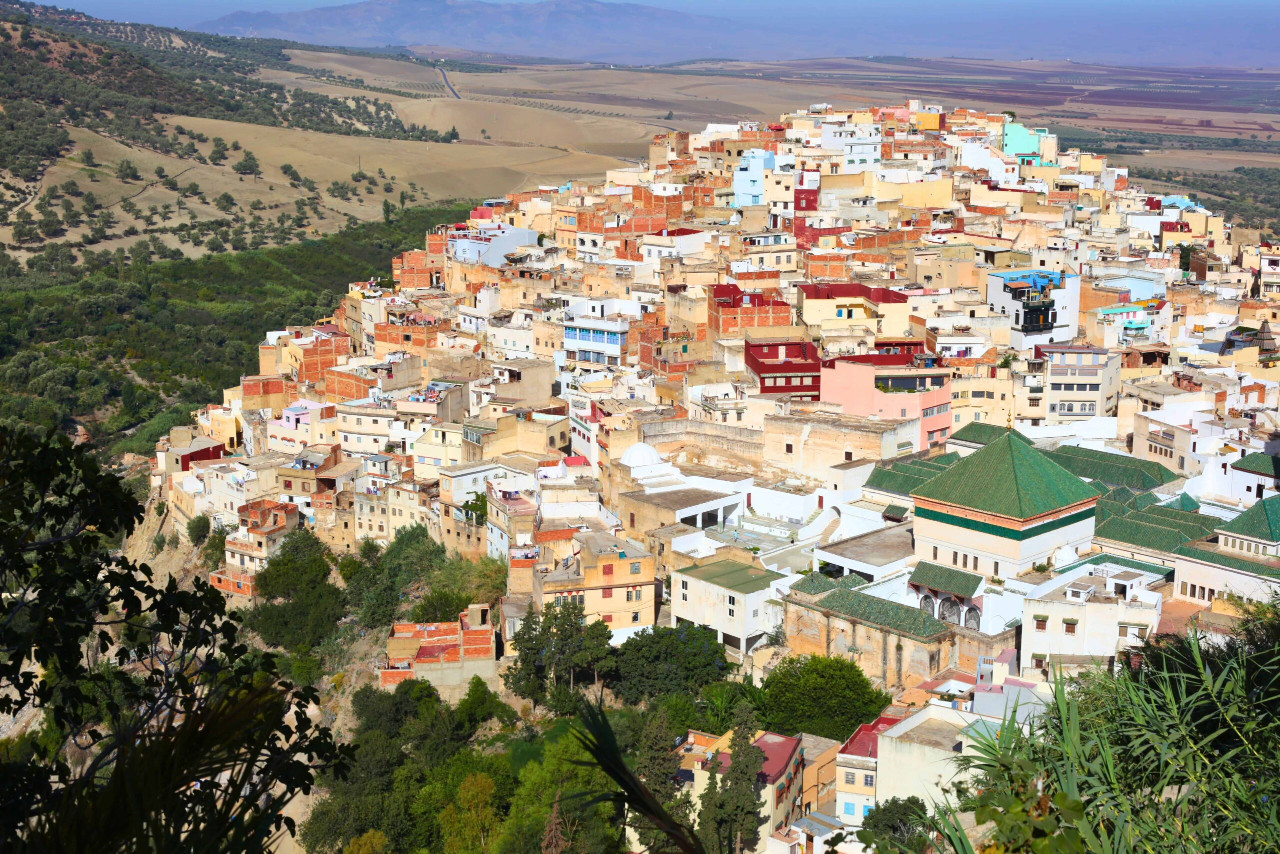
Moulay Idriss Zerhoun is not just a place of worship: it is a foundational symbol..
It is here that the idea of a unified Morocco was forged around a dynasty, a faith, and a territory.
Pilgrims still see it today as a place where the past and present converge,, in peace and memory.
Conclusion
Under the light of Zerhoun, time seems suspended.
Moulay Idriss Zerhoun is not just a historical site: it is a living root,, a link between God, the land, and Moroccan identity.
A spiritual and cultural journey at the heart of what Morocco holds most dear: its memory.
Sources:
Ministry of Culture and Communication of Morocco,UNESCO – Indicative List of World Heritage,Testimonies collected on-site (guides, residents),Publications on the Idrisid dynasty (Royal Institute for Research on the History of Morocco)