The urban explosion of a transitioning country
In half a century, Morocco has shifted from a mostly rural society to a decidedly urban one:over 65% of the population now lives in cities, compared to barely 30% in the 1970s.
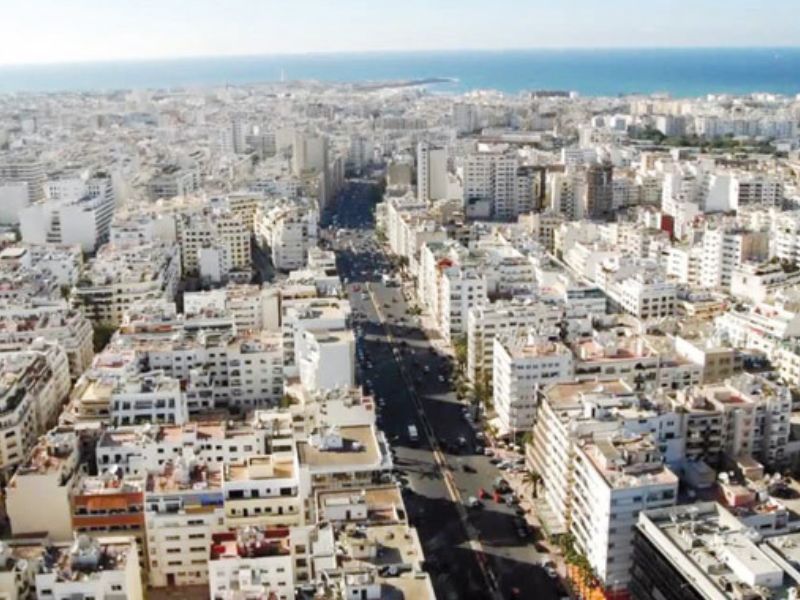
Casablanca, Rabat, Marrakech, and Tangier have emerged as economic hubs, but this rapid urbanization comes with alarming imbalances: chronic traffic jams, pollution, housing shortages, and pressure on public services.
Casablanca alone accounts fornearly 12% of the national population and generatesa quarter of the country's GDP..
But behind this economic success lies a more complex reality:a saturated city, where rents have reached record levels, while the outskirts expand without any proper planning.
Sociologist Abderrahim Benhima succinctly summarizes the situation:
"Our cities are growing faster than our institutions plan. Morocco builds buildings more quickly than it builds urban policies."
Housing: an increasingly inaccessible dream
The issue of housing remains at the heart of urban tensions.
The price per square meter in major cities has increased bynearly 25% in five years, according to the National Federation of Real Estate Developers (FNPI).
The average housing price in Casablanca now exceeds900,000 dirhams, an amount largely out of reach for young professionals.
The government has launched anew affordable housing program, targeting the middle class with subsidized apartments up to 300,000 dirhams.
However, recipients criticize these projects, often located far from economic centers, poorly served, and lacking basic facilities.
For many, the solution lies in areturn to balanced urban planning, with integrated regional hubs and affordable housing close to employment zones.
Pilot projects in Benguérir, Oujda, and Settat aim to create"sustainable medium-sized cities", designed to absorb demographic growth and reduce pressure on major cities.
Transport and mobility: another daily urban challenge
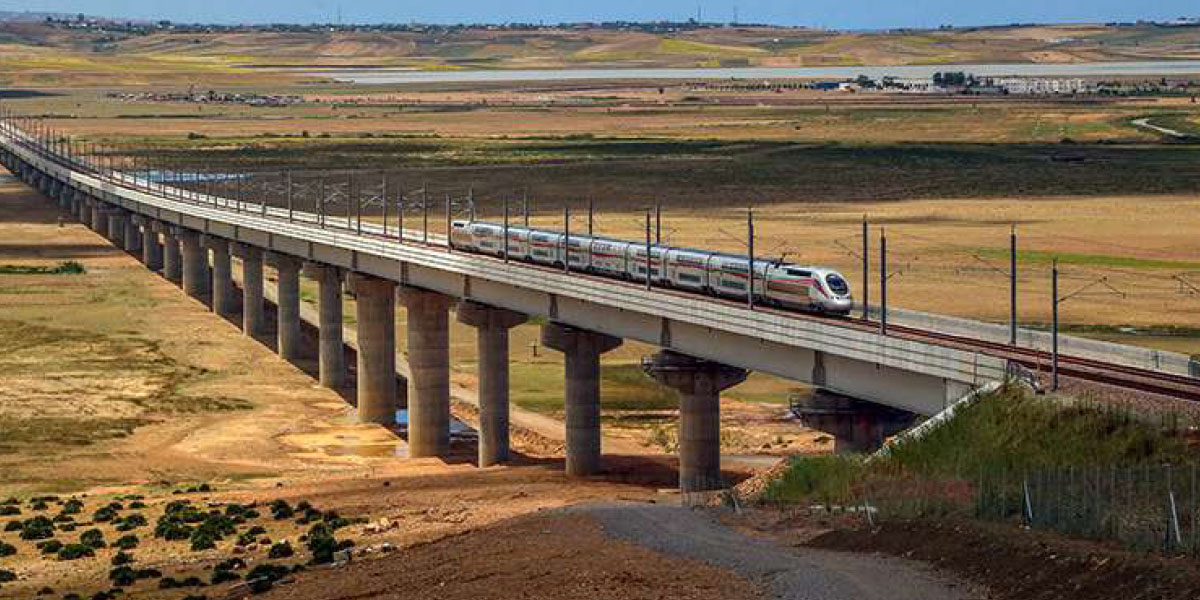
Morocco's major cities are experiencing aboom in vehicle ownership.Between 2015 and 2025, the national vehicle fleet grew from 3.5 to6 million vehicles, leading to a surge in traffic and pollution.
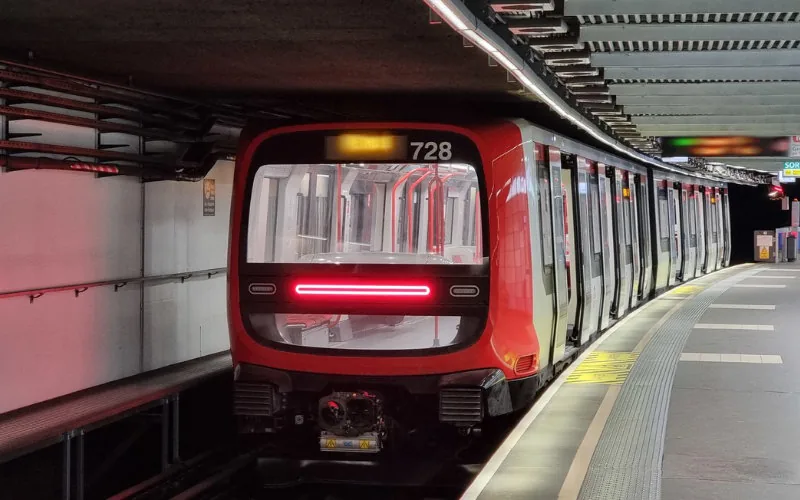
Casablanca is attempting to address this with itstram network, which carries over150,000 passengers daily, along with an expansion towards Mohammedia.
Rabat, Marrakech, and Tangier are following suit, focusing on electric transport and dedicated corridors for rapid buses (BHNS).
However, these projects still struggle to meet all needs: most Moroccans still rely oninformal transport (shared taxis, unregulated buses) with unpredictable schedules and unstable fares.
For urban planners, the key lies in thecoordination between housing and transport: developing a district can no longer happen without considering its connectivity, public spaces, and social diversity.
"Transport is the cement of urban cohesion. Without inclusive mobility, inequalities worsen," emphasizes researcher Hanane Rafi, a territorial planning specialist.
Youth and urban planning: a generation seeking livable cities
Nearly60% of Moroccans are under 35 years old.. This urban youth carries new expectations: connected homes, green spaces, cultural venues, and sustainable transport options.
But in most major cities, supply does not keep pace. The lack of parks, public libraries, and bike paths is creating growing frustration.
The urban development model, long centered on cars and land speculation, is now being challenged.
New policies advocate for acompact, green, and inclusive city, with pedestrian zones and energy-positive neighborhoods.
Local initiatives are emerging, such as the"Casablanca Smart City Project", aimed at equipping the metropolis with a digital traffic management and public lighting system.
However, urban transformation remains slow. The challenges of a young Morocco are not only economic — they are also urban, cultural, and environmental.
Towards a sustainable Moroccan urban model
Morocco has initiated several reforms to better manage urbanization: the revision of theUrban Planning Code, the creation ofregional planning agencies, and the integration of ecological criteria into construction projects.
But success will depend on the coordination among public actors, municipalities, and the private sector.
If the country can rethink its cities not just as spaces for accumulation, but asspaces for living and equity, it can turn urbanization into an opportunity rather than a burden.
In a young and mobile Morocco, the challenge is now clear:to build cities that breathe, housing that brings people together, and transport that connects..
Sources:
-
HCP — 2025 Report on Urbanization and Active Population
-
FNPI — Evolution of Housing Prices in Morocco (2025)
-
Medias24 — Housing and Mobility: Tension persists in Major Cities (October 2025)
-
Le360.ma — Casablanca, the city searching for its breath (September 2025)
-
CESE — Opinion on the National Land Planning Policy 2025-2030