Ceasefire in Gaza: a fragile respite in a long-standing conflict
1. The announcement and terms of the agreement
After weeks of talks in Sharm el-Sheikh, Israel and Hamas have agreed to a partial ceasefire marking the first step in a peace plan supported by the United States.
The agreement stipulates the release of certain Israeli hostages in exchange for Palestinian prisoners, a partial withdrawal of Israeli troops, as well as the resumption of humanitarian aid to Gaza.
The implementation of the ceasefire still depends on the validation of the Israeli government, which is expected to make a decision in the coming hours.
2. Reception and reactions
Among the population
Scenes of relief have been observed in both Gaza and Israel. After months of fighting, civilians are finally glimpsing a moment of respite.
Some families of Israeli hostages hope to reunite with their loved ones, while in Gaza, the truce brings hope for urgent humanitarian aid.
On the international stage
Several countries have welcomed the agreement and called for its immediate implementation.
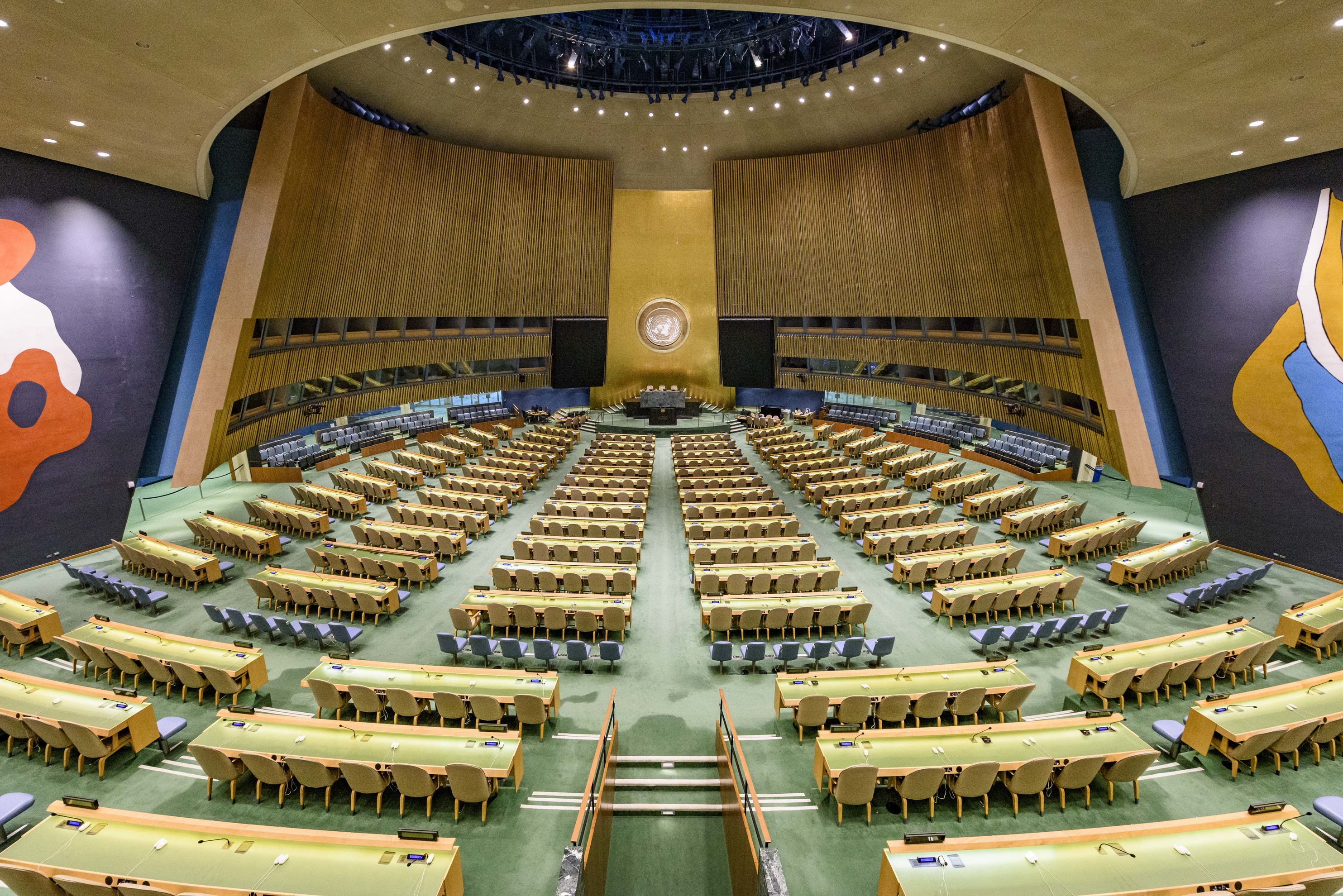
The UN Secretary-General emphasized the necessity of respecting the commitments made.
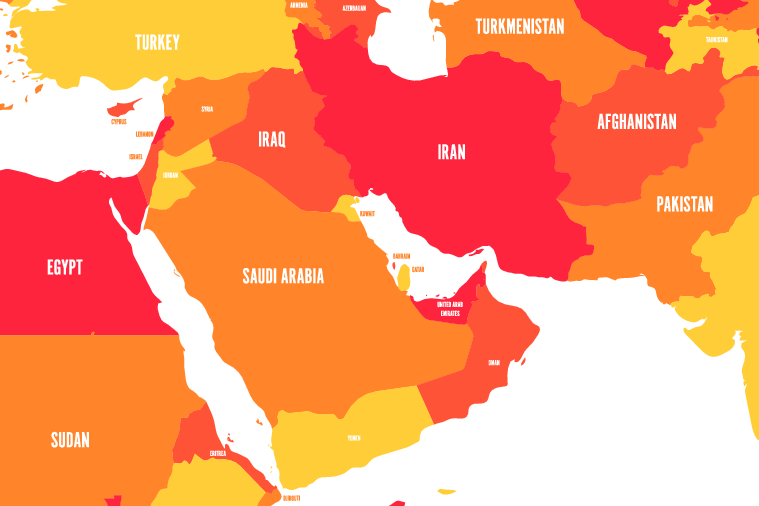
Hamas, for its part, stated that it would be attentive to the effective implementation of the text while urging the guarantors—United States, Qatar, and Egypt—to ensure its application.
3. Challenges and risks of breakdown
Despite cautious optimism, the agreement remains fragile.
Israeli airstrikes have been reported following the announcement, raising doubts about the stability of the ceasefire.
Some Israeli political leaders contest the truce, arguing that it weakens the country's strategic position.
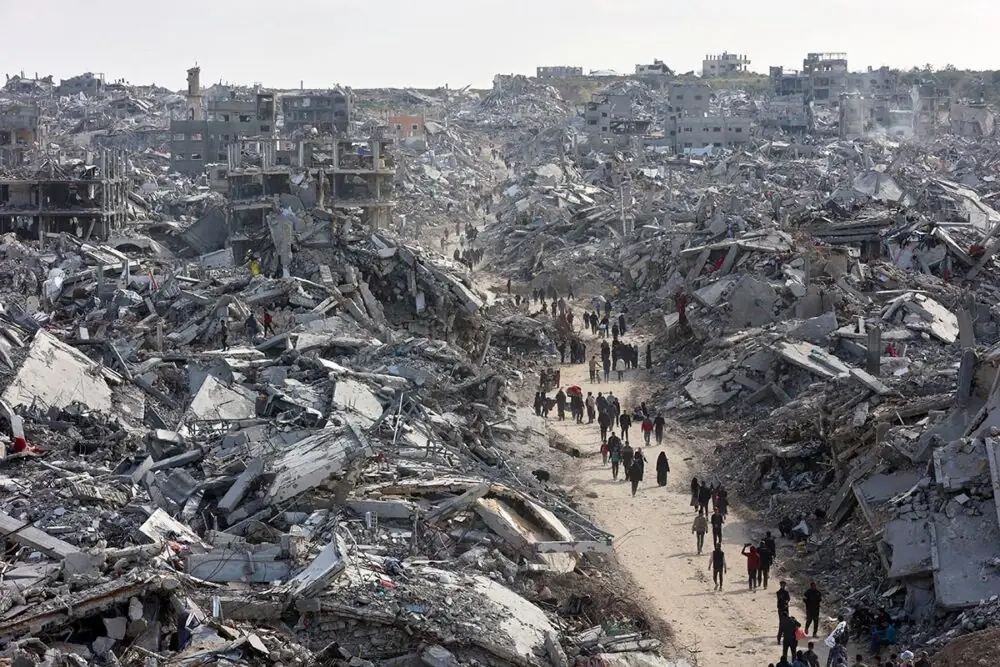
The next steps—total withdrawal, demilitarization, and reconstruction—could provoke new tensions, just as the distribution of humanitarian aid is subject to significant logistical and security constraints.
4. Short and medium term outlook
The coming days will be crucial.
The prompt release of hostages, the partial military withdrawal, and the delivery of humanitarian aid will determine the credibility of the agreement.
Regional mediators will need to maintain pressure to avoid any breakdown, while populations, exhausted by war, hope to see a path open toward lasting peace.
Sources: Reuters, Associated Press (AP News), The Guardian, Al Jazeera, TF1 Info, United Nations Statements