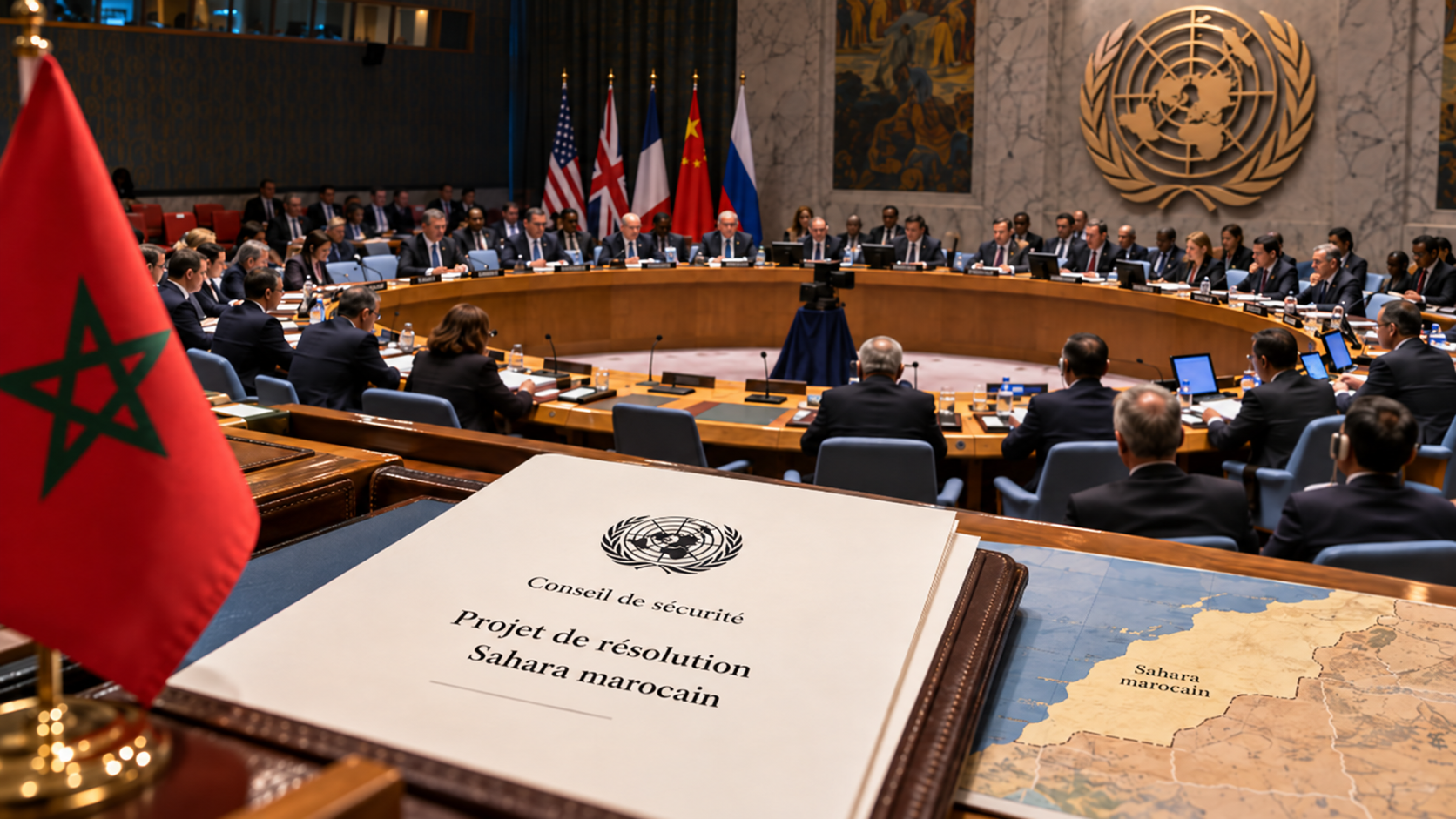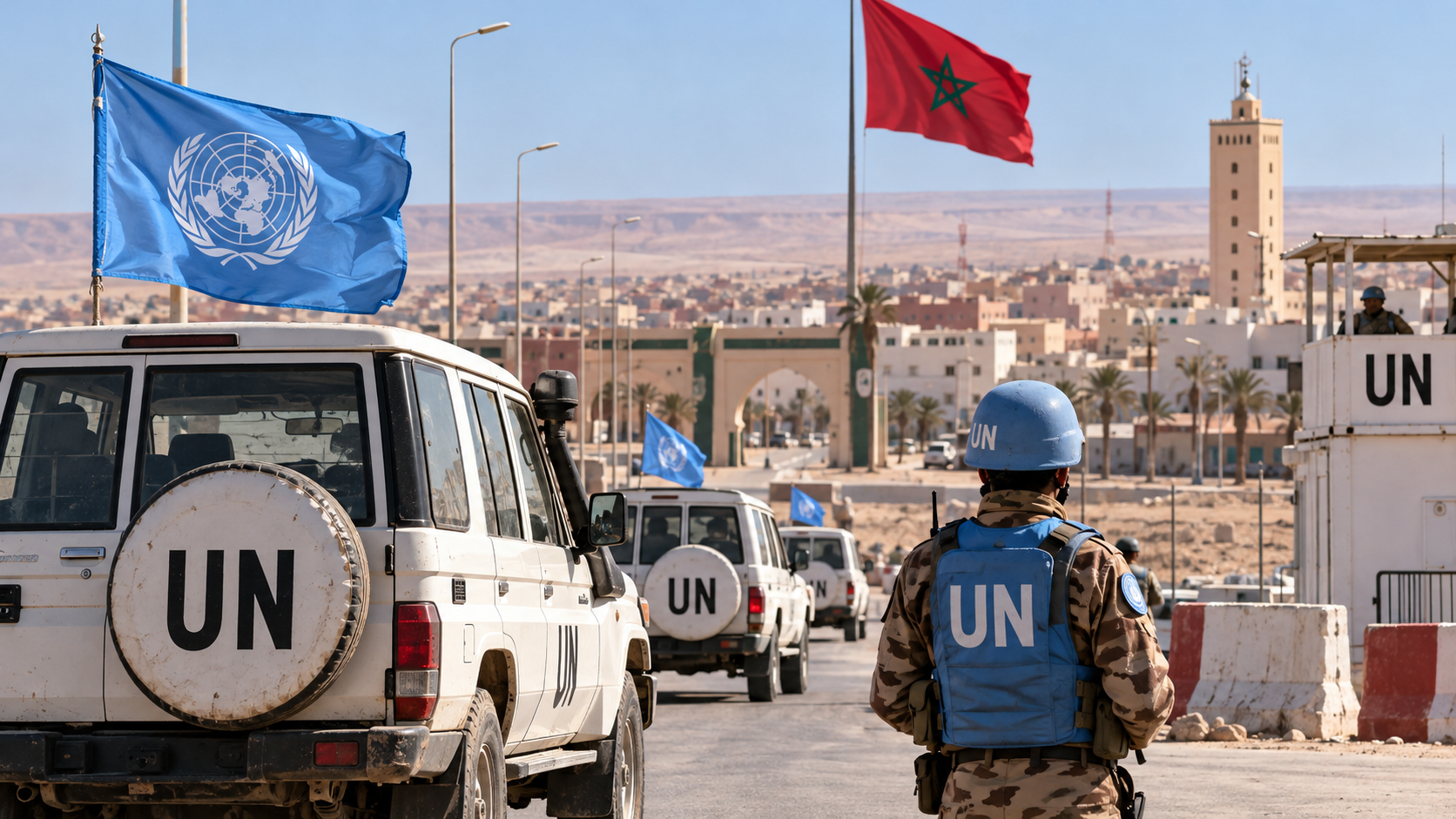
A new draft resolution is circulating within the United Nations Security Council concerning the issue of the Moroccan Sahara. This document, attributed to the United States, is part of the preparations for the annual vote on the renewal of the MINURSO mandate (United Nations Mission for the Organization of a Referendum in Western Sahara), expected before the end of October.
A supportive tone towards the Moroccan initiative
According to several diplomatic sources, the draft — often referred to as the 'draft US' — reiterates the position already expressed in previous resolutions while incorporating a major nuance: the explicit recognition of the Moroccan autonomy plan, labeled as a ‘realistic, serious, and credible solution’ to end the regional dispute.
This wording, already used in texts from 2021 to 2024, takes on an even more political dimension this year, in a context marked by increasing Washington involvement in regional dynamics in the Maghreb and Sahel.
Continuity of the political process under the UN's auspices
The draft also emphasizes the role of the Secretary-General's Personal Envoy, Staffan de Mistura, and stresses the need to revive the ‘round table’ process bringing together Morocco, Algeria, Mauritania, and the Polisario.
It recalls that the solution must be ‘mutually acceptable’ and based on compromise, while insisting on regional stability as a priority.
A confident Moroccan diplomacy
In Rabat, observers believe this text reflects a continuity of the growing international recognition of the autonomy plan. For Morocco, it serves as further confirmation that the international community views its initiative as the only pragmatic path to definitively resolve the dispute.
Mixed reactions in Algiers and Tindouf
On the other hand, from the Algerian side and the Tindouf camps, the draft resolution is seen as a new diplomatic setback. Media close to the Polisario condemn a 'alignment of the UN with the Moroccan position' and call for 'bringing the right to self-determination back to the table.'
However, according to several UN diplomats, the idea of a referendum has not been discussed in internal Council discussions for several years, with the process now focusing on seeking a political compromise.
Towards a vote expected by the end of October
The Security Council is set to vote on the final version of the resolution by the end of the month. As every year, the text will be crucial for the tone of upcoming discussions, but according to several analysts, the trend is now clear: the Moroccan autonomy plan is gradually becoming the central reference in addressing the issue within the UN.