"You don’t need to speak Arabic or French to feel this music — you just have to feel the heartbeat of Souss."
— Tayeb Idou, independent singer and producer from Agadir.
Amazigh music has never disappeared. But in 2025, it is experiencing a spectacular comeback — not on grand stages, but on TikTok, YouTube, and Spotify.
Tracks inspired by Izenzaren, Rouicha, or Najat Aatabou are circulating in electro, pop, or trap versions, amassing millions of views and reconciling an entire generation with its roots.
A renaissance driven by youth
It all started in the makeshift studios of Agadir, Ouarzazate, and Tiznit, where young beatmakers began to modernize the rhythms of ribab and bendir.
Artists like Tayeb Idou, Laila Igrane or Amine Soussi now mix lyrics in Tachelhit with electronic sounds inspired by Aya Nakamura or Stromae.
The result? An identity fusion: authentic and modern, local and universal.
The hashtag #AmazighVibes has become prevalent on X (Twitter), where concert snippets and remixes are shared as symbols of belonging.
Classics revisited for the youth
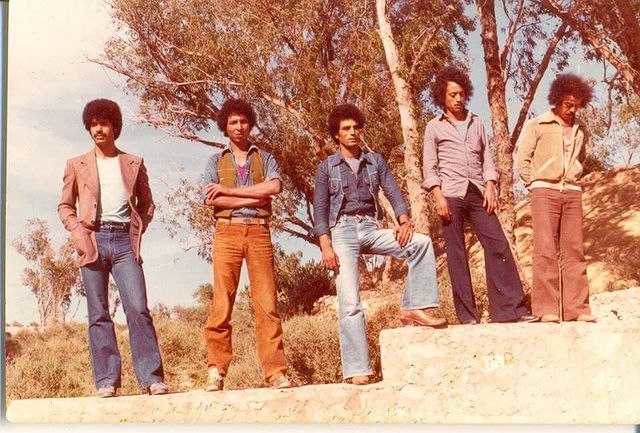
The young audience discovers — sometimes unknowingly — the masterpieces of Izenzaren, Lhaj Belaïd, or Idir.
On Spotify, some remixes exceed 500,000 streams within weeks.
A DJ from Agadir shares:
"When I drop a ribab riff in an electro set, the crowd goes wild. It’s a sonic pride."
This excitement exceeds mere nostalgia: it reflects a conscious cultural reappropriation, a way for the Amazigh youth to say: "We are here, modern, but proud of who we are."
Between recognition and frustration
Despite their success, these artists still struggle to gain presence in traditional media.
National radios often ignore them, preferring Francophone variety or chaâbi.
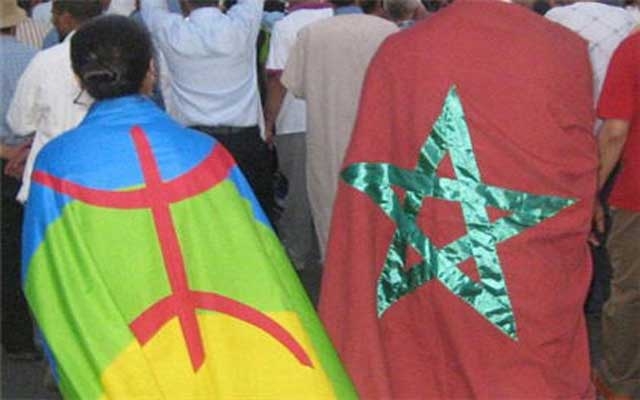
Some denounce a "cultural double standard", where Amazigh music remains confined to the southern regions.
To bypass this neglect, creators turn to independent platforms, alternative festivals and online broadcasts.
"Our scene is the internet. Our fans are Moroccans worldwide."
A pride that transcends borders
The Amazigh diaspora, particularly in France, Belgium, and the Netherlands, actively participates in this revival.
Music videos shot in Brussels or Montreal feature traditional motifs and instruments.
In the comments, young people write: "This is my parents' music, but remixed for us."
The legacy of Izenzaren, version 2.0
The legendary group Izenzaren, founded in the 1970s, symbolized Amazigh cultural resistance against marginalization.
Today, the 2.0 generation transforms this legacy into global creative power.
The message remains the same: preserve Amazigh identity, but with the language of the 21st century.