For several years, Morocco and the United States have built one of the most solid military partnerships in Africa. But 2025 marks a turning point. Washington now views Rabat as a regional pillar in the fight against extremism, in the strategic monitoring of the Maghreb and the Sahel, and as a reliable player in its long-term alliances.
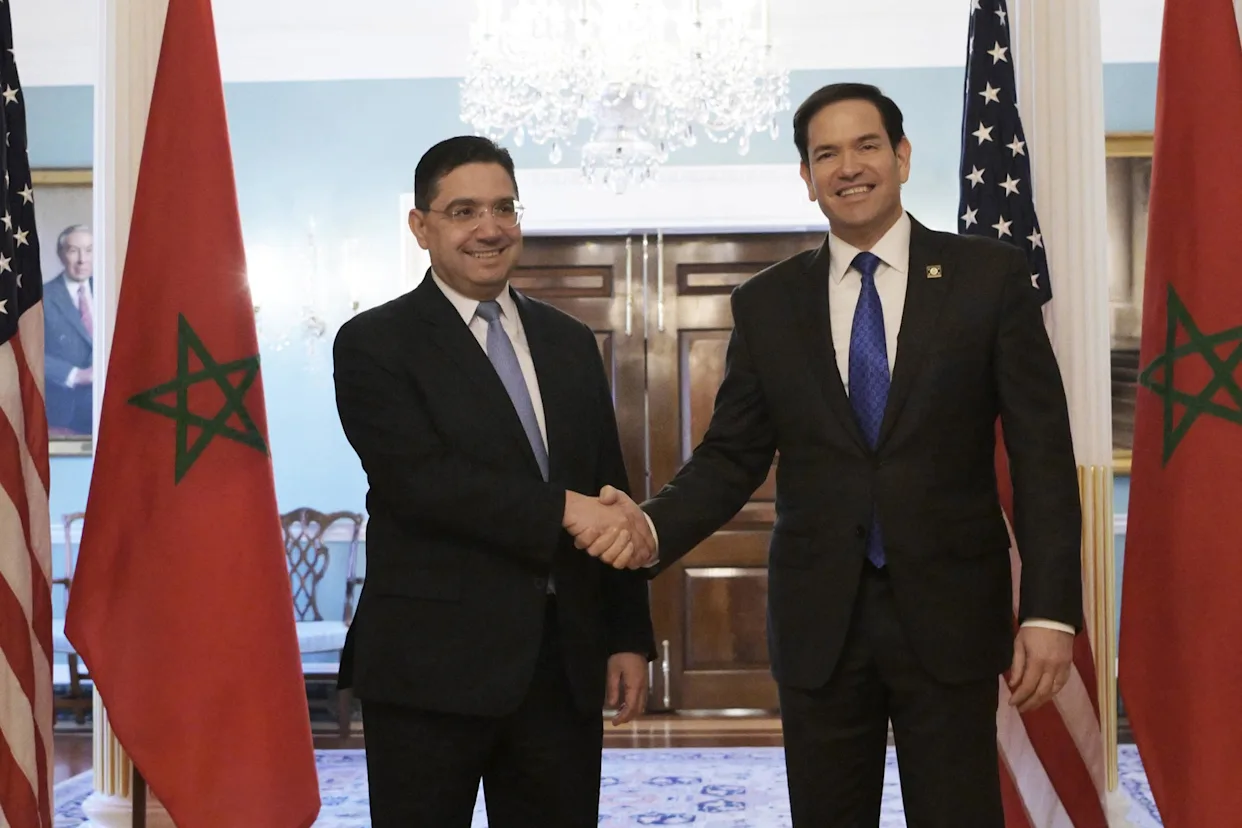
Recent exchanges between American and Moroccan officials have paved the way for accelerated modernization of the Kingdom's military capabilities. Training programs, acquisition of new weapons systems, and enhanced intelligence: the United States is clearly betting on Rabat as its main security partner in the Maghreb.
The African Lion exercise, now one of the largest in Africa, illustrates this new dynamic. Each year, its scale increases, bringing together more American, Moroccan, and international troops. Washington sees it as a central tool for stabilizing a region affected by security crises, from the Sahel to the Mediterranean.
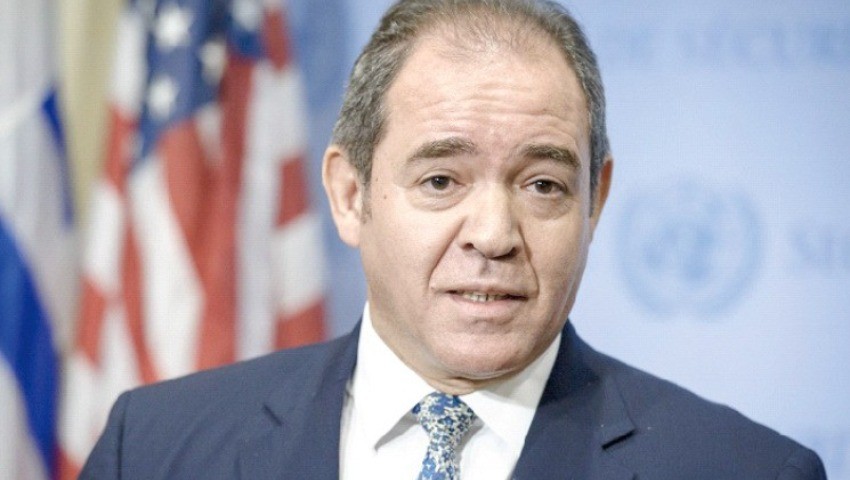
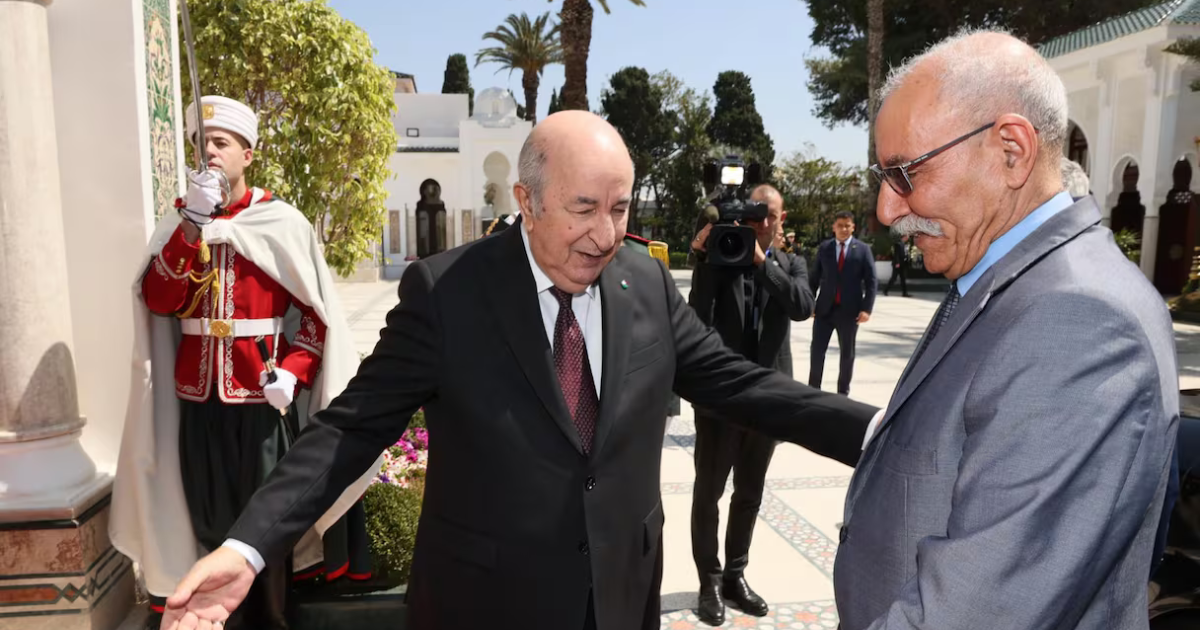
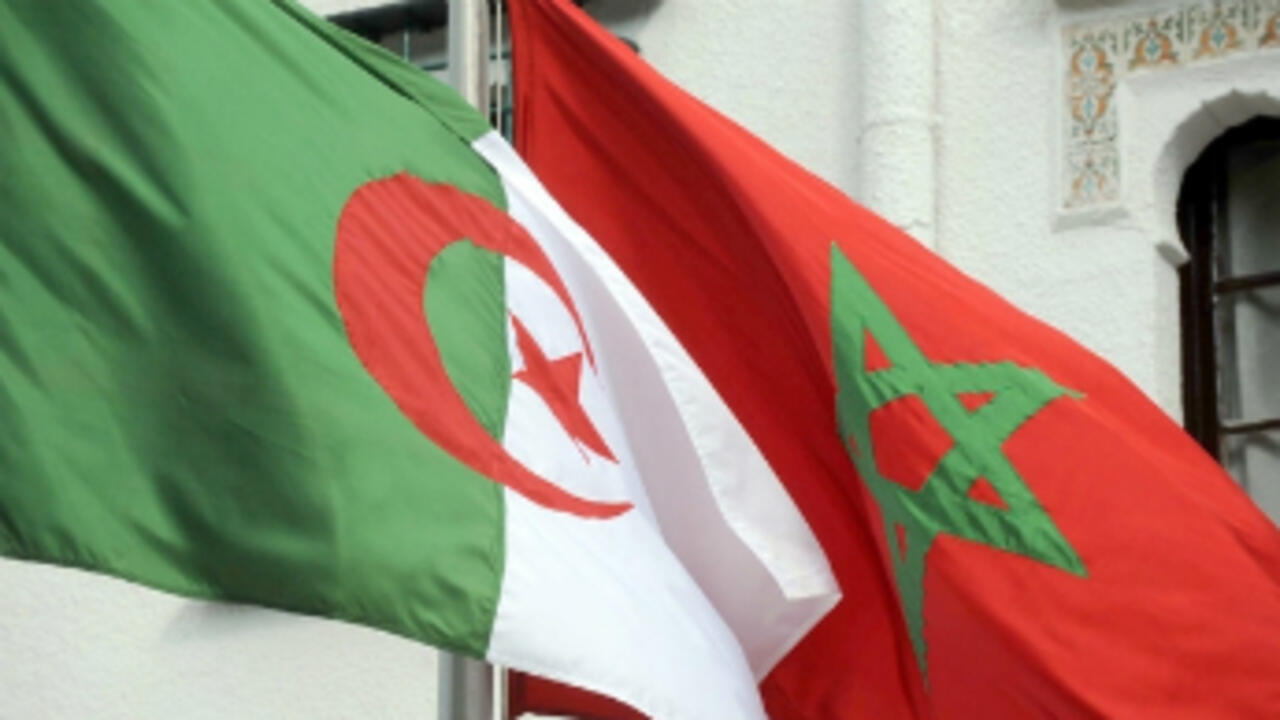
From Algiers' perspective, this growing power is alarming and fuels increasingly hostile rhetoric. Algerian media condemn a "strategic encirclement," while some political leaders speak of a rapidly accelerating military imbalance in favor of Morocco. This tension is also explained by the gradual erosion of Algeria's traditional alliances, particularly with Moscow, whose support capabilities are weakening due to the war in Ukraine.
For Washington, Morocco, in contrast, offers stability, reliability, and strategic alignment. The Kingdom is now a key platform for security cooperation, maritime surveillance, and information sharing in North Africa. This convergence is likely to endure, as it is based on structural interests rather than temporary circumstances.
Algiers' concerns, however loud they may be, do not seem capable of hindering this trajectory. On the contrary, the region is heading towards a scenario where Rabat emerges as the United States' preferred ally, strengthening its diplomatic and security weight at the continental level.