A palpable tension around the center of American power
The White House, the ultimate symbol of American executive power, has always been protected by some of the strictest security measures in the world. However, in recent days, Washington has been the site of a series of incidents that have caught the attention of federal agencies. Some are minor, while others are more worrisome, but their accumulation has created a climate of concern around the presidential residence.
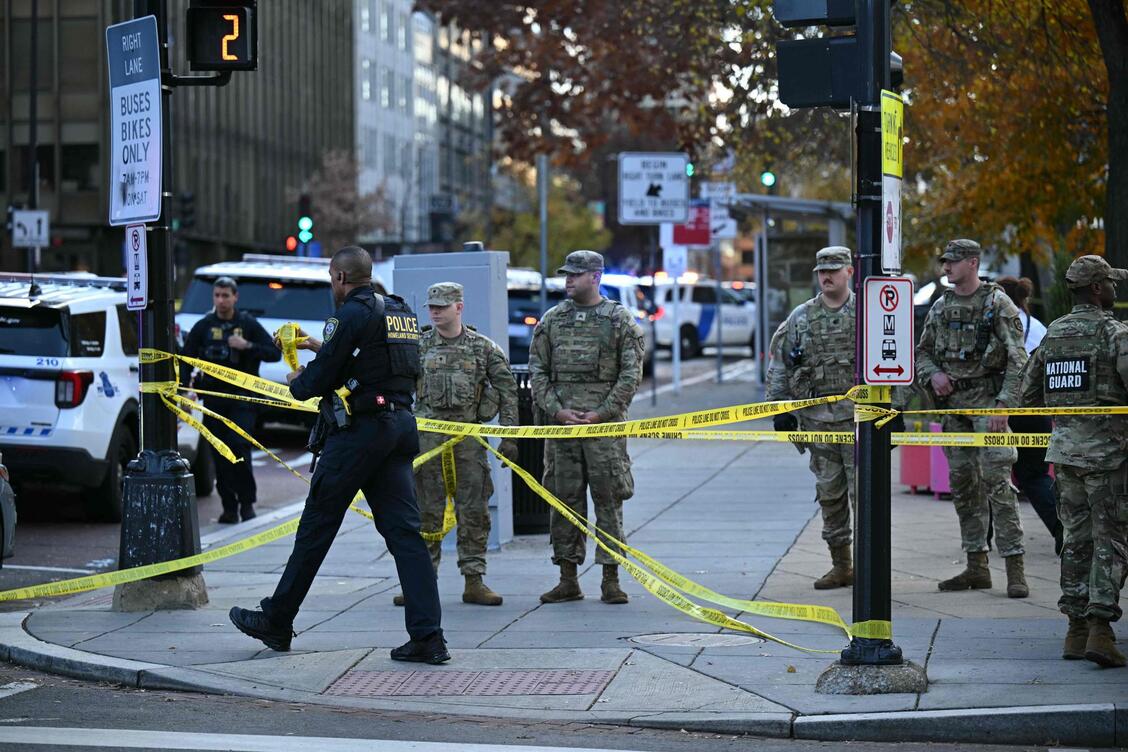
Authorities have been compelled to intervene on several occasions, whether to neutralize individuals attempting to approach the security barriers, to manage unexpected crowd movements, or to respond to alerts deemed serious enough to cause brief interruptions in traffic around the site. While each incident remains isolated, their frequency raises questions about the overall effectiveness of the surveillance system and the ability to anticipate potentially more serious threats.
A political context amplifying concerns
These events occur at a time when the American political landscape is deeply polarized. The country is approaching significant electoral deadlines, while social, economic, and identity tensions contribute to a general atmosphere of instability. Washington, more than any other city in the country, feels the effects of this ambient nervousness.
This polarization is notably manifested by a resurgence of sometimes spontaneous protests around federal institutions. Some are peaceful, while others are more tense, creating situations where security services must juggle between maintaining public order, respecting civil liberties, and preventing potential risks. The White House, at the heart of these dynamics, logically becomes a point of friction and extreme vigilance.
Questions regarding the true state of security measures
In light of the growing number of incidents, a recurring question arises: Are the existing measures truly suited to a context where threats can change in nature in just a few hours? American security services have significantly modernized their resources in recent years, integrating advanced surveillance technologies, behavior analysis, and automated detection.
However, even with sophisticated tools, the human factor remains central. Stress, fatigue, and constant pressure on the teams deployed around the White House can create margins for error. The accumulation of incidents, even minor ones, signals a tense area where a single flaw could be exploited by ill-intentioned individuals. It is this possibility—more than the incidents themselves—that genuinely concerns observers.
A capital under enhanced surveillance
In response to these events, federal authorities have increased police presence and multiplied patrols around sensitive areas in Washington. Access to Pennsylvania Avenue has been further filtered, and several traffic segments have been briefly restricted in recent hours. Federal forces are also working on adjusting protocols to better prioritize alerts and avoid saturation situations.
For residents, this atmosphere gives the feeling of a city in constant vigilance. The capital, accustomed to international events and the presence of thousands of officials, diplomats, and visitors, is adapting to this new pace marked by increased precautions and persistent uncertainties. Public perception, already affected by a tense political climate, absorbs each incident as further evidence of growing institutional fragility.
A weakened but still central symbol
The White House is not just a building; it embodies an institution, a system, and a stability that the United States seeks to project to the world. Each incident on its doorstep raises concerns beyond just the security of a location. It brings into question the country's ability to maintain order at the very heart of its power, at a time when its international leadership is regularly challenged.
These events, even when they don't have serious consequences, fit into a sequence where the image of stability, control, and invulnerability is being tested. Washington remains a global nerve center, but recent episodes remind us that even the most protected institutions can face unprecedented tensions.
Towards a sustainable adaptation of security strategies
In the coming months, security around the White House is expected to undergo significant changes. Official services are already considering new approaches, blending enhanced technologies, behavioral intelligence, and increased cooperation between federal agencies. The issue goes beyond merely managing public order; it is about preserving a political symbol in an environment where threats are becoming increasingly unpredictable.
For the American administration, these incidents serve as a warning signal. The ability to anticipate, adapt, and reassure the public will be crucial. The challenge now is not only to protect a location but to maintain trust in one of the world’s most scrutinized institutions.