The indispensable shadow of daily life
Behind the noise of honking horns and bustling cafes, another city stirs — the one of informal workers.
Their presence is constant, but their acknowledgment is nearly nonexistent.
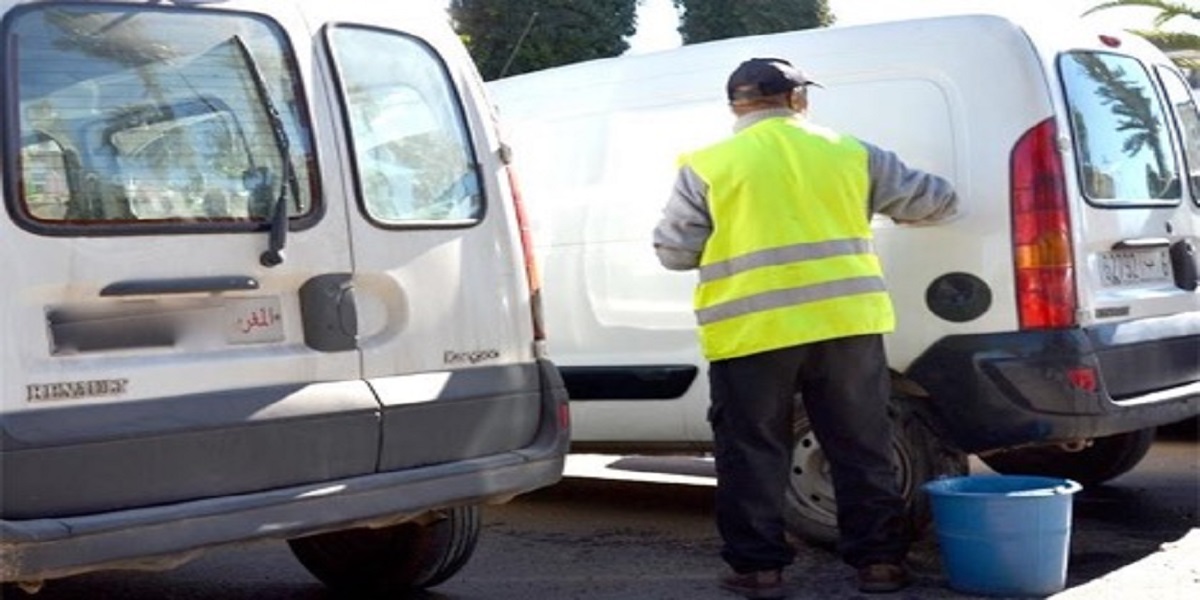
They polish shoes, guard cars, clean sidewalks, sell peanuts, carry groceries from the market, or repair items that no one thought could be salvaged.
They are the ones who, every morning, prepare the city before we pass through.
Yet, their faces get lost in the crowd, their voices drowned out by the noise.
Heritage of a parallel economy
These small jobs often represent social and familial legacies.
The young shoeshiner may have taken over his father's box.
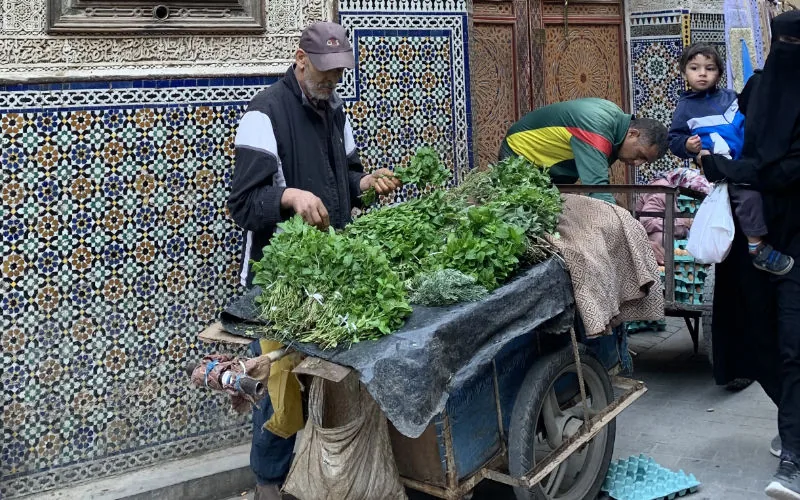
The street vendor has turned a cart into a shop.
The car guard knows every resident of the neighborhood, sometimes for 20 years.
In an economy where formal employment does not absorb all the labor, these jobs become economic refuges.
They do not guarantee stability, but they ensure dignity: the ability to earn a living without begging.
Accepted precarity, but not chosen
The conditions are harsh: no health coverage, no retirement, no security.
A day without customers is a day without income.
Some earn barely enough to cover transport or dinner.
Yet, they return, loyal to their posts, because doing nothing would be worse.
This reality raises questions: how to reconcile the dignity of work with the precariousness of status?
Local associations have been advocating for years for micro social coverage and for regulated selling zones, but measures are slow to be implemented widely.
These jobs that tell the story of Morocco
Each small job reveals a part of Morocco:
These roles are not just about survival; they reflect a popular intelligence, an adaptation to hardship, an art of being usefulagainst all odds.
A changing perspective, little by little
Long overlooked, these workers are starting to find their place in public discourse.
Photographers, documentarians, and even startups are taking an interest.
Some urban projects aim to integrate them into the formal fabric: clean zones, facilities, training.
For recognizing these jobs, also means acknowledging a truth: the Moroccan city is not just defined by glass towers or shopping malls.
It thrives on these thousands of simple, daily gestures, invisible yet essential.
Conclusion
These small jobs do not appear in any economic report, but without them, the city would struggle.
They are living proof that in Morocco, work is not just a job: it is also a means of standing tall, of building community, of continuing to exist.