An economy that confirms its resilience despite challenges
Recent economic analyses converge on a clear observation: Morocco is on a solid trajectory. The International Monetary Fund anticipates growth of around 4.4% by 2026, driven by public investments and a recovery in the agricultural sector.
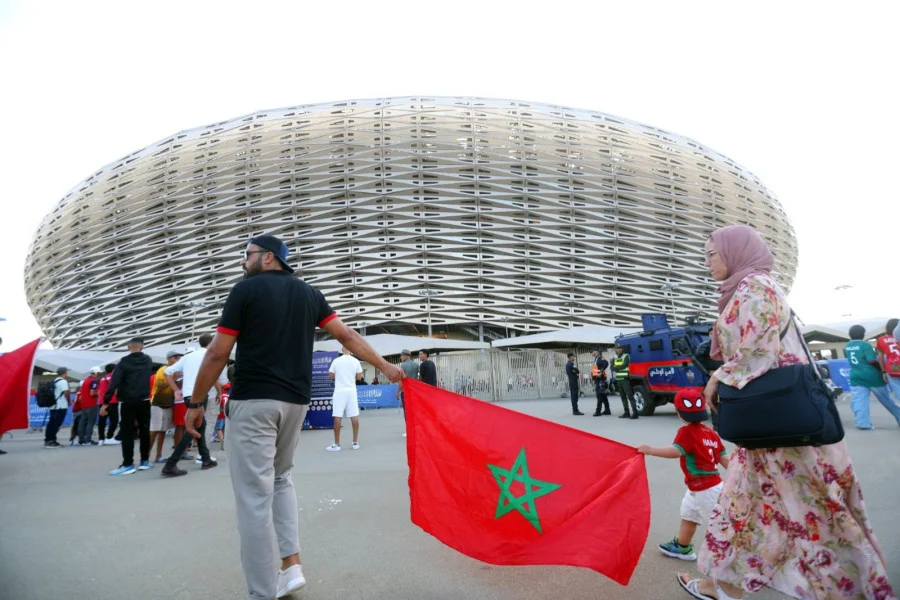
This momentum fits within a broader economic transformation strategy, where infrastructure plays a central role. Major projects, particularly those linked to the 2030 World Cup, contribute to accelerating investments and modernizing the country.
However, this rise comes with budgetary tensions. The increase in public spending, especially on infrastructure, puts pressure on the state finances, which fuels debates about medium-term sustainability.
Nevertheless, Morocco continues to benefit from an image of economic stability in an uncertain international context, enhancing its attractiveness to investors.
A Security Model Gaining International Recognition
In terms of security, Morocco is solidifying its position as a regional benchmark. The Global Terrorism Index 2026 ranks the Kingdom among the countries least exposed to terrorism, with a zero score, placing it in the category of the safest states in the world.
This result is not trivial. It reflects a proactive security strategy, combining intelligence, international cooperation, and prevention. In a region marked by instability, this performance strengthens Morocco’s role as a stability hub in North Africa.
Technological Ambitions: Morocco at a Crossroads
Current events also highlight the Kingdom’s technological ambitions, particularly in the space sector. The Moroccan satellite program is entering a crucial phase, as current satellites near the end of their life cycle.
The debate now focuses on the strategic direction to adopt. Should Morocco continue with a classic model or shift towards NewSpace, which is more agile and competitive? This question transcends mere technological frameworks and directly relates to national sovereignty.
At the same time, Morocco is continuing to position itself in future energy sectors, particularly in green hydrogen, aiming to become a key player in the global energy transition.
Society and Religion: Between Tradition and Modernity
Recent news surrounding Eid al-Fitr perfectly illustrates Morocco's uniqueness in managing religious issues. Despite unfavorable astronomical predictions, the sighting of the crescent moon was confirmed, validating the decision of religious authorities.
This episode showcases the particular balance between science and tradition in Morocco, where the religious approach remains deeply rooted while relying on modern data.
Sports: CAN 2025 Continues to Stir Tensions
It is impossible to discuss Moroccan news without mentioning the saga surrounding CAN 2025. The CAF's decision to award the title to Morocco has profoundly impacted public opinion and continues to generate reactions, especially following Senegal's appeal to the Court of Arbitration for Sport.
On social media, this issue transcends the sporting realm. It has become a symbol of justice for some Moroccan supporters, who believe that official reports have finally restored a long-contested truth.
This emotional and media dimension illustrates how football remains a powerful lever of identity and mobilization in Morocco.
A Morocco Undergoing Strategic Transformation
What emerges from this press review is the image of a country undergoing rapid transformation. Morocco is progressing on multiple fronts simultaneously, consolidating its achievements while preparing for the future.
The economy shows signs of strength, security enhances the nation's credibility internationally, and technological ambitions reflect a clear desire for advancement.
In this context, occasional tensions, whether sports-related or economic, appear more as symptoms of a country in motion rather than signs of fragility.